

Water is one of the most essential resources for human life. Unfortunately, due to rapid urbanization, climate change, and population growth, the amount of clean, drinkable water on our planet continues to decrease. Yet, humanity cannot survive without it — which is why cities are constantly developing new facilities and technologies to purify water. Today, we’ll take a closer look at how water purification works in the city of Dallas. Learn more on i-dallas.com.
Water Treatment Facilities in Dallas
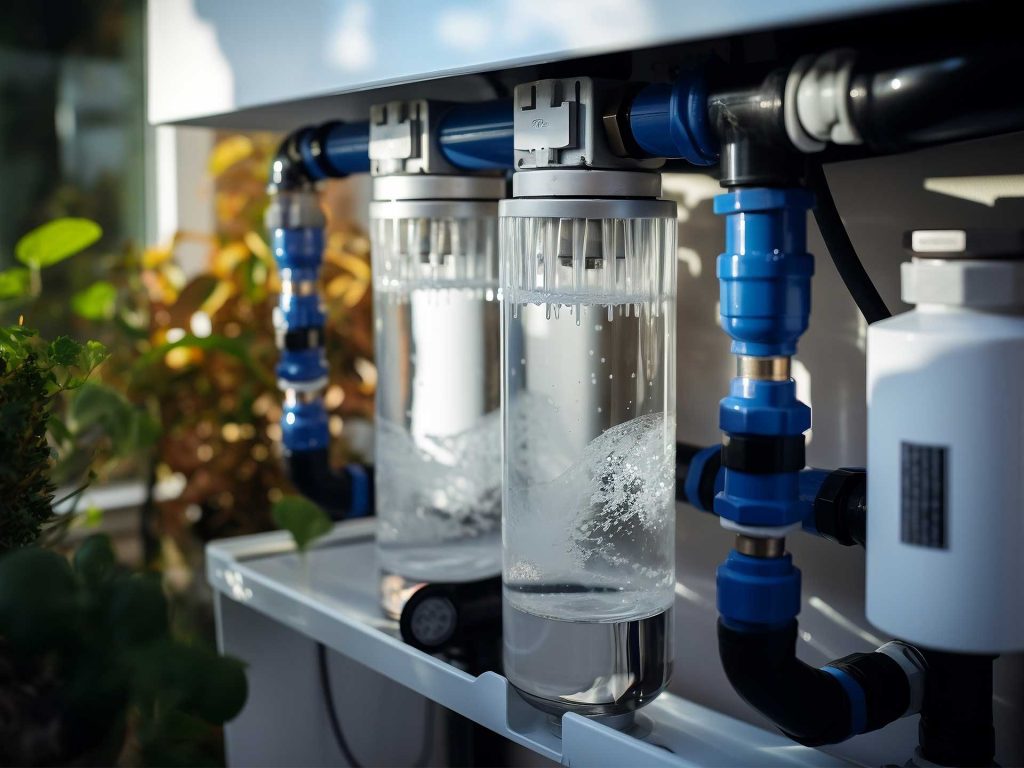
Dallas operates three main water treatment plants — Eastside WTP, Bachman WTP, and Elm Fork WTP — which together purify more than 900 million gallons of water per day, or about 3.4 billion liters. A key focus of the city’s efforts is removing harmful contaminants, particularly PFAS, a group of highly persistent and toxic chemical compounds.
The purification process involves reverse osmosis, ultrafiltration, aeration, and complex iron removal and softening systems. In addition, Dallas employs reagent-free purification methods for artesian water, helping reduce the use of chemical agents.
The city also maintains strict oversight of both industrial and residential wastewater, modernizes its sewage infrastructure, and uses biological treatment technologies. Between 2020 and 2025, investments in Dallas’s water infrastructure exceeded hundreds of millions of dollars, ensuring a stable supply of clean, safe water for all residents.
Water Quality in Dallas
According to the Texas Commission on Environmental Quality (TCEQ), Dallas’s drinking water has maintained a “Superior” rating from 2023 through 2025. The city’s Dallas Water Utilities (DWU) confirms that the water meets or exceeds all federal and local safety standards.
The primary threats to drinking water — fluoride, nitrates, and heavy metals — are closely monitored and remain well below the Maximum Contaminant Levels (MCLs) allowed by law. For example, the average fluoride concentration is 0.629 ppm, within the safe range of up to 4 ppm.
Dallas has also intensified monitoring and improved purification systems to prevent the presence of PFAS chemicals. As a result, the city has significantly reduced water loss by replacing old pipelines. In 2024, Dallas’s Infrastructure Leak Index (ILI) was recorded at 5.07, which corresponds to the “Superior Reliability” category under standards set by the American Water Works Association.
Water and Public Health
As you can see, Dallas provides its residents with clean, safe drinking water. However, poor water quality can have serious health consequences. Consuming contaminated or insufficiently treated water can lead to a variety of illnesses:
- Infectious diseases. Poorly purified water can cause hepatitis A, rotavirus infection, typhoid fever, and dysentery.
- Chemical toxicity. Pesticides, heavy metals, and PFAS compounds found in contaminated water can damage the liver, kidneys, and nervous system.
- Chronic conditions. Poor-quality water may contribute to digestive disorders, kidney stones, and electrolyte imbalances.
- Cardiovascular issues. Hard water or mineral deficiencies may lead to anemia, chronic gastritis, and nephritis.
For these reasons, maintaining high water quality and ensuring proper purification remain critical responsibilities for Dallas city authorities — because the health of the population depends on it.
We hope you found this article informative and learned more about how our city safeguards one of its most vital resources.