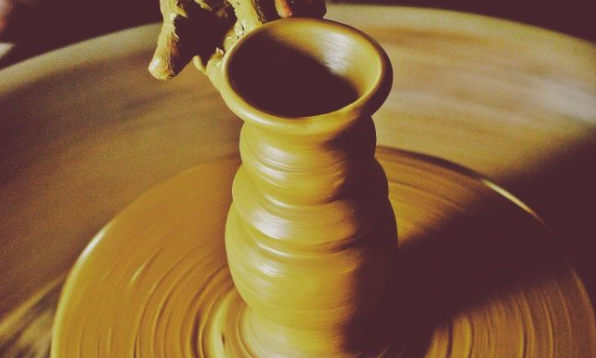

The history of pottery in Texas has been a long and winding road, but the dawn of the 20th century brought the industry to a critical crossroads. After 1915, demand for traditional stoneware began to plummet, forcing workshops across the state to shutter. However, Dallas emerged as the exception, proving to be the city where the craft refused to die. Even after 1920, local enterprises managed to stay afloat and keep the kilns burning. Read more at i-dallas.
Resilience and Success: How Dallas Potteries Survived the Past
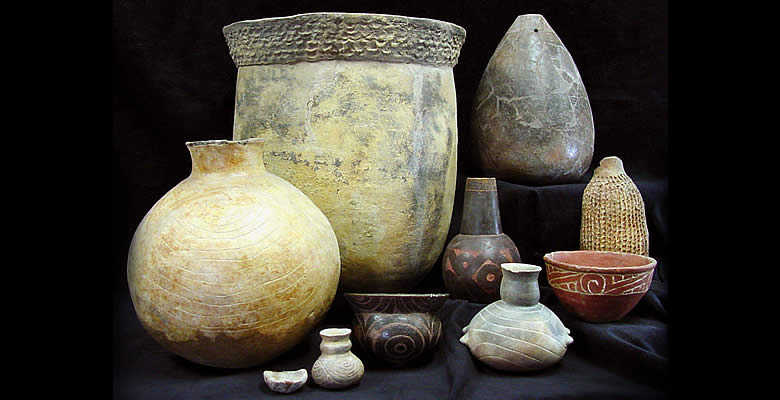
The broader history of Texas pottery illustrates how industrial progress gradually displaced manual labor, yet Dallas bucked the trend. At one point, the state boasted over sixty potteries supplying farmers and city dwellers with essential wares. By 1915, most had succumbed to competition. During this volatile period, as stoneware demand cratered across the South, Dallas remained an industrial stronghold. Names like Athens, Ideal, Southern, and Love Field are permanently etched into the city’s industrial chronicles; these companies remained active well past 1920, long after other workshops had become mere historical footnotes.
The success of these businesses hinged on two factors: access to natural resources and the ability to pivot to new technical standards. Most Texas production sites were strategically located near massive clay deposits, such as the Woodbine Formation, which significantly slashed overhead costs. While 19th-century potters favored salt glazes, Dallas manufacturers shifted to Bristol glaze after 1920. This transition provided a more modern aesthetic and superior durability—factors that were vital for business survival in a shifting market.
Local artisans produced a wide array of household essentials, ranging from butter churns and jugs to large ceramic crocks. Each piece was hand-thrown on a potter’s wheel and fired in massive wood-burning kilns. These structures varied from classic vertical “beehive” designs to long, horizontal “groundhog” kilns. This unwavering commitment to the craft, blended with high quality standards, allowed Dallas to remain the state’s premier ceramic hub for decades.
The Dallas Ceramic Company Phenomenon

When discussing the evolution of the local ceramic industry, the story that began in 1947 is impossible to ignore. While traditional workshops struggled to adapt, Robert Brittingham set out to build an enterprise that would redefine the industry’s scale. His venture, originally named the Dallas Ceramic Company, started in a humble metal Quonset hut. It was within these temporary walls that the foundations were laid for a global empire that would eventually stretch far beyond the Texas border.
Over the following decades, the company experienced meteoric growth, proving that Dallas was the perfect incubator for industrial expansion. In 1980, the firm officially rebranded as Dal-Tile Corporation to reflect its specialization in wall and floor tiles. Through constant innovation and aggressive networking, the Texas brand became the largest tile manufacturer in the United States. This marked a major evolution: Dallas transitioned from producing utilitarian stoneware to becoming a global leader in high-tech materials for construction and design.
Modern Artisanal Ceramics in Dallas
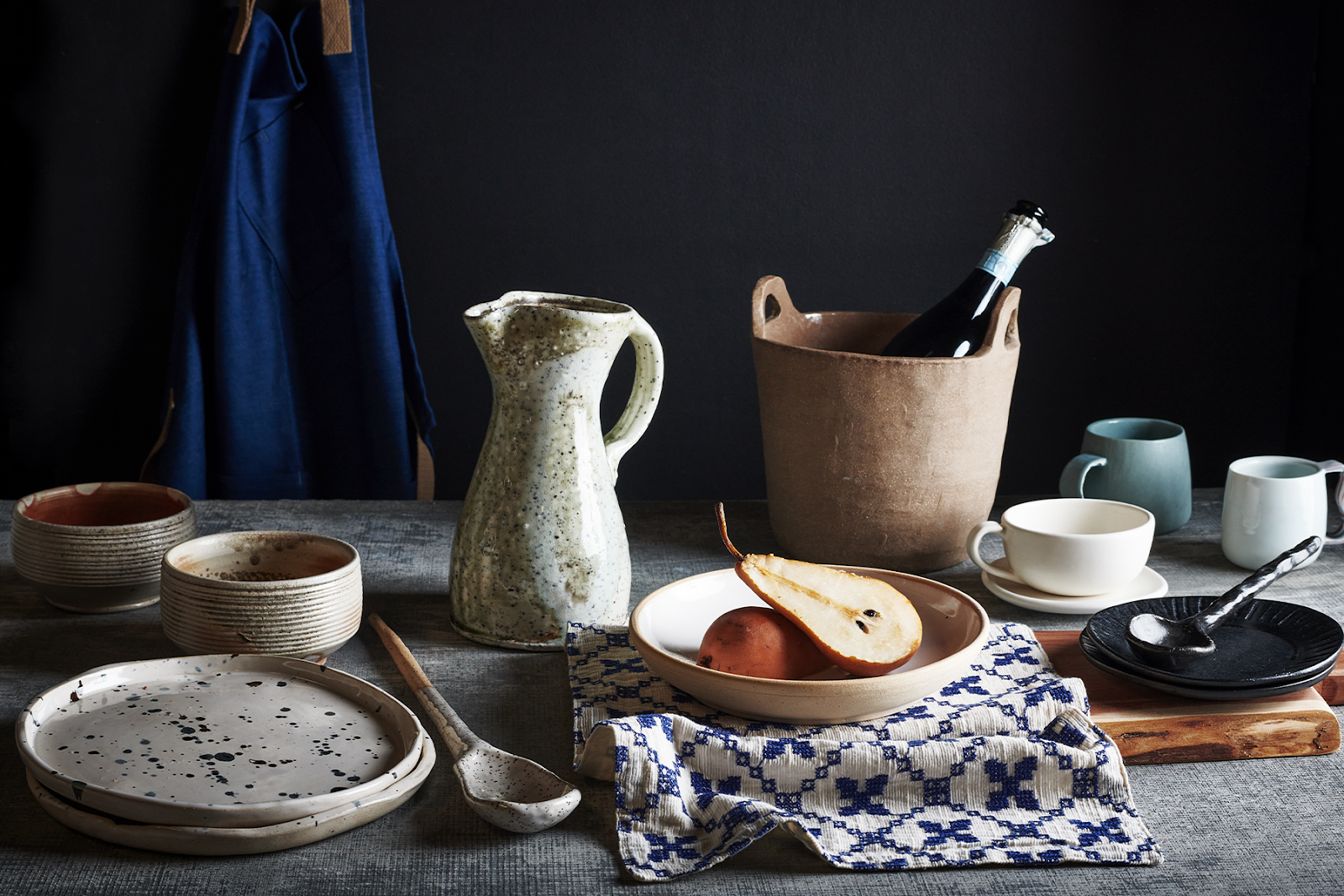
Today, Dallas serves as the primary technical and logistical nerve center for Texas potters. A cornerstone of the local scene is Trinity Ceramic Supply, a major manufacturer and distributor that develops its own proprietary clay bodies and glazes. Professional artists and studios from across the region rely on this facility, cementing Dallas’s role as the supply heart of the state’s ceramic industry.
The city’s educational and production landscape is bolstered by the Craft Guild of Dallas, which has been active since 1948. More than just a school, it serves as a professional-grade workshop where makers have access to high-fire kilns. Furthermore, the city hosts the annual Dallas Pottery Invitational—a premier U.S. event showcasing functional dinnerware and contemporary firing techniques.
The local craft movement is currently thriving in boutique studios within districts like Oak Cliff. At spots like Trade Oak Cliff, potters create limited-edition collections—from bowls to plates—that find their way into local restaurants and private collections. Modern Dallas has successfully closed the loop: from raw material development at Trinity Ceramic to the sale of high-end designer products. In doing so, Dallas pottery has transformed from a mass-market industrial staple into a sophisticated, high-tech craft sector.
Sources: