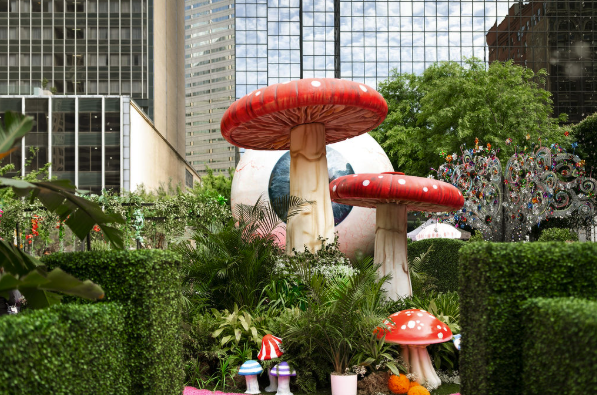

Unlike many major cities around the world that have a single, fixed date for festivities, Dallas offers its residents a complex and fascinating timeline of its own making. This city, which grew from a single cabin on the banks of the Trinity River, isn’t used to limiting itself to just one day. Today, historians, journalists, and locals identify three key starting points, each of which radically shifted the trajectory of this ambitious Texan hub. Exploring these dates helps explain how a small settlement on the prairies transformed into the financial heart of the United States. Read more at i-dallas.
From Pioneer Cabin to Official Status
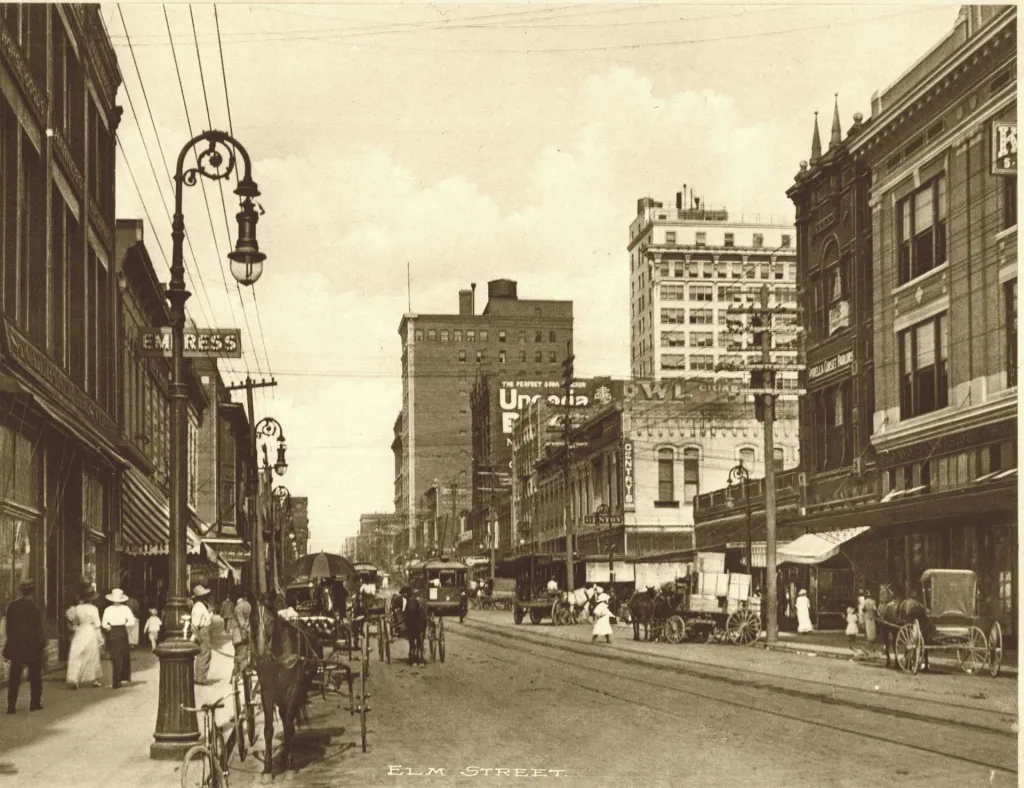
The first and most significant chapter of history was written in November 1841. That was when John Neely Bryan—a lawyer, trader, and dreamer—chose a strategic spot on the banks of the Trinity River to establish a permanent trading post. Initially, it was just a solitary wooden cabin, but Bryan’s ambitions were far grander. He aimed to create a hub for settlers, and in 2026, Dallas is gearing up to celebrate a major milestone: the 185th anniversary of laying that very first stone. This date symbolizes the spirit of the pioneers who were unafraid of the harsh climate and the unknown.
However, the city’s legal life as an administrative unit began much later. A crucial milestone for municipal self-governance is February 2, 1856. On this day, the Texas Legislature officially granted Dallas a town charter, allowing residents to elect their own officials and collect taxes for infrastructure development. The next stage of formal establishment occurred in 1871 when Dallas finally secured its status as a major city (city charter). This happened against the backdrop of a railroad boom that forever changed the region’s economic landscape, turning an agricultural settlement into an industrial powerhouse.
The Scale of Celebration: The Fair as a Cultural Cornerstone
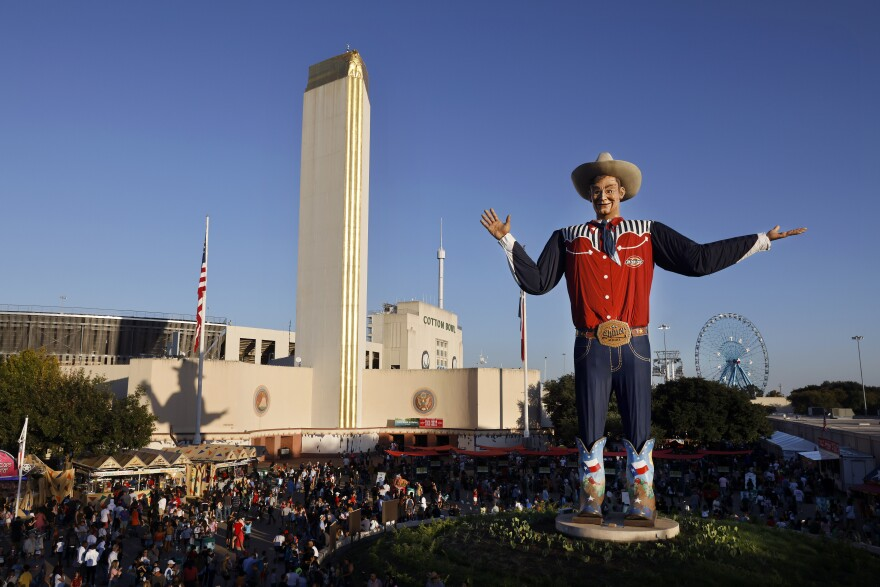
Since there are several official dates, Dallas has developed a unique tradition: celebrating not with formal gatherings in offices, but with grand events on the streets. The role of the main “People’s City Day” is effectively played by the State Fair of Texas. This massive event traditionally kicks off on the last Friday of September and runs for 24 consecutive days at the famous Fair Park. It’s not just entertainment; it is the true pinnacle of city and state pride. Under the watchful eye of the 52-foot mechanized statue, “Big Tex,” greeting visitors with a booming “Howdy!”, residents feel a genuine sense of unity. The fair program includes:
- exhibitions of innovative technology and agricultural achievements;
- famous college football showdowns at the Cotton Bowl stadium;
- gastronomic competitions where culinary legends, like corn dogs, are born.
A Cultural Spring and Geographic Curiosities
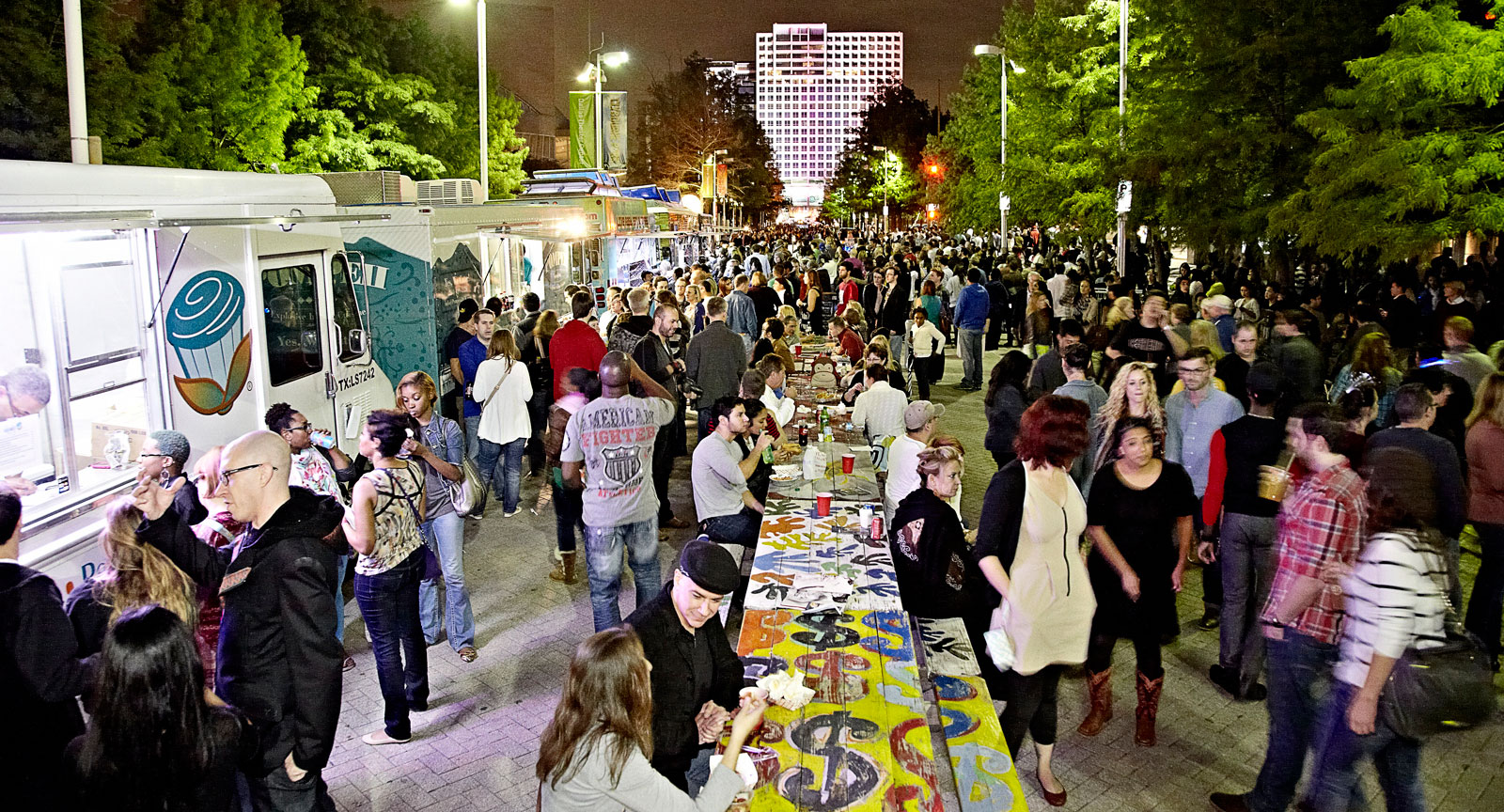
Beyond the autumn fair, Dallas pays special attention to its modern identity by dedicating an entire month to it: Dallas Arts Month. Throughout April, the city transforms into one giant exhibition hall. In the historic Arts District—the largest of its kind in the U.S.—hundreds of free events take place. Through music, painting, and contemporary performance, the city honors the creative energy of its residents, serving as a modern reinterpretation of “City Day” for the creative class.
An interesting fact is that there is another Dallas in the world, located in the state of Oregon. Despite sharing a name, the traditions there are quite different. The small Dallas, Oregon, has its own fixed holiday—“Dallas Days”—which takes place annually in late July. This intimate celebration, featuring parades and family picnics, highlights the coziness of a small community, standing in stark contrast to the grand scale of Texas.