
The development of culture is closely tied to the growth of any city. Dallas is no exception — its cultural life evolved gradually, step by step, transforming a small trading town into a major center of the United States. Our city is now famous for its museums, diverse cultural venues, exciting festivals, concerts, and shows. Let’s talk more about that. Read the details on i-dallas.com.
How It All Began
Dallas began its cultural development in the 1850s, when artisans and art scholars from European colonies started arriving. As a result, the city slowly filled with cultural traditions and workshops. By the way, by 1860, Dallas had a population of only 678 people. Yet, even with such a small population, there were already churches of different denominations — Methodist, Presbyterian, and Baptist.
Year by year, Dallas continued to grow culturally. Visiting craftsmen and artisans contributed to the city’s artistic development and laid the foundation for its future growth.
Dallas Museum of Art — A Key Cultural Institution
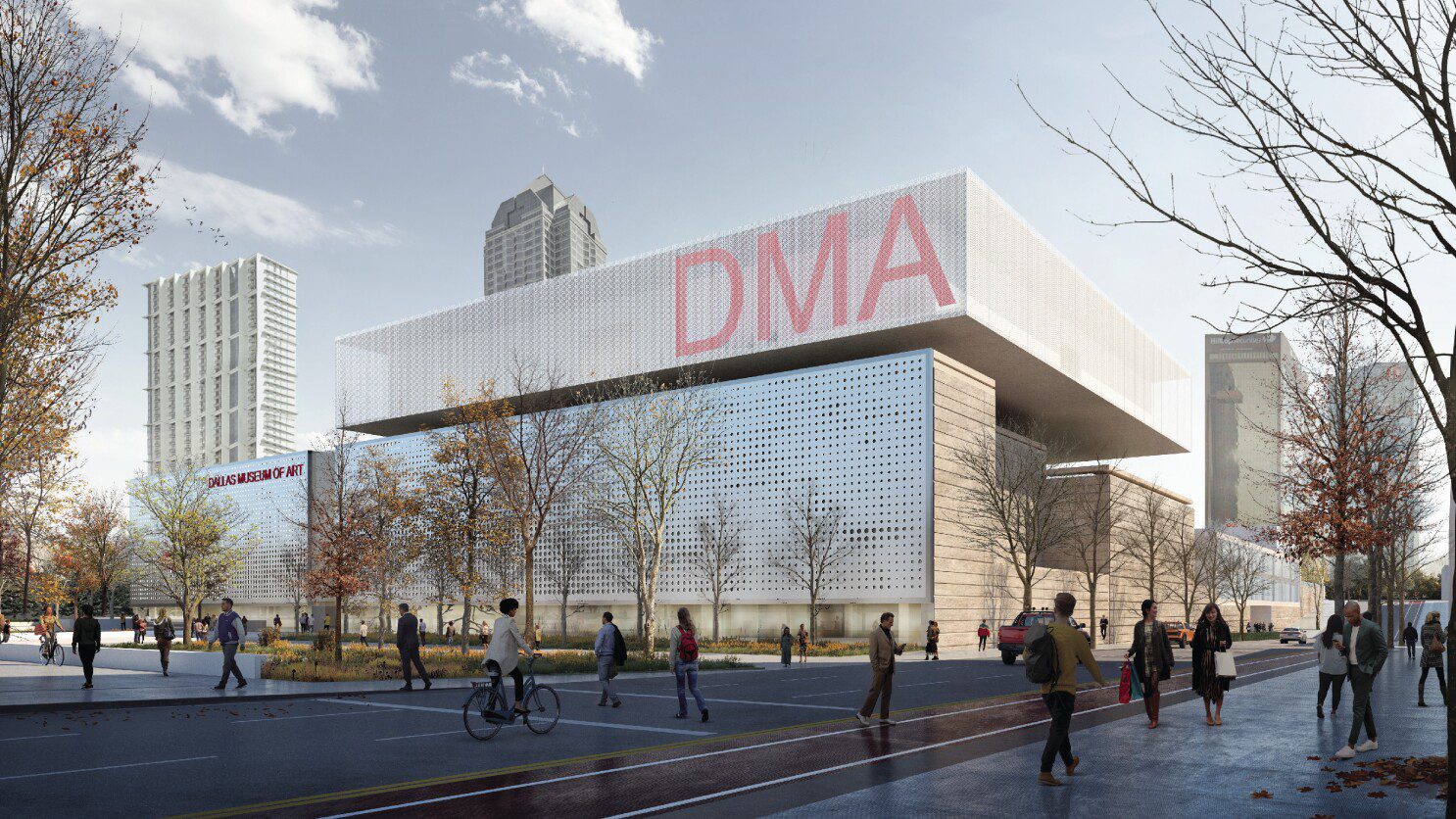
The Dallas Museum of Art (DMA) has played a major role in shaping the city’s cultural identity. It’s considered one of the largest art museums in the United States, with 159,000 square feet of exhibition space and a collection of over 24,000 artworks.
The story of the DMA began in 1903, when the Dallas Art Association was founded. Initially, artworks were displayed at the Dallas Public Library. Local artists needed a dedicated art space to promote culture within the community and attract sponsors.
In 1932, the organization was renamed the Dallas Museum of Fine Arts, and four years later, it moved into its own Art Deco-style building located in Fair Park. The structure was designed by a consortium of architects that included Paul Cret of Philadelphia.
One of the most influential figures in the museum’s history was Jerry Bywaters, who served as director from 1943 to 1964. Under his leadership, the museum built a significant collection featuring works by artists such as Alexandre Hogue, Olin Herman Travis, and others.
In 1963, the Dallas Museum of Fine Arts merged with the Dallas Museum of Contemporary Art, allowing it to expand its collection to include works by renowned European modernists.
By 1984, the museum opened its new modern facility in the Dallas Arts District. The construction cost $54 million and marked a new era for the institution and for Dallas’s cultural scene as a whole.
Events That Shaped the City’s Culture
Dallas hosts numerous events and festivals that contribute to its vibrant cultural life. For instance, the State Fair of Texas, held annually, features live music performances, art exhibitions, and culinary showcases. Another popular event is the Deep Ellum Arts Festival, which gathers visual artists and musicians across multiple stages in one of the city’s most creative neighborhoods.
In the 21st century, the city’s cultural life continues to thrive. Dallas is home to a wide variety of nightlife and entertainment venues. Places like House of Blues and Granada Theater regularly host concerts across genres — from rock to jazz — enriching the region’s dynamic music scene.
As you can see, Dallas’s cultural roots go back to the 19th century, and its growth continues to this day. Every year, the city surprises residents and visitors alike with new venues, festivals, concerts, and events.
We hope this article helped you learn more about the history and evolution of Dallas — a city where creativity, art, and community have always gone hand in hand.