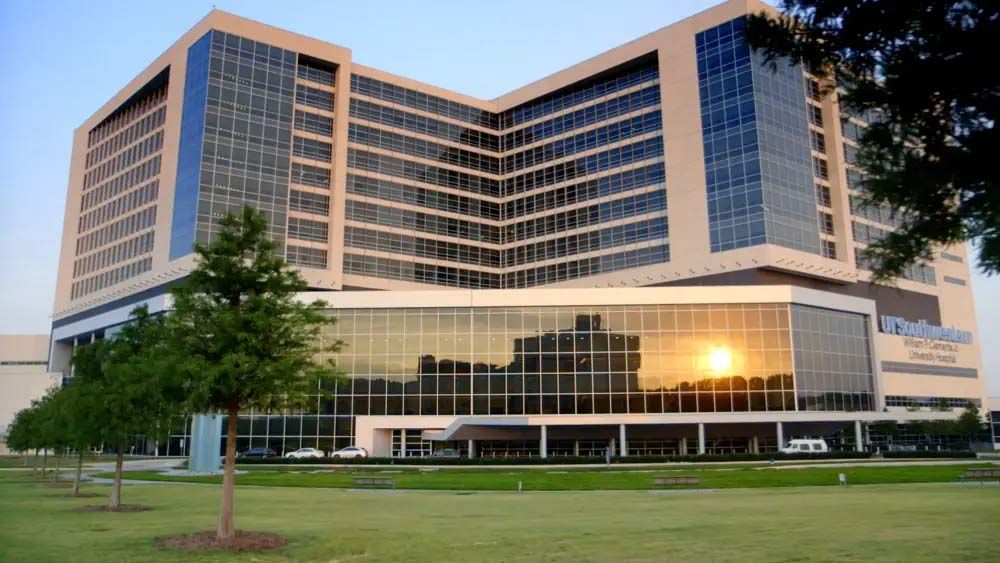

Medicine is an essential part of a city’s development. In the 21st century, medical institutions continue to grow and expand, implementing cutting-edge technologies for disease diagnosis and patient care. Dallas is home to many medical facilities, one of the most renowned being the University of Texas Southwestern Medical Center (UT Southwestern). It is one of the leading biomedical research and healthcare centers in the United States, located in the heart of Dallas. Today, we’ll take a closer look at its history and achievements. Read more on i-dallas.com.
When the Institution Was Founded
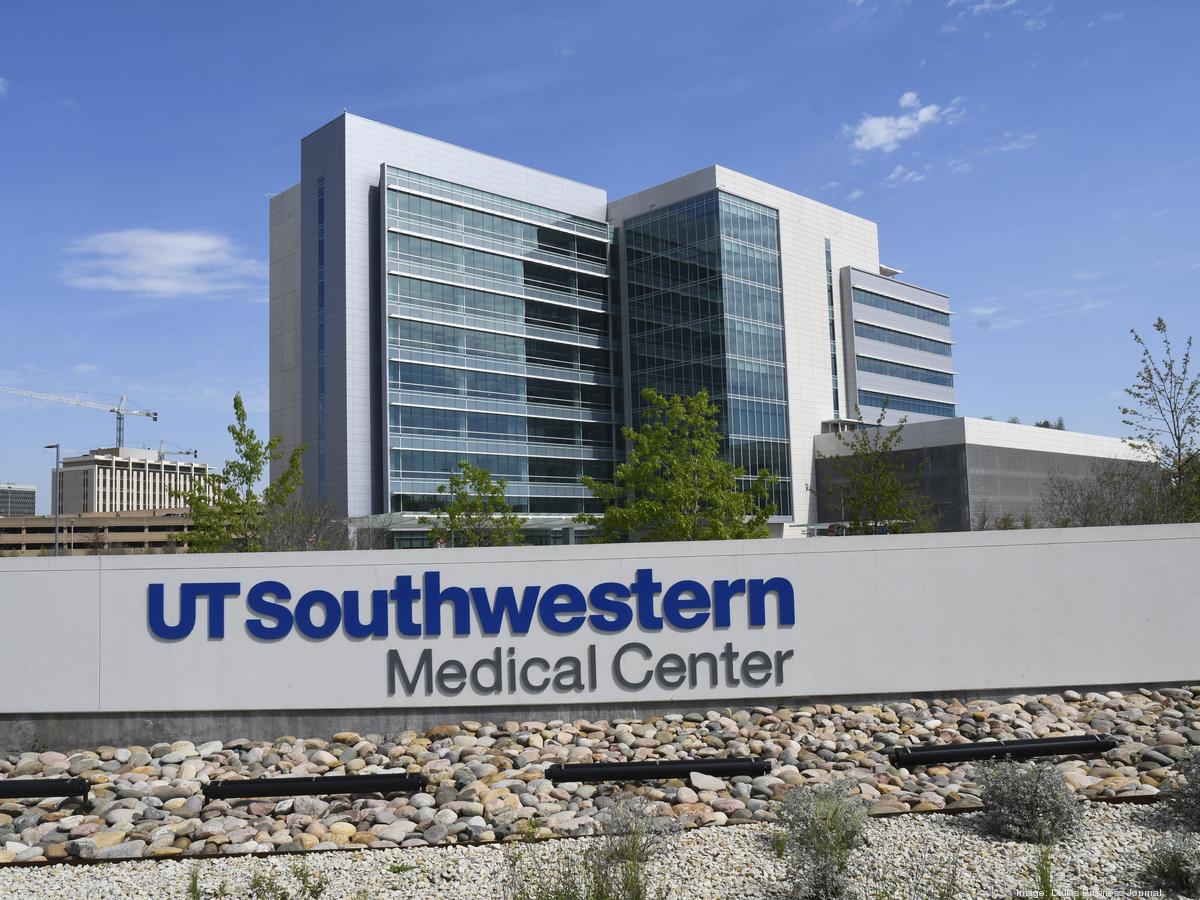
The history of the University of Texas Southwestern Medical Center dates back to the previous century. In 1939, a group of physicians and civic leaders led by Edward H. Cary and Karl Hoblitzelle established the Southwestern Medical Foundation. Just a few years later, in 1943, the medical school officially opened. The founders aimed to advance medical education and research in Dallas.
After World War II, the creation of a medical school proved to be both timely and strategic. During its early years, Southwestern Medical College operated in temporary facilities—converted military barracks. In 1949, the school became part of The University of Texas System, marking the beginning of its transformation into a major medical center.
By 1955, the first permanent building—the Edward H. Cary Building—was completed next to the newly established Parkland Memorial Hospital. This milestone helped strengthen clinical training and research. In 1972, the institution officially became known as The University of Texas Southwestern Medical Center, a name that reflects its expanded research and educational missions.
During the 1980s and 1990s, new laboratories and clinics were built. The center gained international recognition as its scientists received numerous prestigious awards, including several Nobel Prizes. UT Southwestern became known for pioneering work in molecular biology, genomics, and the early adoption of electronic medical systems and telemedicine.
A Prestigious and Continuously Evolving Medical Institution
Today, UT Southwestern employs more than 2,400 physicians and scientists, including six Nobel laureates.
The university’s programs in preventive medicine focus on early detection and prevention of cardiovascular, oncological, neurodegenerative, and infectious diseases. Each year, thousands of students and healthcare professionals receive training and education through its schools and research centers.
A key area of UT Southwestern’s mission is its screening and prevention programs, which reach tens of thousands of patients annually. These programs help detect medical conditions early—before they progress—and allow patients to begin treatment in time to improve recovery outcomes.
The institution operates with an annual budget exceeding $500 million, which supports investment in state-of-the-art medical equipment, genomics, biomarker research, and artificial intelligence technologies for healthcare data analysis. In addition, UT Southwestern regularly hosts public education events promoting community health and vaccination awareness.
As you can see, UT Southwestern plays a vital role in the advancement of medicine and public health in Dallas.
We hope you found this article informative and learned something new about our city. Do you take an interest in Dallas’s medical innovations? We’d love to hear your thoughts in the comments!