

AIDS is one of humanity’s greatest challenges. Worldwide, it has claimed tens of millions of lives. Yet those affected are often determined to fight to the end. People living with AIDS are frequently called the most motivated fighters. Fortunately, HIV infection has long since become a chronic condition that people can live with for many years and enjoy full, happy lives. However, society must have access to enough information on this topic to protect themselves and their loved ones. Continue reading on i-dallas.
In modern Dallas, people talk about AIDS openly. This openness improves the lives of those living with the disease and makes the work of healthcare providers easier. But it hasn’t always been this way. Just think back to the story portrayed in the film Dallas Buyers Club, and the picture becomes clear.
What Is HIV?
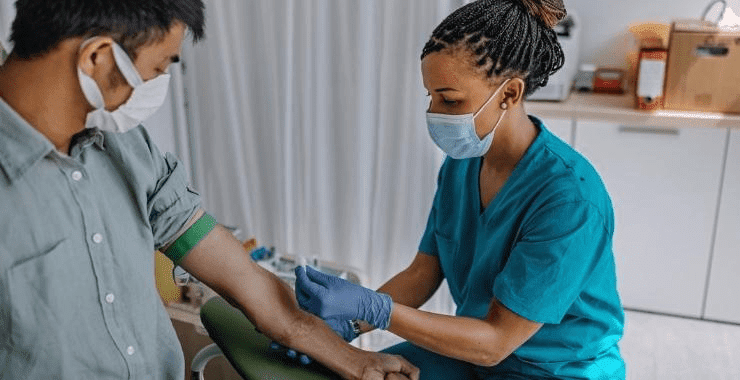
Human Immunodeficiency Virus (HIV) is the virus that causes a chronic infection when it enters the body. HIV attacks the immune system and undermines the body’s defenses, gradually leaving it defenseless against other infections and illnesses.
There are many myths about how someone can contract HIV. It’s important to know that the virus is only transmitted in the following ways:
- Blood transmission: Most often through non-sterile needles or syringes (injection drug use, body piercings, or tattoo procedures).
- Sexual contact: During unprotected sexual activity.
- Mother-to-child: During pregnancy, childbirth, or breastfeeding.
What Is AIDS?

Acquired Immunodeficiency Syndrome (AIDS) is a set of illnesses that result from HIV infection destroying the immune system. It is considered the final, fatal stage of the disease, developing only when appropriate treatment is absent.
People with AIDS are completely unable to resist infectious diseases. They become extremely vulnerable to their surroundings and lose the capacity to live fully.
Stopping the progression of HIV infection and preventing its transition to AIDS is possible thanks to antiretroviral therapy. Since its introduction, the number of AIDS cases worldwide has decreased by more than tenfold.
HIV and AIDS Statistics in Dallas
As of 2021, Dallas ranked second in Texas for new HIV infections and first for the total number of people living with the virus. However, even these figures are not complete: about 13% of those infected are unaware of their diagnosis.
Dallas hospitals currently have 15,957 people on record with HIV. Each year, about 900 new patients are added to the registry.
Dallas physicians point out that residents have started seeking medical assistance sooner. They attribute this to improved public education. Furthermore, people today are more self-assured and less fearful of social stigma. Consequently, it’s clear that fewer individuals are progressing from HIV infection to AIDS.
Personal responsibility for their own lives and health, combined with trust in medical care, has led to Dallas residents receiving timely treatment.
Dr. John Carlo on HIV-Positive Bruce Monroe

Bruce Monroe is a leader of Dallas’s LGBT community. For the past two decades, he has lived with an HIV diagnosis. Thanks to specialized therapy, his life remained stable for many years: he served as president of the Dallas Gay and Lesbian Alliance and the Foundation for Human Understanding, pursued art, and traveled. However, in 2015 his health suddenly deteriorated for unknown reasons, leaving Monroe confined to a wheelchair.
On several occasions, a nurse living next door urged him to see a doctor. She was alarmed to watch him lose the ability to walk normally before her eyes and struggle just to walk his dog. Yet Monroe ignored his worsening condition until one day he collapsed in his home.
First, Dallas doctors ruled out genetic neurological diseases as the cause of Monroe’s condition. He had no multiple sclerosis or Parkinson’s disease and had never suffered a head injury. Physicians concluded they were powerless and linked his coordination problems to his HIV status.
Regarding Bruce Monroe’s health, Dr. John Carlo, CEO of AIDS Arms, provided commentary. His organization offers a range of support to city residents with HIV or AIDS. According to him, prolonged suppression of the immune system by the virus and therapy can cause unusual reactions in the body. However, proving that the patient’s decline was due to the medications is nearly impossible. Therefore, the only way to help Monroe is not to make any predictions and to support him with physical therapy.
The HIV-positive Dallas resident endures Dr. Carlo’s pessimistic words with resilience. He hopes Dallas medics can prevent further decline in his condition. He willingly shares his story so that his experience can serve as a lesson for others.
Dr. Stephen Pounders’ Experience
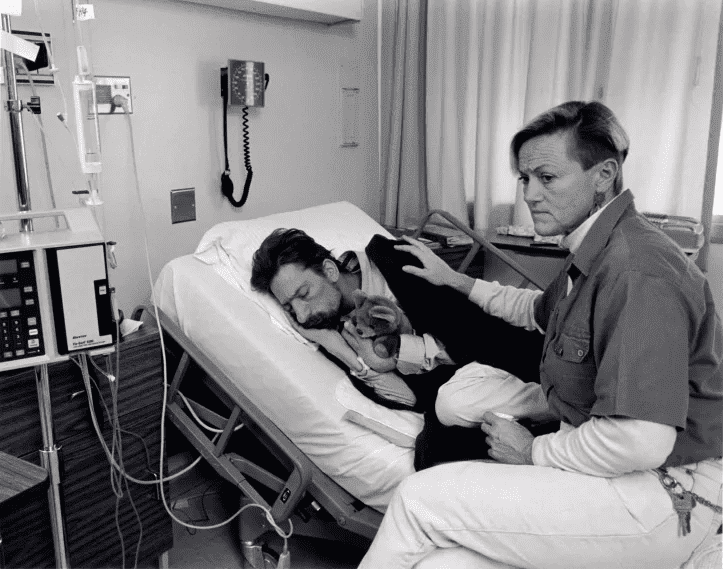
Dr. Stephen Pounders began his medical education just as the Morbidity and Mortality Weekly Report highlighted that gay men were dying from little-known causes in the U.S. In 1988, Pounders joined Parkland Hospital. Around that time, the Dallas Gay Alliance won a lawsuit securing city funds to purchase AZT. At the time, AZT was the only medication that helped combat HIV.
What Dr. Pounders saw in the HIV ward shocked him. First, some doctors openly displayed homophobia. They refused to interact with patients not only because of their diagnosis but also because of their sexual orientation. Second, medical staff lacked knowledge about HIV, so they were afraid to give injections and even left food outside patients’ rooms. Pounders immediately began providing proper care and shared his knowledge with other healthcare workers to dispel their fears.
Over the years, Dr. Stephen Pounders earned a reputation as an educated and competent infectious disease specialist who helps all Dallas residents living with HIV and AIDS. His likeness was immortalized in the film Dallas Buyers Club as the character Dr. Eve Saks. Like Pounders, the character helped patients suffering from the little-understood disease.
Dr. Pounders was one of the first Dallas physicians to advocate for patients to undergo HIV testing openly. He argued that anonymity would hinder insurance companies from providing support if the test proved positive.
Today, Dr. Pounders is best known for his private practice. He no longer pursues research on HIV and AIDS but still makes occasional prescriptions for longtime patients. His work now focuses mainly on aesthetic medicine.
Sources: