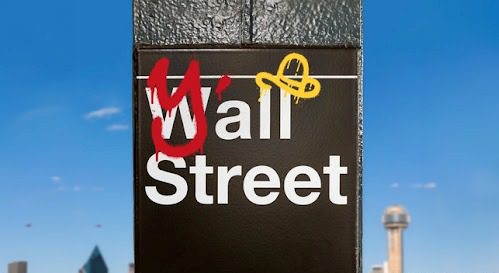

A decade ago, the idea of shifting the U.S. financial center from Manhattan to Texas seemed like a daring fantasy. Today, it is an operational reality. While New York grapples with high taxes and the cost of living, the Dallas–Fort Worth (DFW) metroplex has transformed into “Y’all Street”—the nation’s most dynamic financial hub. For more details on this transformation, visit i-dallas.com.
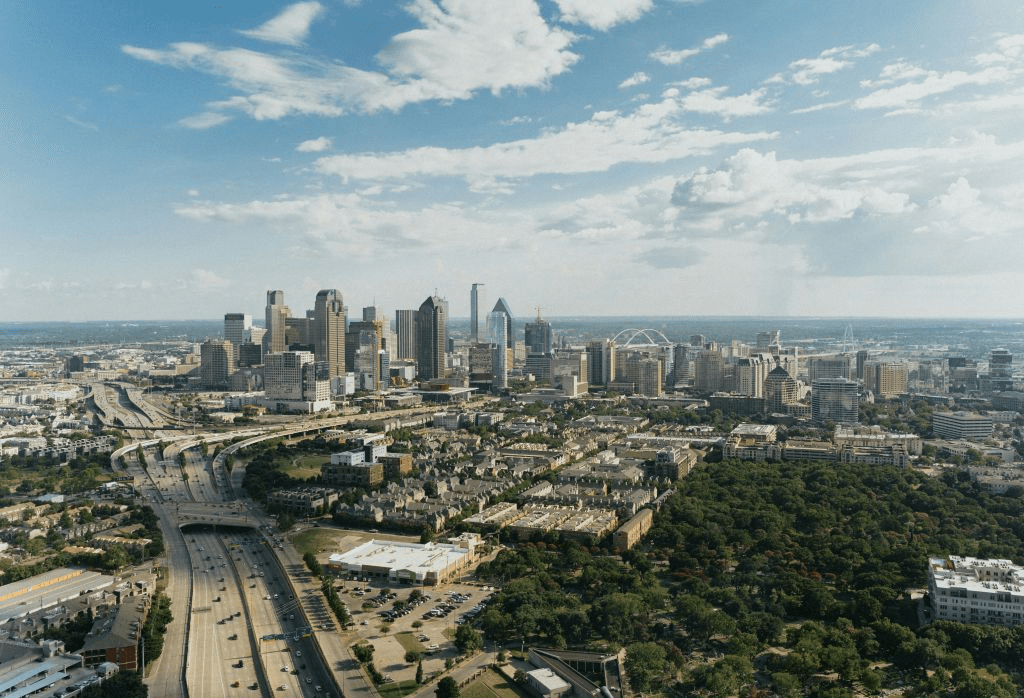
The Great Migration: Capital Chooses the Prairies
The center of gravity for global finance is no longer just the glass skyscrapers of Downtown Dallas but also the rapidly growing northern suburbs of Plano, Frisco, and Westlake. It is here that giants, long associated exclusively with Wall Street or Silicon Valley, have deployed their “flagship” headquarters. Texas has ceased to be just an “oil state,” evolving into the primary financial hub of continental America.
- Charles Schwab. The complete relocation of its corporate headquarters from San Francisco to Westlake symbolized the end of California’s era of dominance. Managing over $12 trillion in assets, its 100,000-square-meter Texas campus has become the corporation’s central brain trust. It houses not only top management but also key divisions for fintech solutions and risk management.
- Goldman Sachs. Construction is nearing completion on a futuristic, $700 million campus in the prestigious Victory Park district. This is the bank’s largest office project outside of New York, designed for 5,000 employees. The project features two towers and its infrastructure, underscoring Goldman Sachs’ intent to make Dallas its “Southern Capital” for private wealth management and investment banking.
- Texas Stock Exchange (TXSE). The financial world’s biggest headline is the official launch of the Texas Stock Exchange. Backed by $135 million in initial funding from giants like BlackRock and Citadel Securities, TXSE directly challenges the dominance of the NYSE and Nasdaq. The exchange offers companies a more favorable regulatory environment and lower operating expenses, already prompting many Fortune 500 corporations to consider dual listing.
- JPMorgan Chase. While its main headquarters remains in New York, the Plano campus has become the bank’s largest operational center in the world. As of 2026, over 14,000 specialists work here, making JPMorgan one of the region’s largest private employers. This confirms the “financial triangle” strategy, where Dallas serves as the primary node for back-office and technological support.
The mass migration of financial institutions to North Texas is driven by a unique combination of no state income tax, relatively low real estate costs, and a massive talent pool. The establishment of the Texas Stock Exchange has finally solidified the region’s status as an independent financial ecosystem, capable of generating and distributing capital on a national scale.
This concentration of banking and asset management creates a powerful multiplier effect for the local economy. The arrival of thousands of high-paying jobs stimulates the luxury real estate market, service sector growth, and educational programs, turning the prairies around Dallas into a new “Financial Belt”. This will define the economic agenda for the U.S. and the world in the coming decades.
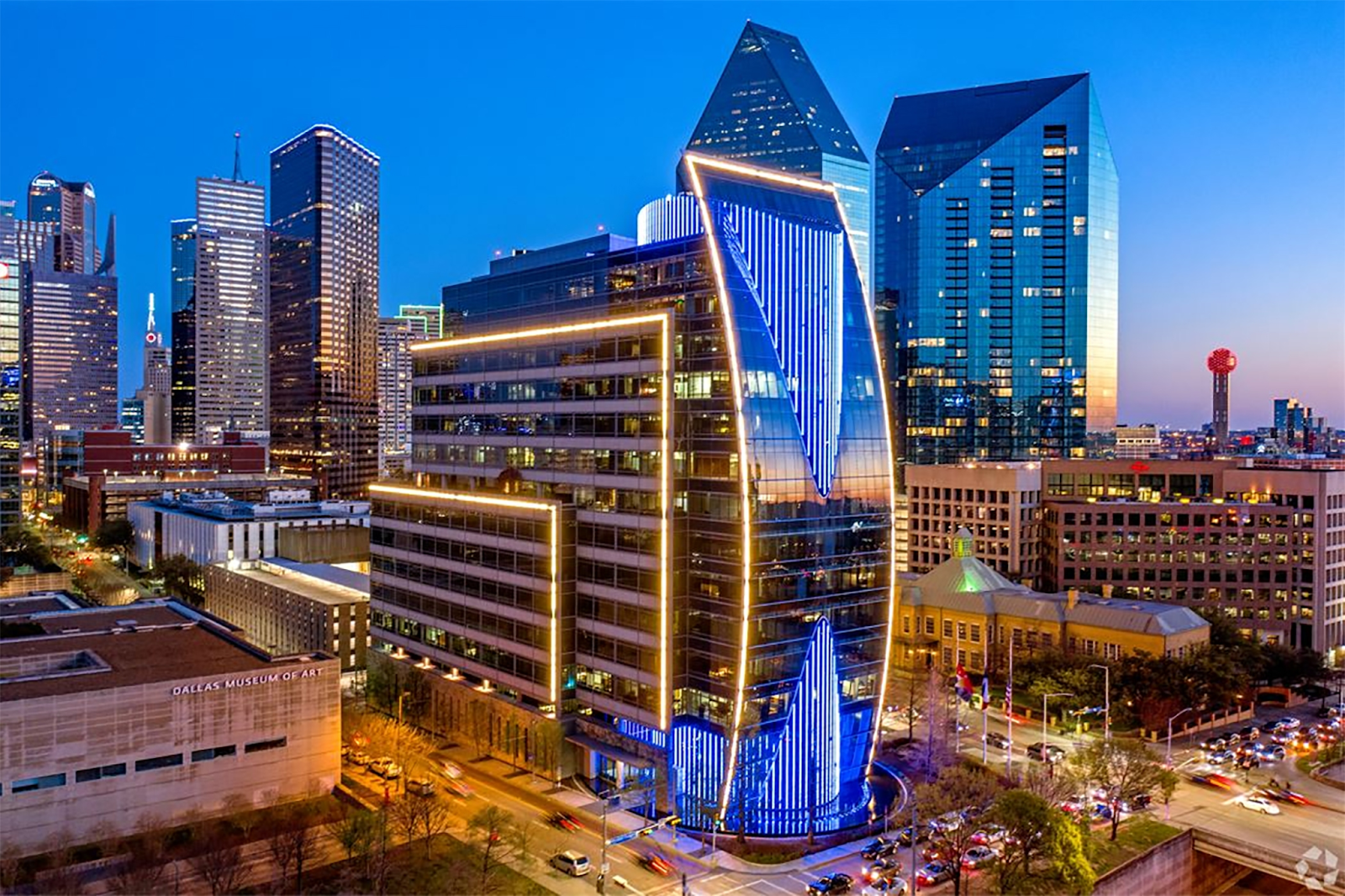
Small Players on the Shoulders of Giants
The presence of the world’s largest banking corporations has created a unique “halo effect” in the region. Highly skilled professionals, who spent decades honing their crafts in traditional banking, are increasingly choosing the path of innovation, moving all together to agile startups or founding their own tech companies. This symbiosis of experienced capital and ambitious engineering has turned Dallas into an ideal incubator for game-changing solutions.
- Blockchain in Real Estate. As one of the most active and liquid development markets in the U.S., Dallas has become a natural testing ground for distributed ledgers. Companies like BankSocial and numerous local blockchain developers are integrating smart contracts to radically accelerate operations. Instead of multi-week paper procedures, the technology allows for the instant purchase and sale of commercial properties, automatically verifying ownership and ensuring transaction transparency without the heavy bureaucracy of traditional title companies.
- Artificial Intelligence for Banking. The region is seeing rapid growth in platforms using AI and machine learning to fully automate lending processes. Developments in digital lending platforms allow small local banks to compete on equal footing with multinational giants. Thanks to algorithmic big data analysis, the approval time for mortgages or business loans is reduced from weeks to mere hours. This not only lowers operating costs but also makes capital more accessible to small businesses and private borrowers.
- Micro-Investing Infrastructure. With the presence of giants like Apex Fintech Solutions, which provides the “invisible” infrastructure for millions of brokerage accounts worldwide, Dallas has become the main base for next-generation investment app developers. Local startups are creating tools that allow users to automatically invest “spare change” from daily purchases into cryptocurrency or fractional shares of leading Texas companies. This democratizes access to the stock market, attracting a new generation of investors for whom the barrier to entry is measured in cents rather than thousands of dollars.
The development of these sectors stimulates a whole layer of supporting services—from cybersecurity to specialized legal support for fintech operations. Dallas has effectively become a giant laboratory where traditional finance undergoes digital transformation, adapting to the demands of the new economy.
The local ecosystem benefits from the direct proximity of developers to end-users—large investment funds and banks located just blocks away. This direct link between the client and the innovator ensures an extremely fast feedback loop, making the Dallas fintech sector one of the most resilient and dynamic in the world.

Why Young Financiers Choose Dallas
For Gen Z and millennials building careers in fintech and classic finance, Dallas offers what New York or San Francisco can no longer provide: real-life scalability. It is a unique combination of high income, affordable infrastructure, and proximity to decision-making centers, creating the perfect “social elevator” for ambitious specialists.
- A Tax Haven. One of Texas’s most significant advantages is the total absence of state income tax. For a young specialist earning a competitive salary, this automatically adds 8–12% more net income to their budget compared to New York or California. In the long term, these funds become capital for investment or a down payment on a home—a dream that remains unreachable for beginners in other hubs.
- The Cost of Innovation and Office Space. Renting a creative office in the historic Deep Ellum district or the modern Plano Legacy West hub costs a fraction of the price of prestigious Hudson Yards or Central Park. These savings allow startups and fintech teams to direct resources into R&D, hiring top engineers, and marketing rather than maintaining expensive “walls” in high-priced locations.
- Proximity to Strategic Clients. Texas is essentially one of the world’s largest economies, hosting a record number of Fortune 500 companies. For Dallas fintech startups, this means a critical advantage. They don’t need to fly across the continent to meet a potential corporate client; the headquarters of a major bank, energy giant, or logistics corporation is often in the next block or a short drive away.
Beyond purely financial factors, Dallas attracts young professionals with its urban quality. An expanded network of public spaces, modern “live-work-play” residential complexes, and a vibrant cultural scene make the region comfortable for long-term planning. Here, career growth doesn’t require sacrificing personal space or quality of life.
Ultimately, Dallas is setting a new standard for a financial capital, where innovation is backed by real economic incentives. It is an environment where a young professional can work on global projects while building their own financial independence much faster than in oversaturated and overpriced traditional capital centers.

A City with Memory and Ambition
Dallas isn’t just copying the architecture or methods of Wall Street. It is building its own unique version of the financial world—more digital, less formal, and significantly more efficient than the conservative models of the past. Here, the historical heritage of West End’s red brick meets Internet of Things (IoT) infrastructure, and the oil wealth of past generations transforms into strategic venture investments in blockchain protocols and the AI of the future.
- Synergy of Eras. In Dallas, the old isn’t destroyed for the sake of the new; resources are reimagined. Former industrial warehouses become hubs for crypto startups, and experienced old-school bankers become mentors for fintech innovators.
- A New Standard of Efficiency. The Texas financial model is based on decision-making speed and the minimization of regulatory hurdles. It is a city where an idea can move from concept to a multi-million-dollar seed round faster than in any other financial center.
- Global Recognition. The status of “Wall Street of the South” is no longer just an ambition or a marketing slogan. It is a fact recorded in Bloomberg terminals through transaction volumes and confirmed by the cranes on construction sites where the new headquarters of global market leaders are rising.
The New Architecture of Capital
Analyzing the rapid transformation of Dallas, it becomes clear that the region is not just attracting investment but creating a fundamentally new, autonomous capital ecosystem. The great migration of giants like Charles Schwab and Goldman Sachs from traditional coasts to the Texas prairies is a logical result of creating the perfect environment for capital.
Dallas has successfully implemented a model where “old money” and experienced personnel became the foundation for the aggressive growth of fintech startups. The presence of infrastructure leaders like Apex Fintech Solutions has allowed small players to build innovative platforms for micro-investing and AI-banking, leaning on the strong shoulders of giants.
The “Wall Street of the South” today is more than just an ambitious name; it is a complete architecture where financial stability, technological boldness, and economic freedom have formed a new capital of world finance. Dallas has proven that in the digital age, the center of gravity isn’t the one with the oldest history, but the one offering the most efficient space for growth.
Sources:
- https://dallasinnovates.com/dallas-fintech-collateraledge-gets-strategic-investment-from-new-york-investment-firm/
- https://www.dallasnews.com/business/banking/2025/12/14/dallas-fort-worth-cowboy-capitalism-carves-its-own-niche-in-venture-capital/
- https://dallasinnovates.com/why-these-founders-educators-and-executives-moved-to-dallas%E2%80%91fort-worth-and-stayed/