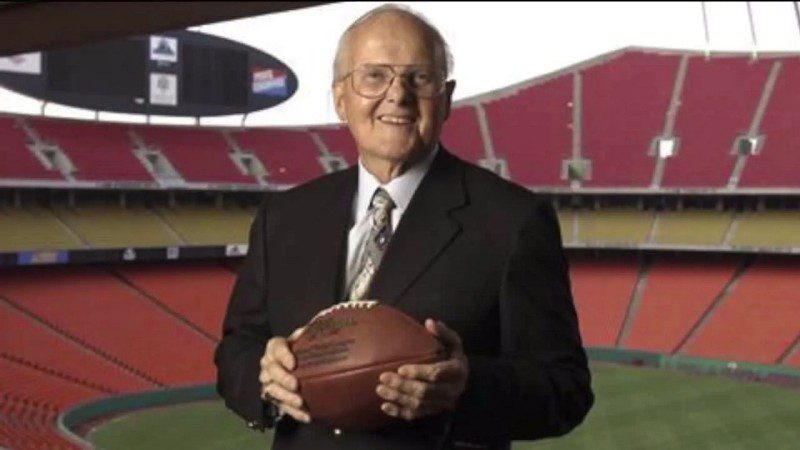

The story of Lamar Hunt is a classic example of what happens when you say “no” to an ambitious Texan aristocrat with limitless resources. In the late 1950s, the young Hunt, obsessed with the idea of professional sports, attempted to purchase or found an NFL team in his native Dallas. When the league’s conservative owners blocked his application, they hoped the wealthy heir would simply find another hobby. However, they underestimated Texan stubbornness. Instead of accepting the rejection, Hunt did something that changed American history: he founded his league—the AFL (American Football League).
Below, on i-dallas.com, we break down the details:
- The history of founding the AFL as a daring response to the conservatism of the US football elite;
- Dirty tactics, free ice cream, and the logistical hell of the battle between the Dallas Texans and the Dallas Cowboys;
- How a toy belonging to Hunt’s daughter gave a name to a multi-billion dollar brand;
- Hunt’s role in creating professional tennis and soccer (MLS), which defined the modern face of Texas.
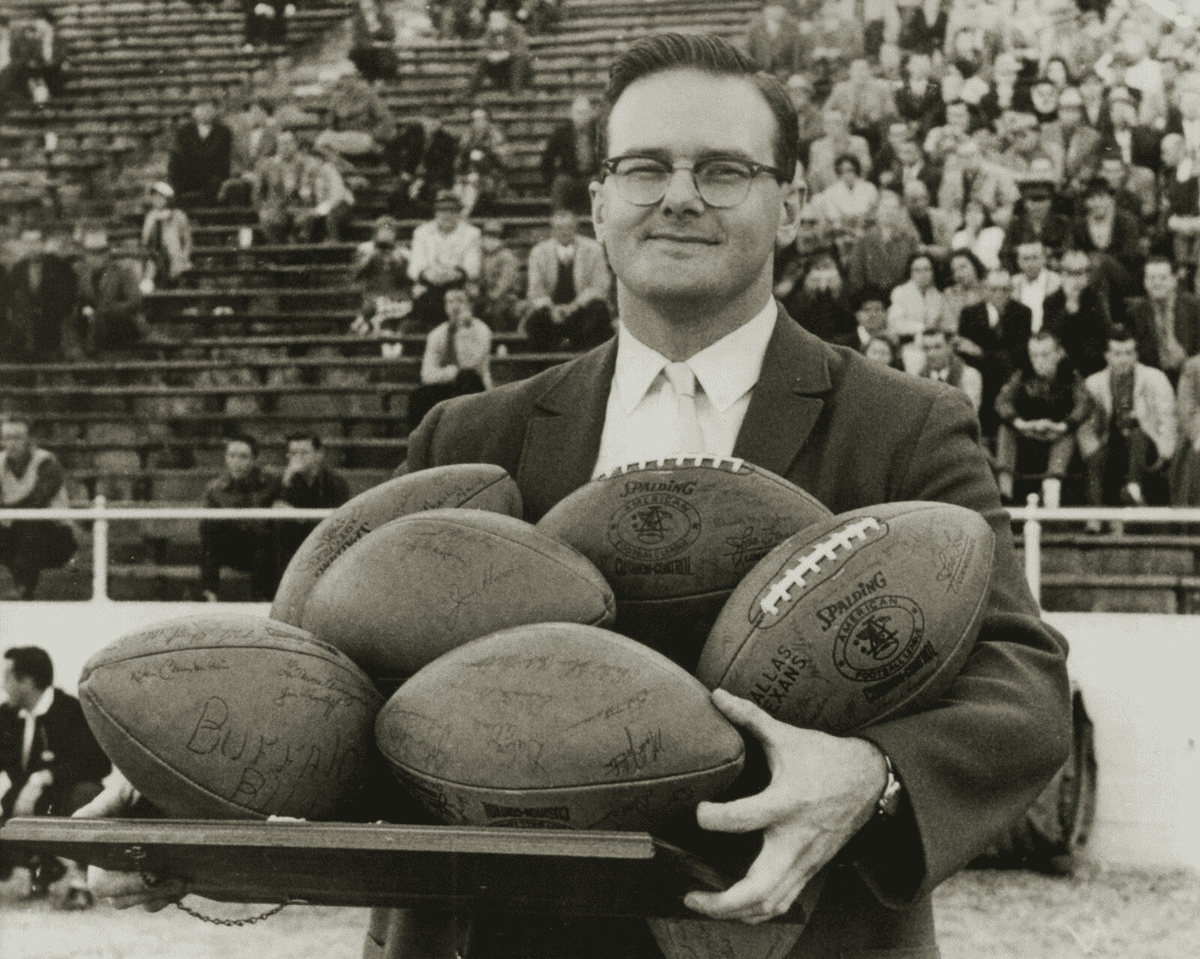
The “Foolish Club” and Hunt’s Revolution
The league Hunt created was initially mocked. NFL team owners called Hunt and his investment partners The Foolish Club, believing they would go bankrupt within a single season. But it was something different and new that the audience loved, and thus the newly formed league was destined for a long life.
- Alternative Format. The AFL offered more spectacular, “aggressive” football with a high volume of passes, which stood in sharp contrast to the conservative play of the NFL.
- Broadcasting Innovations. Hunt realized the future belonged to television. He was the first to put players’ last names on jerseys and introduced an official game clock on the scoreboard to make it easier for fans to follow the action.
- The Fight for Talent. The AFL began offering college stars contracts that were astronomical for the time, forcing the “older” league to get nervous and raise the stakes. This wasn’t just a business project; it was a true rebellion against a monopoly. Hunt proved that competition was the best thing that could have happened to American football.
The Battle for Dallas: Texans vs. Cowboys — Civil War at the Cotton Bowl
In 1960, Dallas became the epicenter of the fiercest sports rivalry in US history. The city, which genuinely adored football, suddenly found itself being served too much of its favorite dish. Lamar Hunt’s team—the Dallas Texans—competed for the attention, money, and love of spectators against the newly formed Dallas Cowboys. The latter were established by the NFL in a rush and essentially “on the fly” with only one goal: to push the “upstart” Hunt out of the promising Texas market at any cost. This wasn’t just a game; it was a total war for survival between the old guard and the ambitious newcomer.
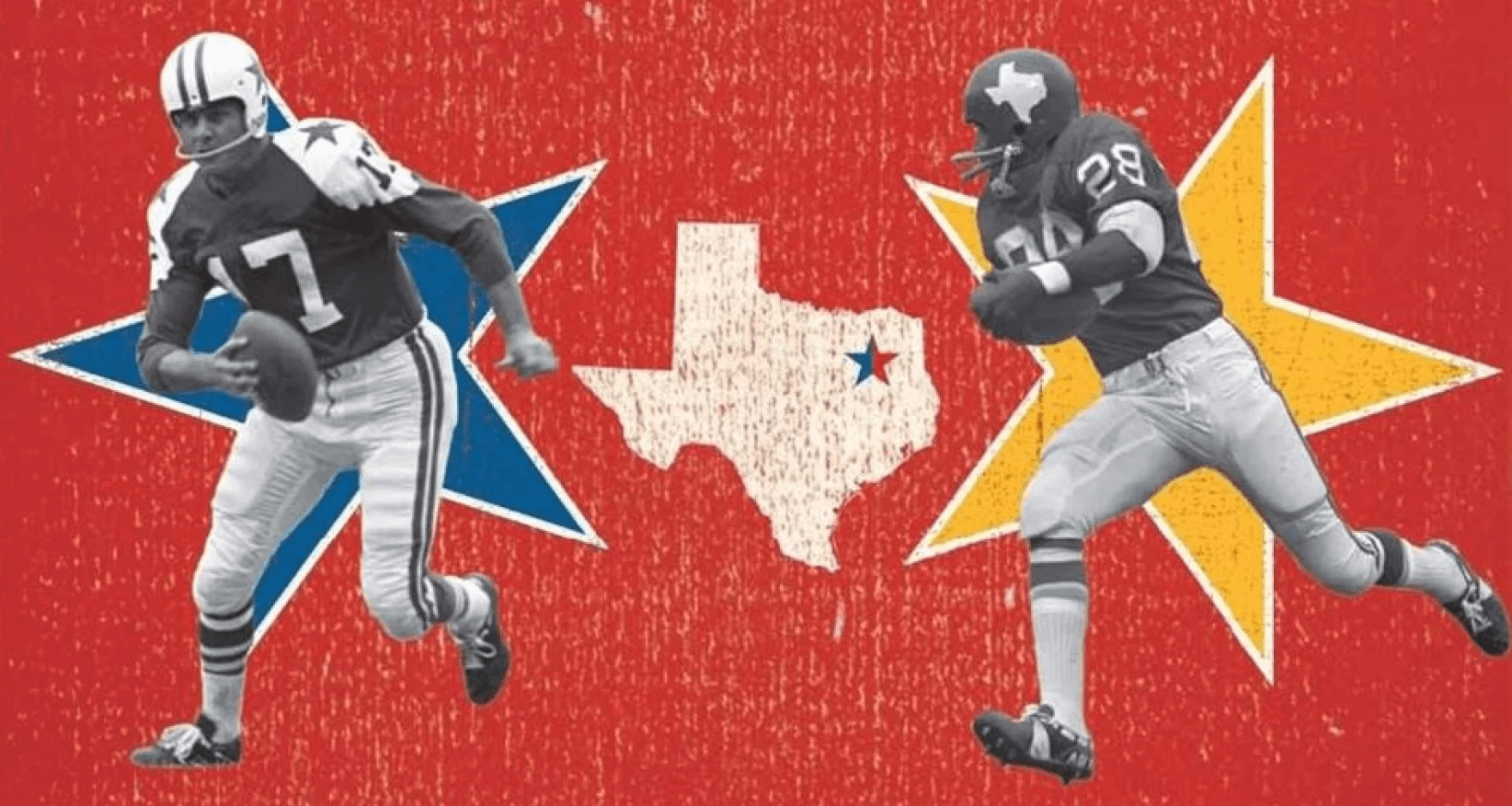
A War of Attrition: Mud and Logistical Hell
Both teams were forced to share a single stadium—the legendary Cotton Bowl. This created situations that today seem unthinkable for professional sports.
- Swamp Battles. Occasionally, matches for both leagues took place on the same weekend. If the Texans played on Saturday and the Cowboys played on Sunday, the field by the end of the second game turned into a literal swamp where athletes fought the mud more than their opponents.
- Identity Confusion. Work crews had to repaint end zones and swap banners in a frantic rush so that fans arriving for an NFL game wouldn’t see the branding of their AFL competitors.
- Scheduling Conflicts. Each club tried to secure the best broadcast time slots, leading to endless disputes between owners and stadium management.
Marketing Creativity: Ice Cream vs. Free Tickets
Since the teams had roughly equal levels of media support, “guerrilla” methods were used to attract an audience. This was the golden age of sports marketing, where ingenuity carried more weight than million-dollar budgets.
- Battle of the Bonuses. While the Dallas Cowboys banked on the future generation and gave away free tickets to children, the Texans responded with “heavy artillery”—offering free ice cream to every fan or holding massive car giveaways right during halftime.
- The Blue-Collar Owner. Lamar Hunt personally participated in distributing promotional flyers on city streets. The millionaire didn’t shy away from simple labor, proving he was ready to be a “blue-collar worker” for the sake of his dream and the AFL’s recognition.
- Slogan War. Dallas newspapers were packed with ads where each team claimed to be the “true face of Texas,” manipulating local patriotic sentiment.
A Concession, Not a Defeat
Although Lamar Hunt made the strategic decision to move the Texans to Kansas City in 1963 (where they became the modern-day Kansas City Chiefs), his contribution to the development of sports in Dallas cannot be overstated.
- The Forced Greatness of the Cowboys. Without competition from Hunt, Dallas would never have received the Cowboys. The NFL was forced to create a team in the city only as a reaction to Lamar’s ambitions.
- The Inventor of the Name. It was Hunt who later suggested the name “Super Bowl” for the championship match between the leagues.
- The Merger. His “gamble” concluded with the merger of the AFL and NFL in 1970, creating the sports machine we know today.
Etymology of a Legend: How a Super Ball Became the Super Bowl
Today, the name of the NFL’s final game is the gold standard of marketing, but in the mid-60s, it was just an idea looking for a title. When both leagues decided to merge, a need arose for a grand final game.
“I just watched my daughter, Sharman, play with a toy that was popular then—a bouncy ball called a Super Ball. The word just slipped off my tongue during an owners’ meeting: ‘Why don’t we call it the Super Bowl?’ At first, everyone laughed, thinking it was too childish, but the name stuck forever,” Lamar Hunt recalled.
This ironic accident turned into a brand worth billions of dollars. Hunt, with his characteristic modesty, often joked that he could have come up with something more sophisticated, but Super Bowl perfectly captured the scale of the event.
A Legacy Beyond the Gridiron
Hunt’s influence on Dallas wasn’t limited to American football. He was a man who saw potential where others saw only space.
- Soccer. Hunt was the driving force behind the creation of MLS. Today’s FC Dallas club and the beautiful stadium in Frisco are direct results of his belief that world football could take root in Texas.
- Tennis. He founded World Championship Tennis, basing it in Dallas and effectively launching the professional era of the sport.
- Sports as Business. Lamar was the first to implement the concept of a stadium as a cultural and entertainment center, rather than just a sports field.
Why Lamar Hunt’s Shadow Still Defines Dallas
Despite his status as an heir to an oil empire and his colossal fortune, Lamar Hunt remained one of the pleasantest and most modest people in the city. In Dallas, where luxury is often put on display, Hunt was the exception that proved the rule. He is remembered not for gold watches or lavish parties, but for a simplicity that was astonishing for a man of his rank: he had a habit of flying coach, driving an old car himself, and standing in line for hot dogs at his stadiums alongside ordinary fans.
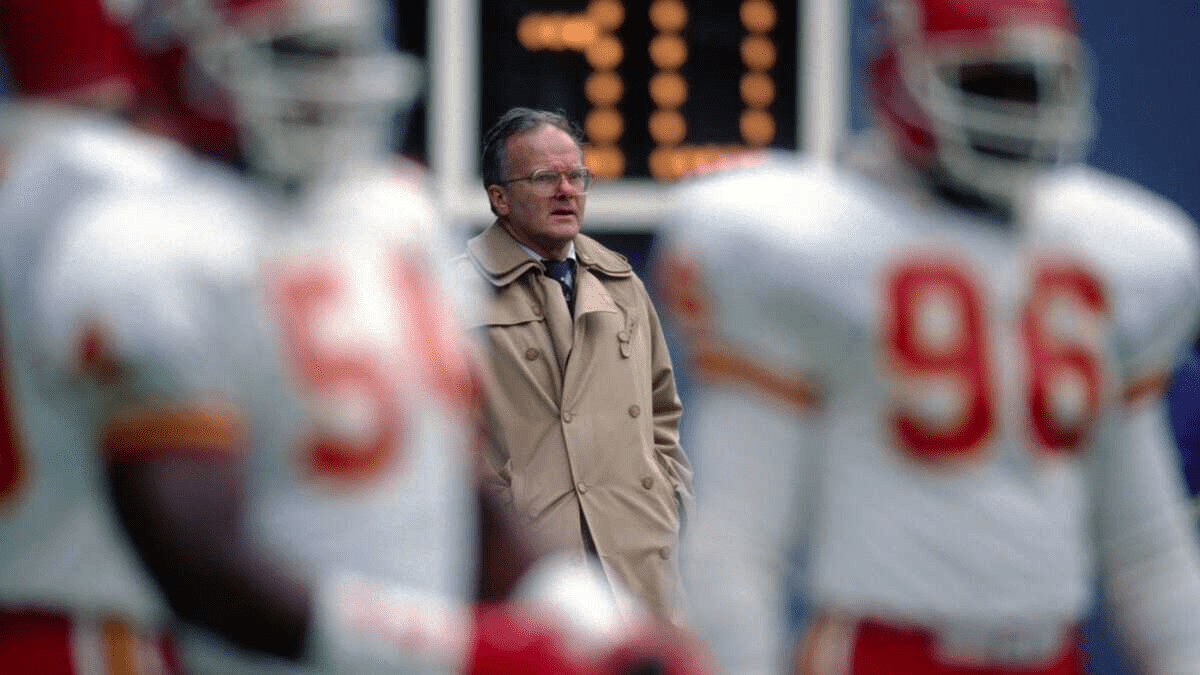
A Democratic Visionary in a Beige Raincoat
Hunt didn’t just own teams—he lived them. He could typically be seen in the stands in his signature nondescript raincoat, taking notes in a notebook like an ordinary sports columnist.
- Accessibility for Everyone. He was a democratic visionary who sincerely believed that elite sports should be accessible to every family in Dallas. This is why he fought for moderate ticket prices.
- Respect for the Fan. To Lamar, a fan wasn’t just a “customer.” He understood that without the emotion of the crowd, sports were just dry numbers in a checkbook.
- Lack of Egocentrism. In a world where club owners strive to name arenas after themselves, Hunt preferred to stay in the shadows, allowing the players and the game to take center stage.
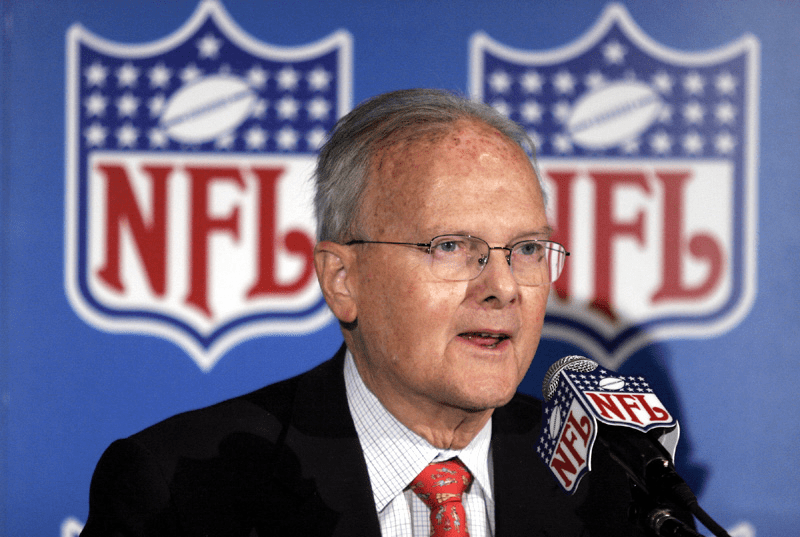
A Heritage Without Borders
Lamar Hunt passed away in 2006 at a Presbyterian hospital in Dallas, but his presence is felt in the city every day. His spirit lives in every Super Bowl broadcast and every match at Toyota Stadium.
- A Standard of Perseverance. He proved to the world that to change the global order of things, it is sometimes enough to simply refuse a rejection and have a little bit of that Texan stubbornness in your pocket.
- The City’s Sports Architecture. Without Hunt, Dallas would never have become such a diverse sports hub. He instilled a love for games that were previously considered “non-local.”
Lamar Hunt left behind a city that knows how to win. But more importantly—a city that learned to value the game above all else. Today, Dallas is considered the football capital of the world specifically because of the momentum provided by a rebel in an expensive suit.
Sources:
- https://www2.ljworld.com/news/2006/dec/14/chiefs_owner_lamar_hunt_dead_74/
- https://www.nytimes.com/2006/12/15/sports/football/15hunt.html
- https://mosportshalloffame.com/inductees/lamar-hunt-2/
- https://fox4kc.com/sports/chiefs/lamar-hunts-impact-on-the-nfl-and-why-bringing-home-a-w-today-would-be-extra-special-for-chiefs-kingdom/