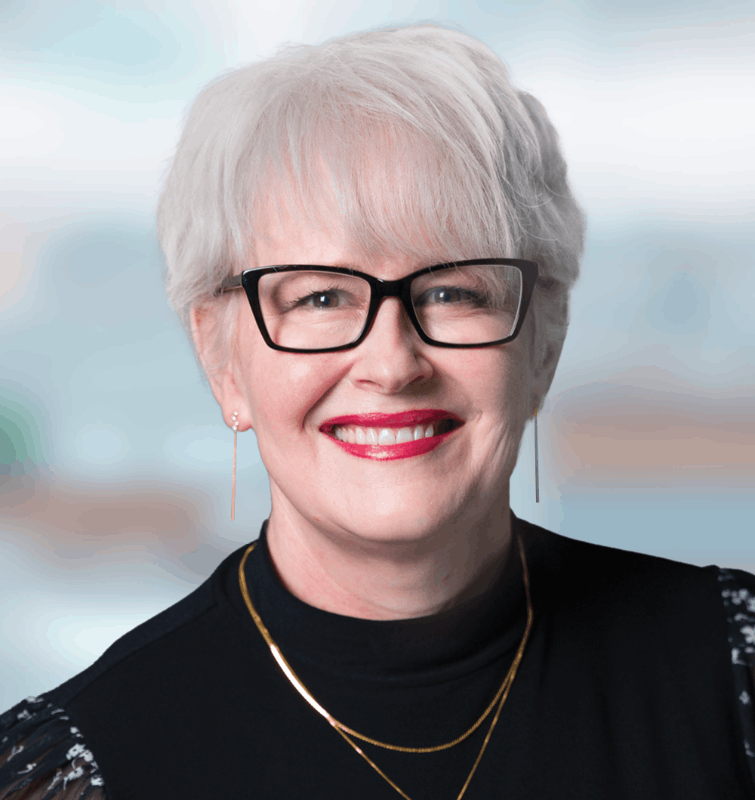

Until recently, Dallas was associated almost exclusively with oil derricks and financial centers. Today, however, the city is rapidly seizing leadership in the most complex field of the modern era—life sciences. The primary driving force behind this transformation is Dr. Claire Aldridge, a Ph.D. geneticist who successfully built a sturdy bridge between the sterile laboratories of UT Southwestern and the pragmatic boardrooms of venture capitalists.
In this featured article on i-dallas.com, we reveal the secrets behind the “Aldridge Model”:
- How a geneticist’s strategic vision transformed a local medical cluster into a global biotech player;
- Why the concept of “Translational Science” became the key to commercializing fundamental research;
- How the Pegasus Park project became a scientific Olympus and a magnet for Silicon Valley talent;
- The role of Lyda Hill Philanthropies in building infrastructure that saves startups from the “Valley of Death”;
- Mechanisms for integrating AI into drug discovery as the next stage of Dallas’s technological dominance;
- Secrets to overcoming scientific conservatism and implementing a new paradigm of thinking within academic circles.
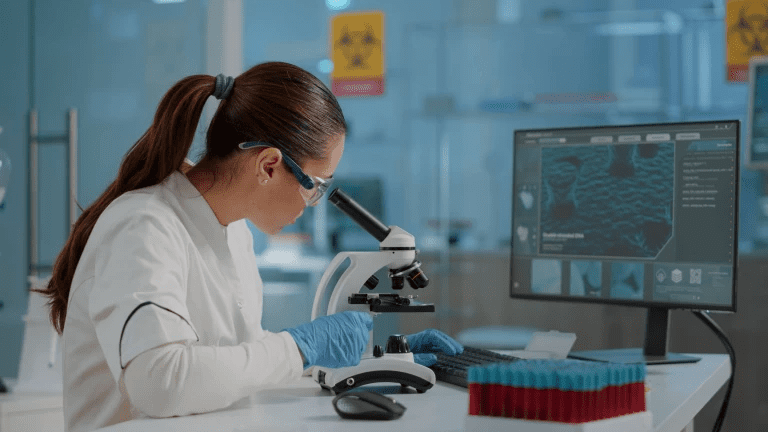
Creator of the Texas Innovation Ecosystem
Dr. Claire Aldridge has become the pivotal figure in Dallas’s large-scale transformation. Under her guidance, the city evolved from a powerful but local medical cluster into a global destination for biotechnology and life sciences. Holding a Ph.D. in Genetics and Development from the prestigious UT Southwestern Medical Center, Aldridge realized early in her career a critical problem: hundreds of brilliant discoveries “die” within lab walls every year due to a lack of venture capital and clear business strategies.
- The Concept of “Translational Science.” Her work became the living embodiment of an approach where every research step has a clear vector toward commercialization. Aldridge shifted the paradigm for scientists, proving that a publication in Nature or Science is only the beginning; true success is measured by the technology’s ability to reach the patient’s bedside as a tangible drug or diagnostic tool.
- Overcoming the “Valley of Death.” Serving as the Senior Vice President of Biopharma and Business Development at Lyda Hill Philanthropies, Aldridge directed massive resources toward building an infrastructure that allows startups to survive the most dangerous period—the gap between obtaining a patent and entering the market. Under her leadership, Dallas began offering more than just grants; it provided comprehensive ecosystems: from specialized wet labs to intellectual property legal support.
- Integrating Science into Investment. Aldridge acted as the “translator” between scientists and capitalists. She integrated deep scientific expertise into investment processes, making Dallas understandable and attractive to funds that previously ignored the South in favor of established routes to Boston or Silicon Valley. It is thanks to her efforts that projects like Pegasus Park turned into epicenters of innovation where academic centers and business leaders sit side-by-side.
Dr. Aldridge’s legacy in Dallas is measured not just in investment dollars, but in the structural change of the regional economy. She proved that the success of a biotech hub depends not on the number of microscopes, but on the quality of the connections between the university department and the corporate boardroom.
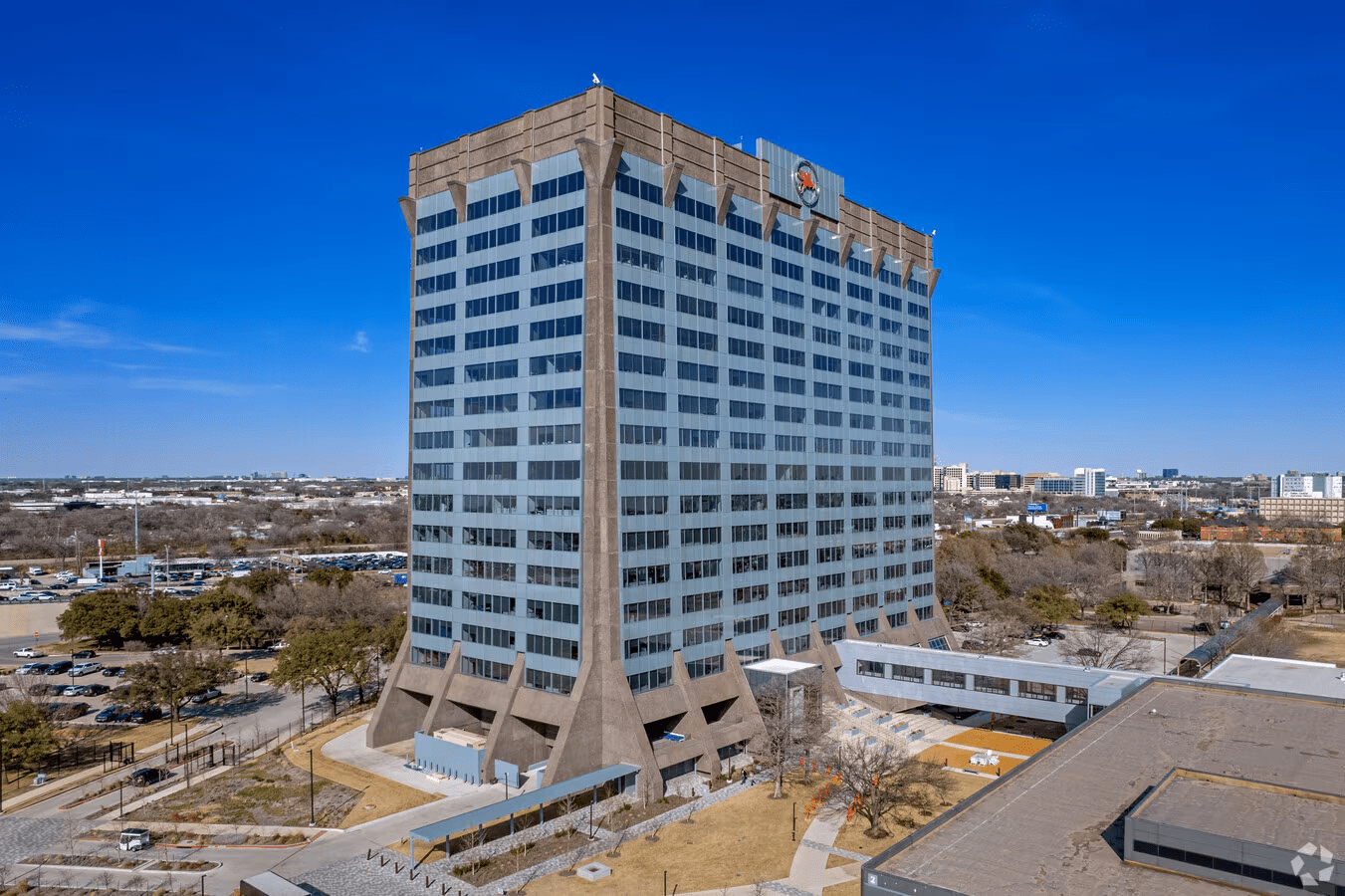
Pegasus Park: From a Neglected Office to a Scientific Olympus
The most ambitious and visually striking project where Dr. Aldridge’s strategic vision found its physical form is Pegasus Park. This unique 23-acre campus emerged on the site of a former Zale Corporation office complex, becoming the epicenter of the Dallas biotech boom. Aldridge was the chief ideologue behind establishing BioLabs here—a world-class network of shared laboratory spaces. This allowed talented scientists to access ultra-expensive equipment and sterile hoods without needing to raise millions in initial capital.
Why Pegasus Park Became a Global Success:
- Intellectual Concentration. The campus became the immediate contact point between leading academic institutions (notably UT Southwestern), agile startups, and representatives of major capital. This density of expertise creates a “serendipity effect” during casual coffee breaks in the lounge areas.
- Infrastructural Flexibility. The project offers a unique scaling model: a startup can begin by renting a single lab bench and, as it grows, take over an entire office wing or a specialized research center. This minimizes upfront capital expenditures (CapEx) and allows a focus on R&D.
- Access to Capital. Geographical proximity to venture capital offices and powerful charitable foundations like Lyda Hill Philanthropies radically shortens the path from idea to funding. Investors at Pegasus Park don’t just see slide decks; they see real laboratory processes through glass partitions.
- Social Synergy. A unique feature of the park is a dedicated hub for non-profit organizations. This creates synergy between fundamental science and social responsibility, strengthening the ethical component of modern research.
Thanks to the efforts of Aldridge and her team, Pegasus Park has become the premier showcase of modern Texas. It is a place where theoretical innovations are transformed into real economic products capable of saving lives and shifting global markets. The campus has become a magnet for talent from Boston and San Francisco seeking not only advanced labs but also a dynamic community where bureaucracy is minimized.
Strategy for Overcoming Scientific Conservatism
One of the greatest challenges for Dr. Aldridge was changing the mentality within the academic community. Traditionally, Dallas scientists focused on publishing in prestigious journals, leaving patenting for later. Claire introduced a new paradigm: a scientific discovery only holds true value when it is capable of changing a patient’s life through an accessible medical product.
She served as a mentor to dozens of specialists, helping them understand the “language of the market.” Her role at UT Southwestern as Associate Vice President for Commercialization and Business Development allowed for the creation of clear regulations for interaction between the university and the private sector. This removed the bureaucratic barriers that previously hindered Life Sciences in the region and opened the door for hundreds of new patents annually.
Global Recognition and Strategic Risk Capital
Dr. Aldridge’s work moved Dallas out of the shadow of traditional scientific centers and directly into the spotlight of the world’s largest institutional investors. Today, the metropolis demonstrates some of the highest growth rates for the life sciences sector in the United States. Claire became the lead ambassador for the idea that Texas offers global business not only a favorable tax climate but also a unique speed of innovation, often the critical factor in the race for patent priority.
Fundamental Success Factors of the “Aldridge Model”:
- Intellectual Synergy. Attracting top scientific talent is ensured through the region’s powerful medical school and an extensive network of specialized hospitals. This creates an environment where a scientist has direct access to a clinical base, significantly accelerating the testing phase for new treatments.
- Long-Term Risk Capital. One of Aldridge’s greatest achievements was forming a pool of local private investors and specialized funds willing to finance capital-intensive research in oncology and neuroscience. Such investments require a profound understanding of biotech specifics, as the path to profit is measured in years, not months.
- Municipal Protectionism. Active and transparent cooperation with the Dallas City Hall led to the creation of special economic zones and preferential conditions for biotech clusters. The city covers part of the infrastructure costs, making entry for new companies predictable and accessible.
Through these efforts, Dallas has successfully created a closed innovation loop. An idea born in a lab no longer needs to move to another state for development. It travels from fundamental research to prototyping, clinical trials, and finally to the mass production of pharmaceuticals or complex diagnostic systems right within the Texas biotech hub.
The Future of Dallas as a Biotech Capital
Today, Dr. Claire Aldridge continues to set the regional development agenda, emphasizing the importance of economic diversification. She is convinced that the next stage will be the integration of Artificial Intelligence (AI) into drug discovery, where Dallas has every chance to lead thanks to its robust IT sector. Her contribution to the innovation cluster is already yielding dividends in the form of new clinics, research centers, and thousands of high-paying jobs. Dr. Aldridge has proven that combining deep scientific expertise with business acumen is the only path to progress in the modern world. Dallas is no longer just a city of cowboys or oilmen; it is a city where science is the resource of the future.
Sources:
- https://blog.igem.org/blog/2023/8/23/forming-the-future-dr-claire-aldridges-journey-at-the-intersection-of-synthetic-biology-business-and-innovation
- https://investor.are.com/corporate-governance/officers-and-directors/person-details/default.aspx?ItemId=321ab83d-dc18-4660-aae7-b8d85d132e7f
- https://www.clinicallab.com/ai-s-impact-on-drug-development-opportunities-for-pharmaceutical-leaders-27585
- https://medschool.duke.edu/news/alumni-spotlight-claire-aldridge-phd96
- https://utswmed.org/medblog/covid-19-survivor-donates-plasma/