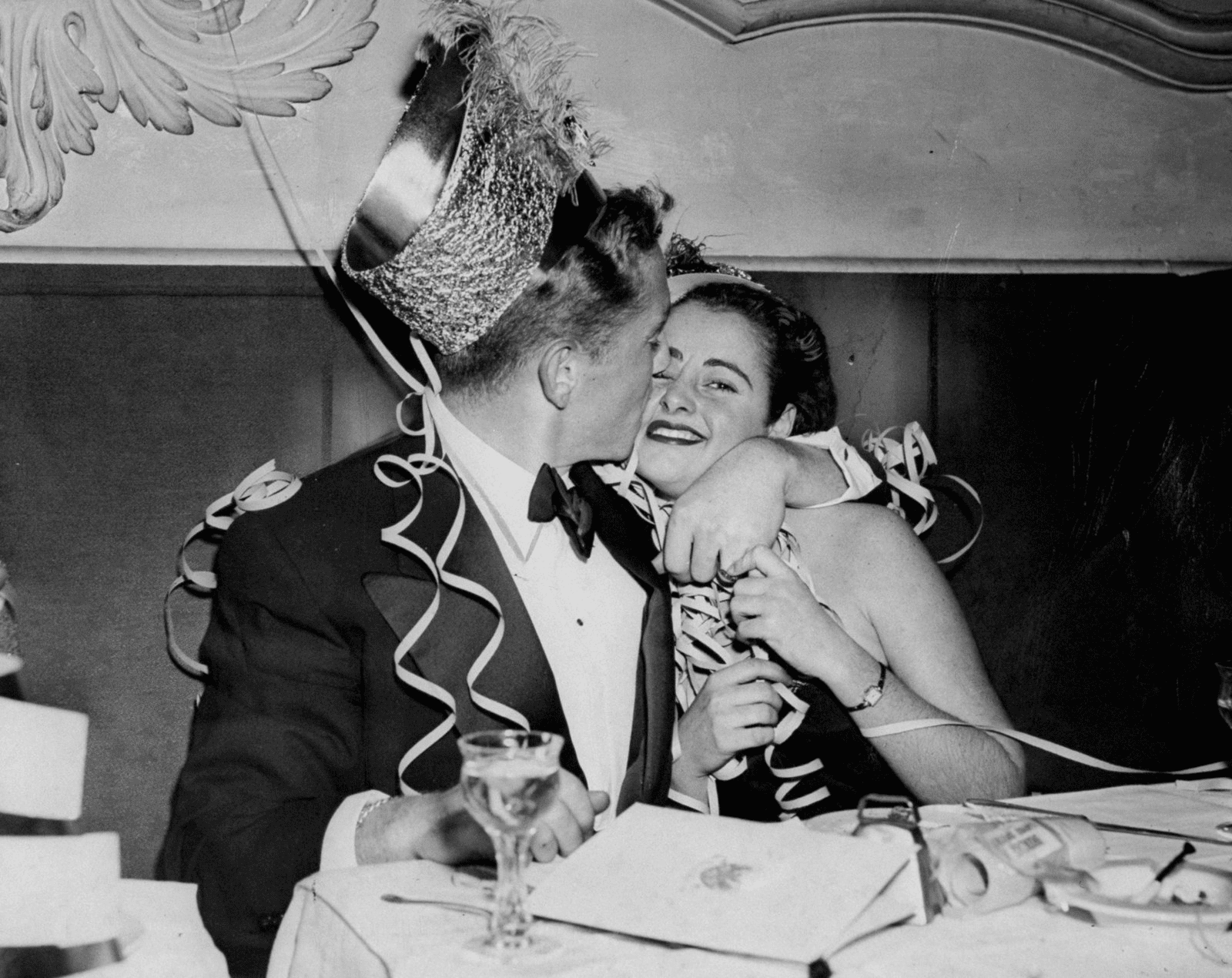

Every year, everyone on Earth anticipates the New Year’s holidays. This is a special time when the entire family gathers and spends time together. Traditionally, people decorate their Christmas trees and homes, prepare a festive dinner and exchange such long-awaited gifts. However, there are some New Year’s traditions that were not always present since they arose in response to the time’s events. Though there are few of them, these customs have influenced our lives so greatly that it is hard to picture life without them. Learn more at i-dallas.
How did Dallas celebrate New Year’s holidays in the 20th century?
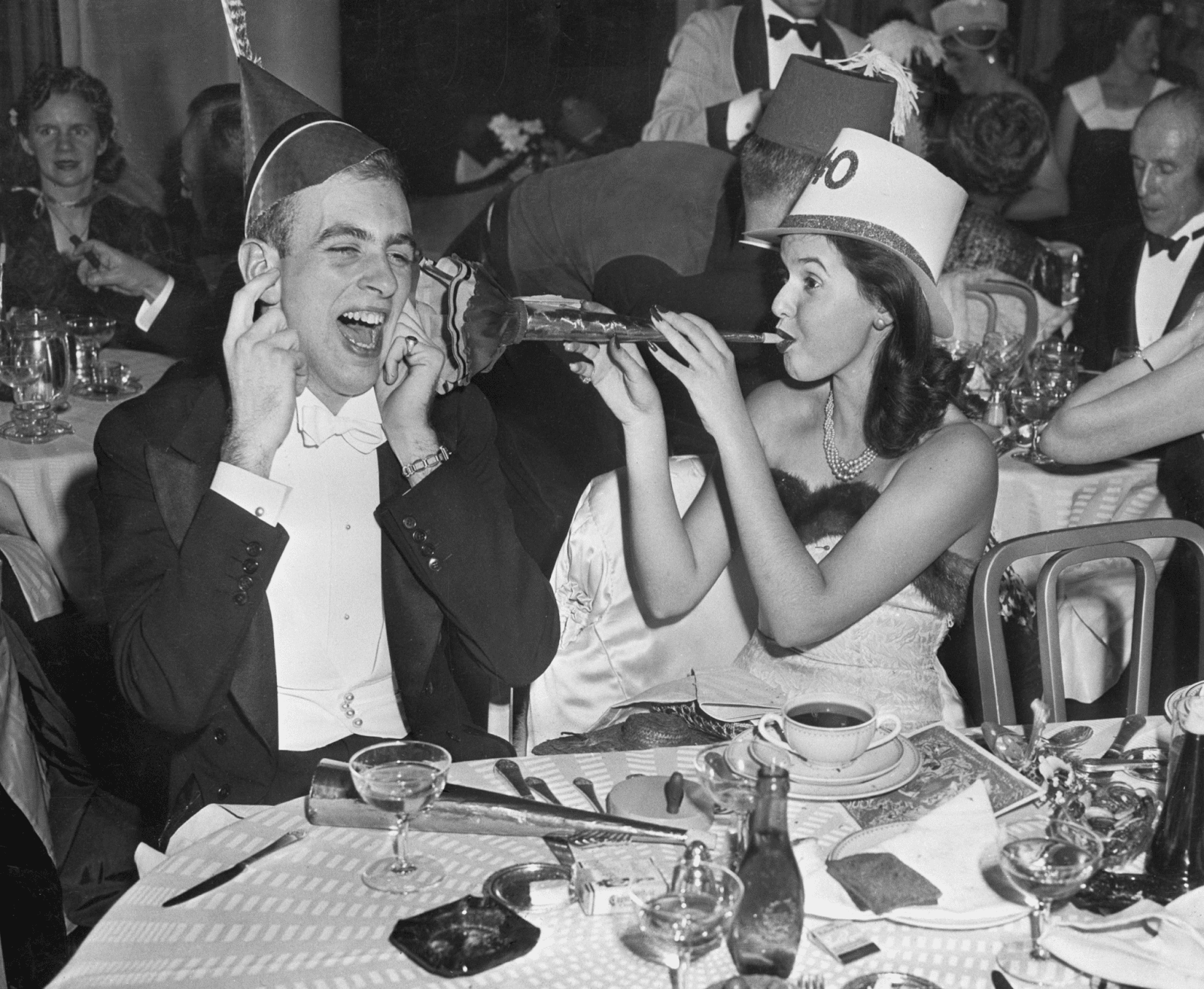
We may claim that people began to celebrate the New Year holidays in Dallas only in the latter half of the 20th century. The first half of the century was overshadowed by the ordeal that befell all Americans in general: World War I, the Great Depression and World War II robbed many people of happy moments. However, when life began to improve, citizens of every American city were determined not to waste a single minute of life.
During the latter part of the 20th century, many from Dallas flocked to the Fort Worth area for New Year’s celebrations since it was the center of the loudest celebrations. Every year, the daily local newspaper Star-Telegram advertised more than ten clubs that hosted the loudest celebrations. During such gatherings, the residents watched the New Year’s concert program, engaged in gambling, ate and drank alcohol.
On the other hand, there was another side to the celebration that was more relaxed and inexpensive: some Dallas residents preferred home gatherings. This was especially true for families who had been waiting for their husbands to return from the war. In this instance, people usually chose to stay at home and spend all of their time with family members.
Why did New Year’s celebrations change in the 20th century?
If you look into the New Year holiday celebrations in further detail, you will notice that changes in celebration traditions have occurred regularly throughout history. Of course, the twentieth century was no exception.
In Dallas, the change in customs and the introduction of new traditions were caused by the development of the economy, industry and urbanization. As these domains developed, so did the New Year’s festivities, which became more elaborate. Every year in the second part of the twentieth century, the financial situation of the townspeople improved, allowing them to decorate their homes, fill the festive table, invite guests and purchase gifts. By the way, it is believed that the majority of New Year’s traditions arrived in the United States with emigrants. For example, the tradition of presenting gifts for the New Year holidays was started by Dutch settlers.
The tradition of holding large parties and fireworks
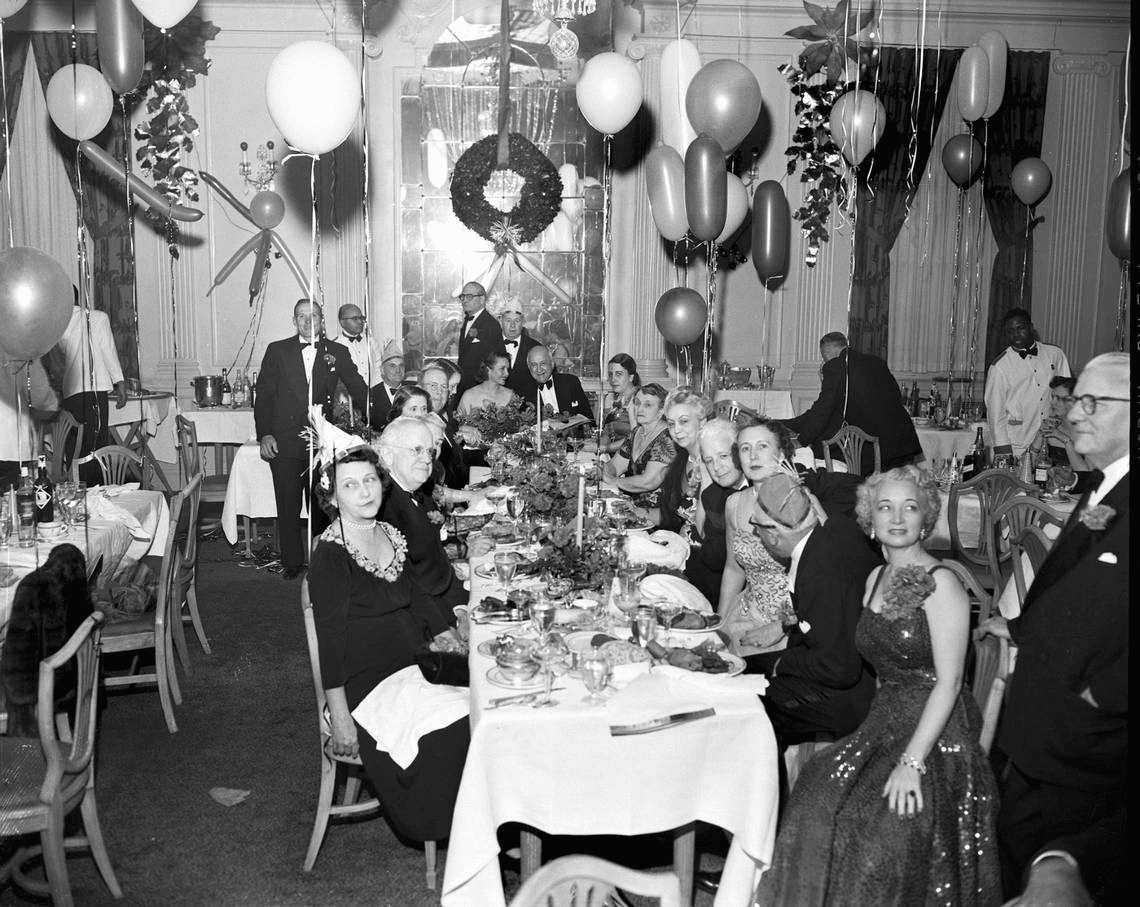
In the twentieth century, several new festive traditions emerged in Dallas. One of them was large-scale public gatherings such as festivals and parties. Previously, the locals rarely came together, believing that it was better to celebrate in the company of those closest to them.
Mass New Year’s celebrations were usually held in the city center and on the West End. Each was accompanied by live music, delectable food and drinks, entertainment and, of course, fireworks. The townspeople’s specific fondness for festive lights in the sky also emerged in the second half of the twentieth century. In addition, both adults and children became frequent visitors to the rinks. This outdoor activity has grown to be an essential component of the celebration, particularly on New Year’s Eve. The rinks were followed by fairs where you could purchase gifts, souvenirs, snacks and hot drinks. Traditionally, fair proceeds were distributed to volunteer organizations or other charitable groups.