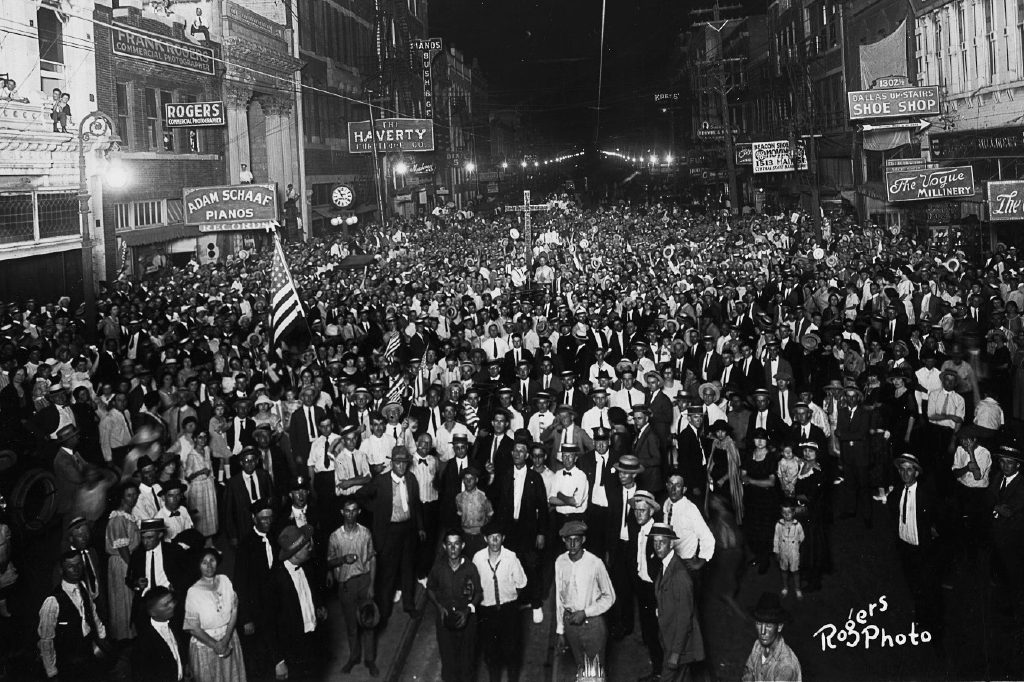

The 1920s witnessed a disturbing rise of racism across American society, largely fueled by the Ku Klux Klan. This clandestine organization spread its hateful ideology nationwide, finding particularly fertile ground in cities like Dallas. Here, the KKK not only recruited thousands of followers but also infiltrated positions of power, undermining the very foundations of democracy. However, not everyone stood idly by. The newspaper The Dallas Morning News bravely resisted this tide of racism, eventually becoming a beacon of truth and justice in the fight against the all-powerful Ku Klux Klan. More on this story at i-dallas.
The Roots of the Conflict Between The Dallas Morning News and the KKK
In the 1920s, The Dallas Morning News was a dominant force in Texas journalism, even surpassing its parent paper, The Galveston Daily News. Its influence was so considerable that even Adolph S. Ochs, the renowned publisher of The New York Times, drew inspiration from its ideas and ideals. The paper was known for hiring only the “most competent men.” Yet, despite its accolades, The Dallas Morning News was engaged in a fierce battle for survival, directly challenging the formidable Ku Klux Klan.
Dallas at the time was a burgeoning city. The Magnolia Petroleum Building, the tallest structure in the South, had just been completed. The city was emerging as a hub for the oil industry, even though major oil fields had yet to be discovered. Cotton remained the primary agricultural crop, and Dallas was the world’s largest inland cotton market. Most residents were tied to agriculture, and the city’s economy largely depended on the activities of farmers.
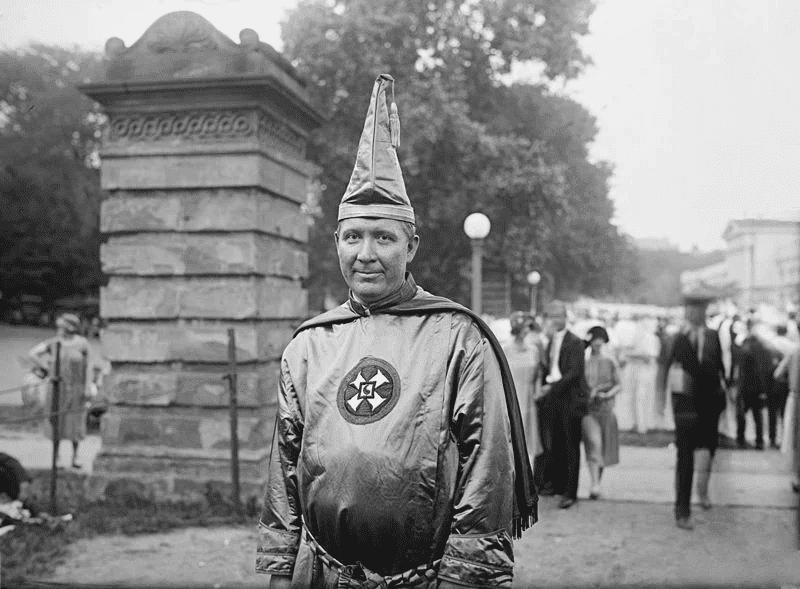
Following World War I, a sense of unease permeated the nation, a sentiment exploited by William Joseph Simmons when he founded a new iteration of the KKK—the Invisible Empire, Knights of the Ku Klux Klan. The KKK rapidly gained popularity, particularly in the South and Midwest. It promoted fundamentalist religious values, patriotism, and white supremacy. In Texas, and especially in Dallas, the KKK found an especially receptive environment for its growth.
In Dallas, the organization known as Dallas Klan No. 66 grew into the largest chapter globally within four years. It actively recruited members from fraternal organizations, law enforcement, small business owners, and Protestant clergy. Its leader was dentist Hiram Wesley Evans. In a city of 160,000 residents, the KKK boasted 13,000 members. This was the highest per capita membership in the country. In fact, nearly one in three adults in Dallas could have been a KKK member.
Despite this widespread support, The Dallas Morning News held a starkly different view of the KKK. The paper considered the organization a threat to representative government and constitutional order. From 1921 to 1924, The Dallas Morning News waged a campaign against the KKK through its news coverage and editorials. The KKK retaliated with a devastating economic boycott, targeting not only the newspaper but also its advertisers. They also spread rumors that the paper was allegedly controlled by Catholics, whom the KKK viewed as a particular threat.
The Brutality of the Secret Organization KKK
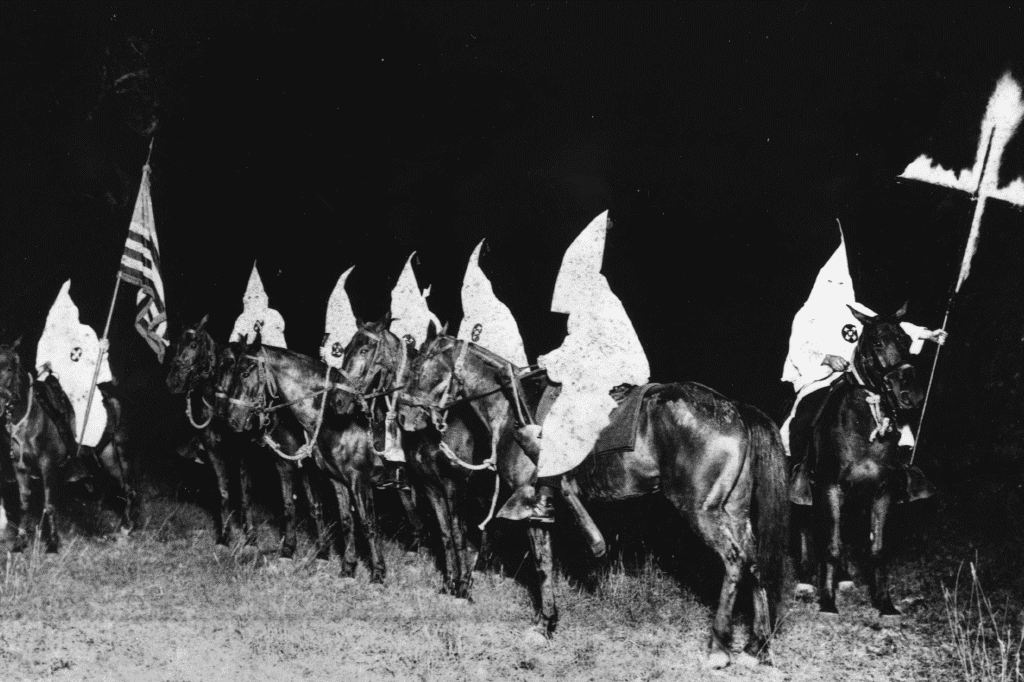
The activities of the Ku Klux Klan in Dallas were appalling, as vividly demonstrated by a report from The Times Herald on April 2, 1921.
The newspaper described an incident where Klansmen abducted an African American elevator operator from the Adolphus Hotel, beat him, and burned the letters “KKK” into his forehead. Police officers, when approached, expressed no concern, and Sheriff Dan Harston even stated that the victim deserved it. It was later revealed that Harston himself was a member of the KKK.
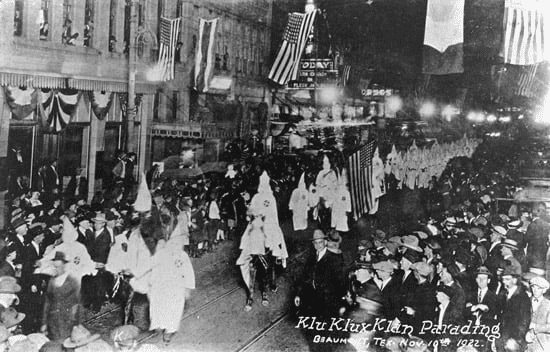
Only six weeks later, after a public KKK demonstration in downtown Dallas, The Dallas Morning News began its crusade. Under the cover of darkness, a procession of 789 masked Klansmen marched through the streets with flags and burning crosses. They carried signs with slogans like “White Supremacy” and “100 Percent Americanism.” The Dallas paper condemned the march and called for a grand jury investigation into the KKK’s actions.
Thus, the confrontation between The Dallas Morning News and the Ku Klux Klan gradually escalated into a full-blown war. Despite the KKK’s broad support among clergy and law enforcement, The News continued to expose the secret organization’s violence. The newspaper reported on every instance of Klan violence nationwide, enraging KKK members.
The Philip Rothblum Case
The case of Philip Rothblum became a stark example of the Ku Klux Klan’s lawlessness and a turning point in public resistance in Dallas. In March 1922, Rothblum, a picture framer, was abducted and brutally beaten by Klansmen. This incident was particularly shocking because Rothblum recognized one of his attackers as a police officer he knew. This fact pointed to the Klan’s deep infiltration into the city’s law enforcement, undermining trust in the justice system.
It was this audacious act of violence and its connection to the police that provoked a decisive reaction from District Attorney Maury Hughes. Although Hughes himself was a KKK member, the Rothblum incident so outraged him that he resigned from the organization. Even more, he made the brave decision to prosecute the Klansman officer. Rothblum, who had left the city with his wife after the beating, was persuaded to return to testify before a grand jury and in criminal court, but only on the condition that he be provided armed protection.
Despite Rothblum’s undeniable identification of the police officer, the jury acquitted him in their initial vote. This verdict, which shocked many, became a catalyst for prominent Dallas residents. They realized it was time to publicly oppose the Klan. The Dallas Morning News issued a call to non-Klan citizens for a mass meeting the following Tuesday evening.
As a result of these events, the Dallas County Citizens League was formed. This league openly condemned the KKK as un-American, reiterated the demand for the resignation of all public officials belonging to the secret organization, and elected Martin M. Crane, a former lieutenant governor and former attorney general of Texas, as its chairman. A public campaign against the secret organization unfolded: anti-Klan speeches were held, and pamphlets were printed and distributed. However, despite widespread publicity and organized efforts, the results did not meet expectations. Four days after the league’s founding, 2,342 new members registered at a KKK mass meeting, and a few months later, about 3,500 more new Klansmen were sworn in at Fair Park.
The Cost of Fighting the Ku Klux Klan for The Dallas Morning News
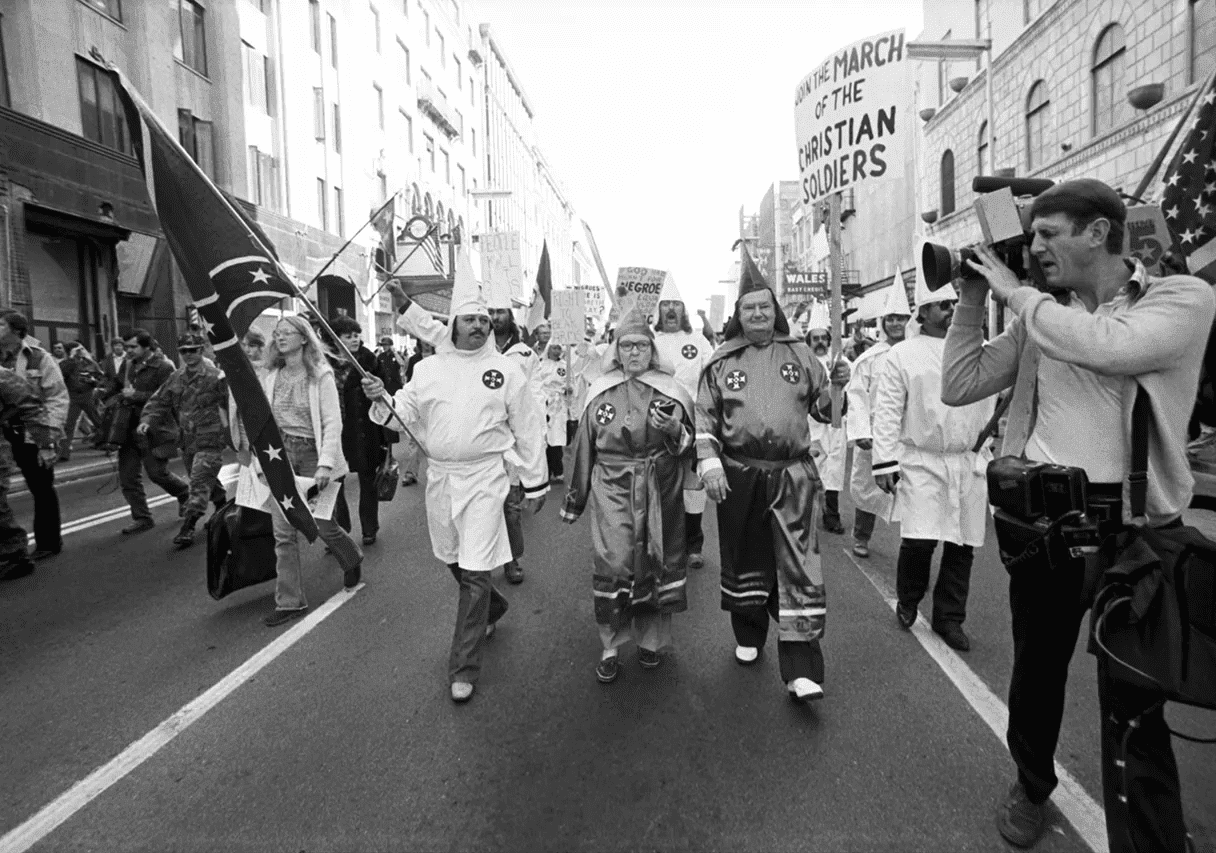
The Ku Klux Klan significantly impacted The Dallas Morning News’s financial standing. By the end of 1922, the newspaper’s circulation had dropped by 3,000 copies, directly affecting its revenue. To pay an 8% dividend to major shareholders, existing cash surplus had to be used. There was a real fear that the KKK’s threat to bankrupt the Dallas newspaper might actually materialize.
During this challenging period, other Texas newspapers capitalized on The Dallas Morning News’s difficulties. For instance, The Star-Telegram offered annual subscriptions to all clergy at a reduced price. Publications like The El Paso Herald, The Amarillo News, and Capper’s Weekly also made special offers to attract as many readers as possible.