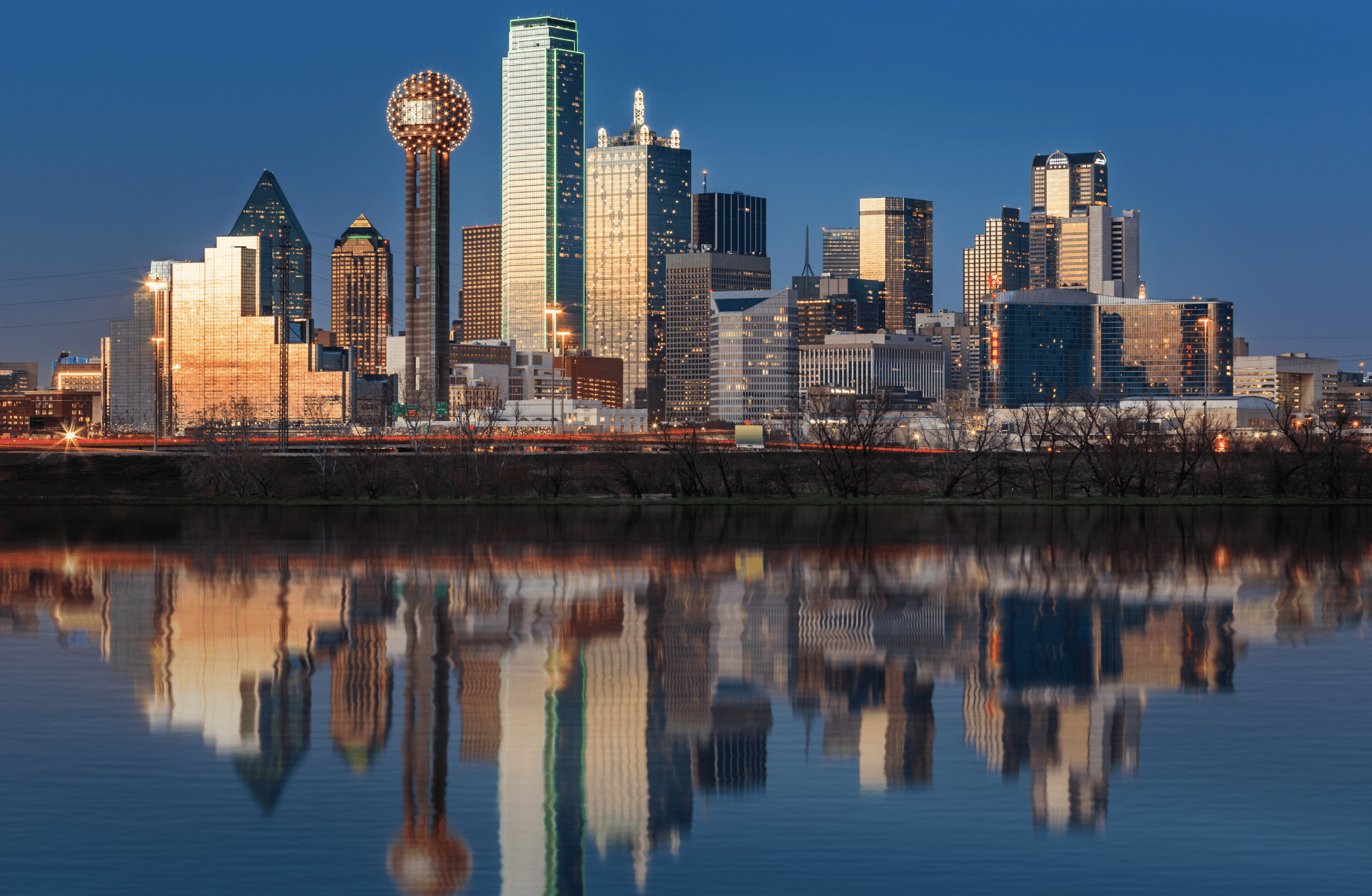

For years, addiction in Dallas has grown like a quiet storm. At first, it was prescription pills being passed around in high schools and tucked into medicine cabinets. Then came heroin, sneaking in like it always does. But fentanyl? Fentanyl hit Dallas like a freight train with no brakes. And if you talk to anyone who’s lost a friend, a sibling, or a son to it, you know—this isn’t a drug problem anymore. It’s a life problem. It’s the sound of a generation gasping for air, and not everyone is making it to the surface.
The truth is, Dallas is drowning. And what’s been done so far hasn’t pulled people out of the water. But something’s starting to shift—not in Washington or Austin, but right here on our own streets. You might not see it on billboards or city council agendas, but it’s there. Quiet. Real. And for some, it’s the thing that’s keeping them alive long enough to come back home.
The Fentanyl Flood Isn’t Slowing Down
If you’ve ever talked to a paramedic in Dallas County, you’ll hear the same story told in different ways. They carry Narcan like it’s water. They stop counting overdoses mid-shift because there’s no point. Fentanyl isn’t just another drug—it’s something entirely different. It’s cheap, it’s everywhere, and it’s strong enough to kill someone off a half-pill they thought was something else.
Kids are buying fake Percocets off Snapchat. Adults are picking up what they think is oxycodone just to take the edge off, only to collapse five minutes later. Dealers don’t care. Most of them don’t even know what’s in the stuff they’re selling. It’s all about the cut, not the consequence.
What makes fentanyl especially dangerous in Dallas is how invisible it can be. You can’t always tell who’s using. It’s not always the stereotype you’ve got in your head. Teachers. Coaches. Moms. People with good jobs and health insurance. They’re all getting caught in this thing, and the city’s been slow to catch up.
How the Old Rehab Model Is Failing People
For decades, the rehab system in Texas followed the same script. Get clean. Go to a group. Stay sober. Repeat. But the problem is, that script was written before fentanyl came into the picture—and way before we started to understand how deep trauma and mental health play into addiction.
What happens to someone who checks into a center, spends 30 days drying out, and then walks out the door with no job, no ride, no support, and nowhere to live? It’s not a recovery. It’s a countdown. That’s the harsh reality a lot of people in Dallas are dealing with—especially those who don’t have family to fall back on or who’ve burned too many bridges along the way.
You can’t just treat addiction like a 30-day flu. It’s not a virus. It’s a condition that takes time, space, and human connection to even begin healing. And without that, people just go right back to what they know—because even fentanyl feels more predictable than an empty life.
That’s why homelessness in Dallas is so tangled up with addiction. People aren’t always living on the street because they started using. Sometimes, they’re using it because they’re already out there with nothing but a backpack and a memory of what life used to be.
One Shift That’s Actually Working
Here’s what’s beginning to change—and it’s something people outside the recovery community might not see yet. Instead of just focusing on getting people clean, some places are building whole systems around keeping them alive and helping them stay connected. That means longer programs, second chances, and treatment that doesn’t end when the insurance money runs out.
It means centers that don’t just detox you and send you packing, but actually help you find a job, set up housing, and walk through the mess of starting over. Whether that’s Willow Springs, Turning Point Recovery, The Freedom Center or anything in between, the places making a difference are the ones that treat addiction like a human issue—not a character flaw or a criminal offense.
Turning Point Recovery in particular has started getting attention from people in the local health scene for how they’re handling long-term care. They’re not interested in churning people through the door. They’re focused on relationships. Accountability. Building actual community around recovery. And it’s working—not in flashy numbers or viral headlines, but in the small wins. A man getting his kids back. A woman celebrating six months clean for the first time in her life. These are the things that stick.
Recovery Doesn’t Happen Alone
Ask anyone who’s been through it, and they’ll tell you: getting sober is hard. Staying sober? Even harder. Especially when you come back to the same environment, the same people, the same pressures. That’s why community matters so much. People need somewhere to go. Someone to call. Something to believe in again.
Dallas has always been a city built on grit, on hustle. But when it comes to recovery, what people need more than grit is grace. A shot at starting over, even after they’ve messed up. Especially after they’ve messed up.
That’s what this new wave of recovery centers is starting to understand. It’s not about perfection. It’s about connection. It’s about staying alive long enough to want something better—and then having someone there when that moment finally comes.
Where Dallas Goes From Here
We can’t arrest our way out of fentanyl. We can’t rehab our way out in 30 days, either. What we can do is change the way we see people who are struggling. We can build systems that actually give them a shot. And we can stop pretending this isn’t happening all around us—because it is. At bus stops. In break rooms. In high schools. In churches. In every part of the city.
The good news? The shift is already happening. Quietly. Steadily. One person at a time.
Sometimes, the only thing standing between someone and their overdose is a second chance. Dallas still has time to give them that.