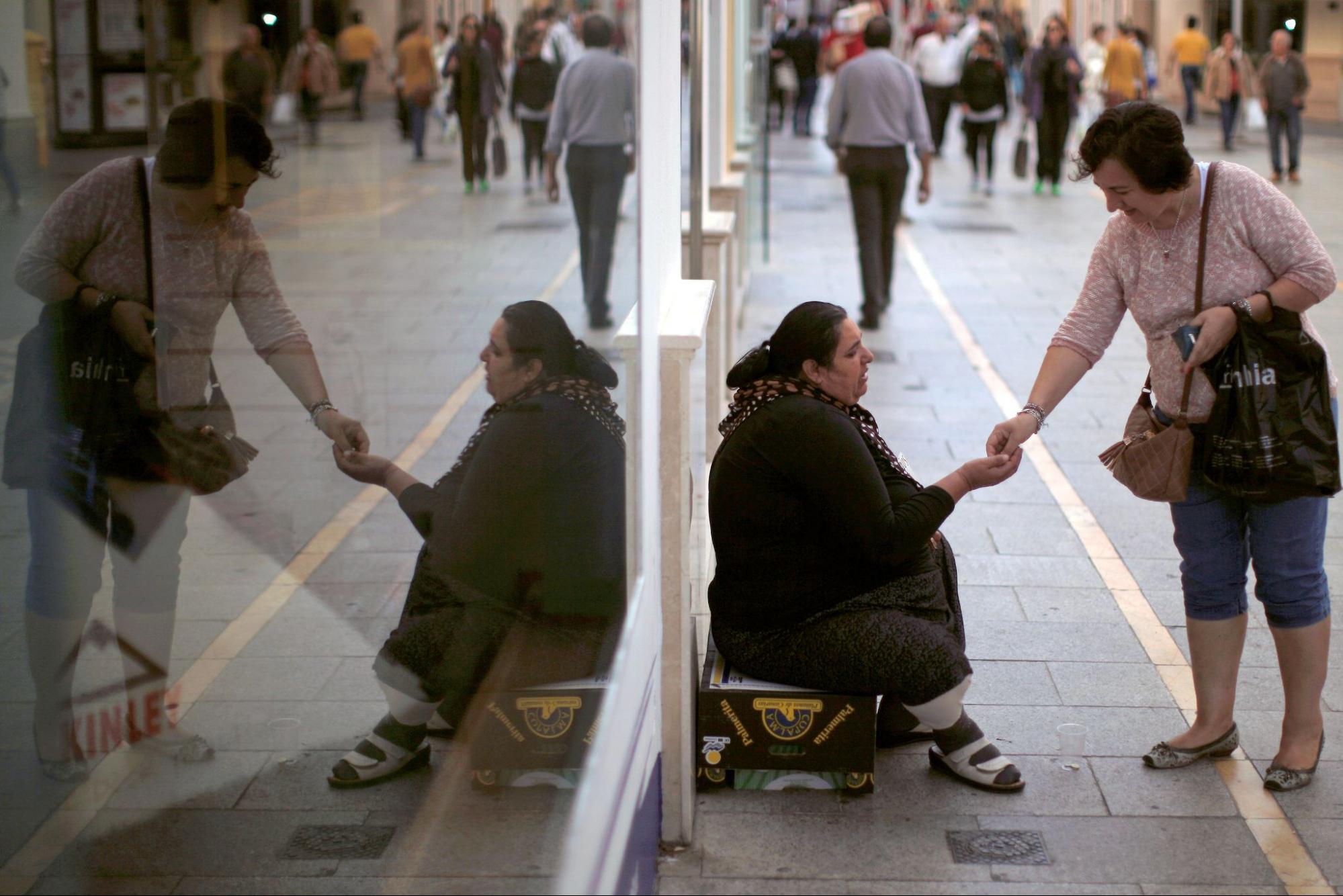

One of the most pressing issues in the state of Texas is the problem of homelessness. There are approximately 26,000 homeless people, and the majority live in Dallas. Despite a relatively high standard of living, the number of beggars on the streets of this city is rapidly increasing. The reason for this was the spread of addiction to alcohol and drugs. The cases of severe mental illnesses and the lack of affordable housing for low-income individuals aggravate the situation. Read more at i-dallas.
The number of beggars on the streets of Dallas
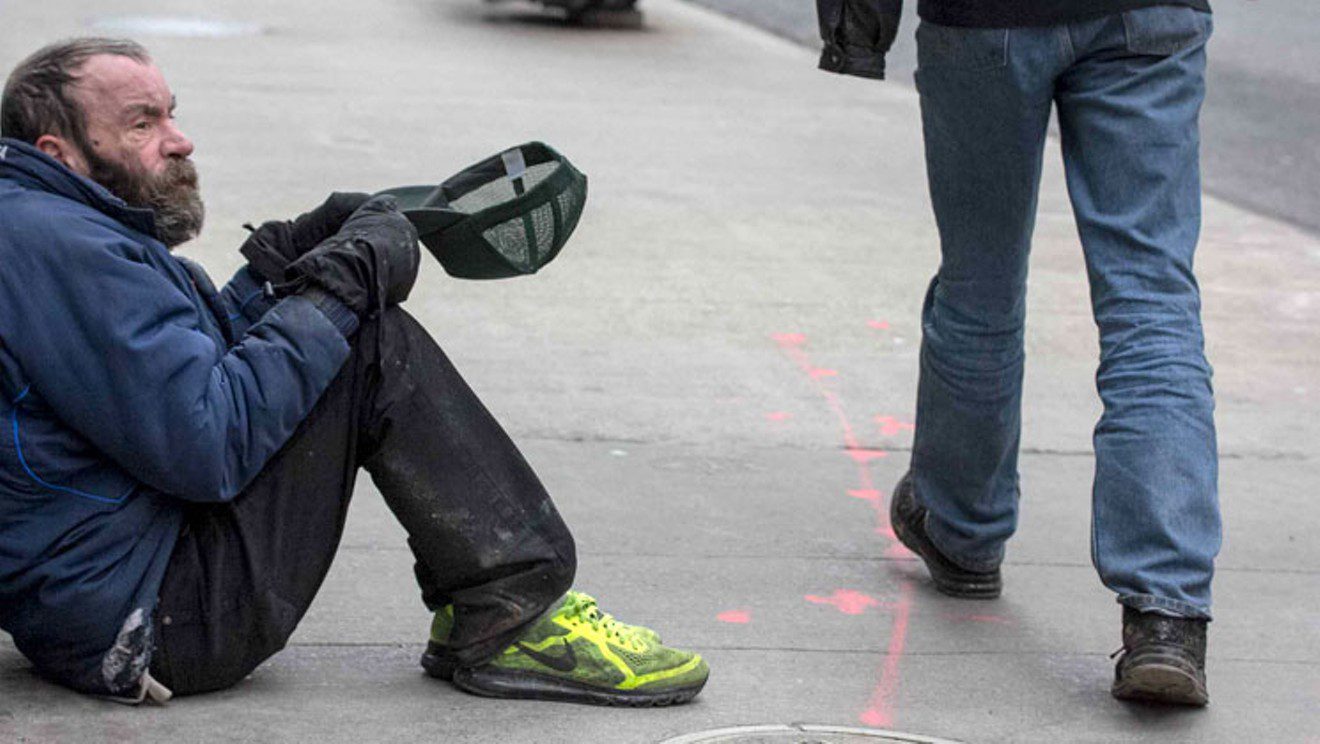
According to the McKinney-Vento Act, anyone who lacks a permanent place to stay overnight is considered homeless. This means that all those who do not know where to stay for the night can be qualified as beggars. This includes those who stay in motels due to difficult life circumstances, including financial hardships. By preliminary estimates as of June 2023, there are over 5,000 such individuals in Dallas. Although this number is lower compared to 2015 when it exceeded 10,000 people, it is still significant.
Sociologists from the Meadows Mental Health Policy Institute claim that 40% of the homeless population in Dallas have incurable mental illnesses. Only a few have congenital defects, while the majority get sick due to substance abuse. It is extremely difficult for such people to find work or even rent housing. That is why they continue to lead their usual lifestyle, and it is almost impossible to break this circle.
Anyone who lets things slide and indulges in harmful habits, risks ending up at the very bottom. However, some segments of the population face financial problems more frequently. For example, this often happens to dark-skinned people. They make up 60% of the total homeless population in Dallas. Minority representatives suffer from discrimination and many other problems.
Left on the streets without food, clothing and money, homeless people have only one option – to beg. With this small material aid, they manage to survive in a city as large as Dallas.
The activities of the Dallas police and authorities regarding the homeless
The city authorities are making every effort to solve the problem of lack of affordable housing and have achieved some success. In 2016, Dallas Mayor Mike Rawlings was able to find housing and jobs for several hundred homeless people. Unfortunately, the overall situation remained unchanged after this.
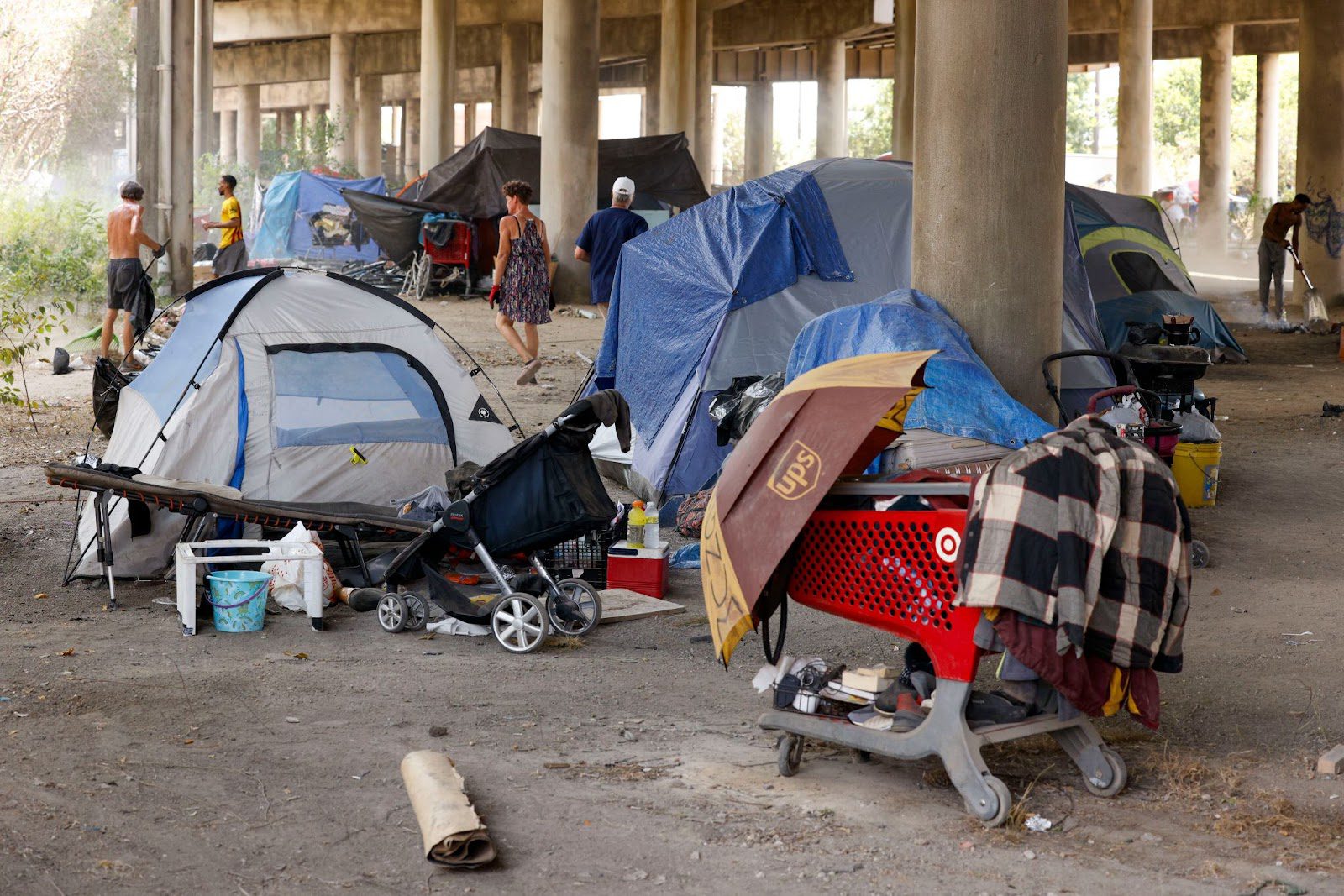
Police officers continue to deal with the homeless every day. They prohibit begging on the city streets and regularly check the areas where homeless camps are located. These are often referred to as tent cities. The homeless choose places slightly further from the main streets to set up their temporary shelters. They build their tent sites out of anything they find in the dumps. The same goes for food, which attracts rats and other rodents.
In Dallas, there are homeless camps in every district of the city. The largest ones are situated right in the downtown area and on the land near Malcolm Boulevard.
In 2024, the Dallas city government established a special commission on the issue of homelessness. It is engaged in studying urgent problems and finding ways to address them. However, things progress slowly, and thousands of people are still in despair. Shelters for the homeless requested $500,000 in funding but did not receive it. This provoked many disputes on social media, as similar amounts are regularly allocated for less critical needs.
City shelters for the homeless
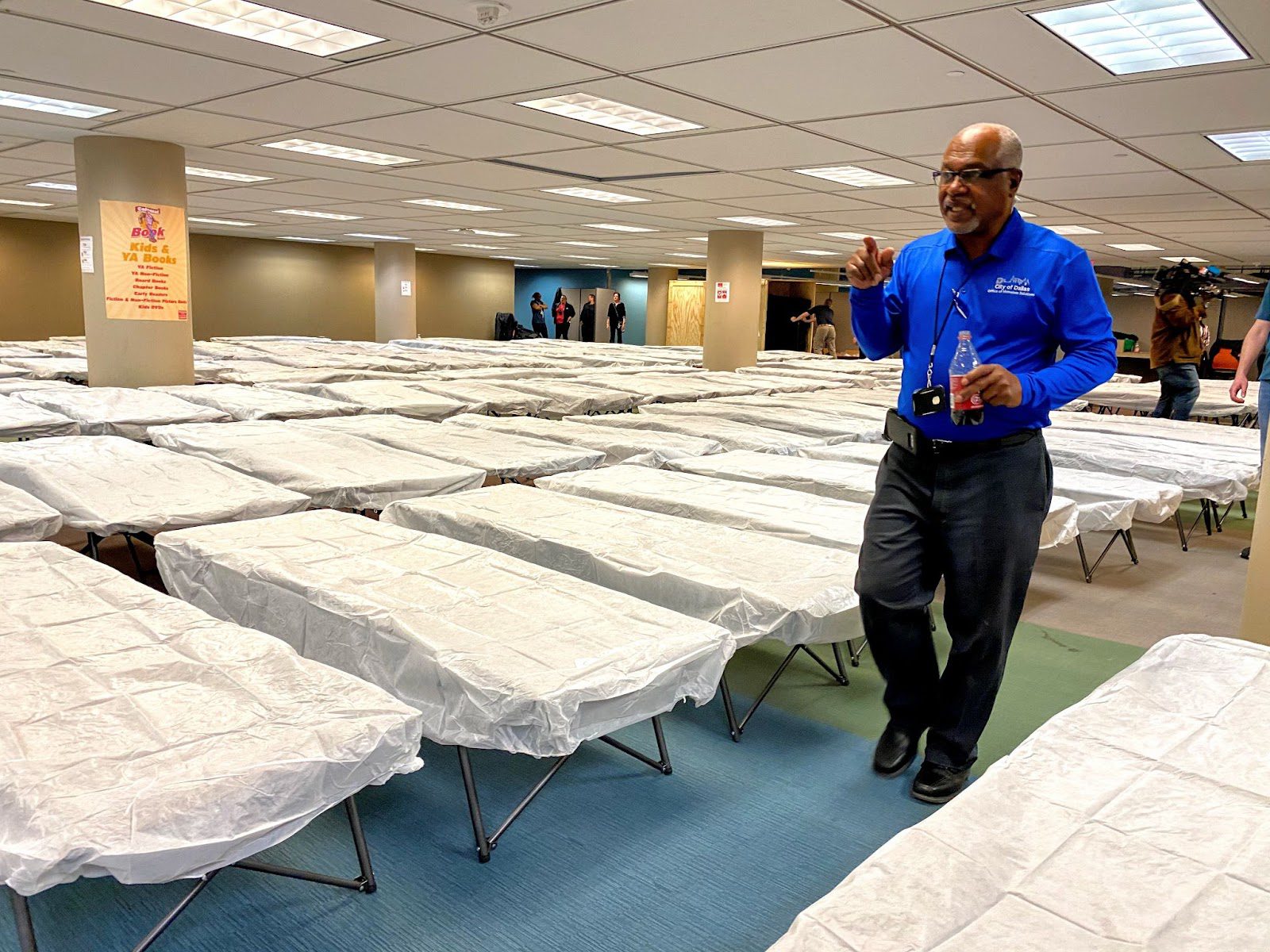
There are dozens of homeless shelters in Dallas. They are constantly on the verge of closure due to insufficient funding. The largest ones include:
- Jacob’s House
- Austin Street Center
- Second Chance Center
- Turtle Creek Recovery Center and others.
Each of the city shelters provides temporary shelter, full meals and medical care to vulnerable populations. Volunteers actively help those interested in changing their lives by finding centers where they can undergo treatment to overcome alcohol and drug addictions.
They also help with a job.
In Dallas, there are shelters and centers that provide help (especially psychological) exclusively to women and children. Cases when women find themselves homeless with young children and even newborns are also common in the modern world. They should also be able to get help from caring individuals and competent specialists.
The Museum of Street Culture in Dallas: Activists find work for the homeless and shed light on their lives to the public
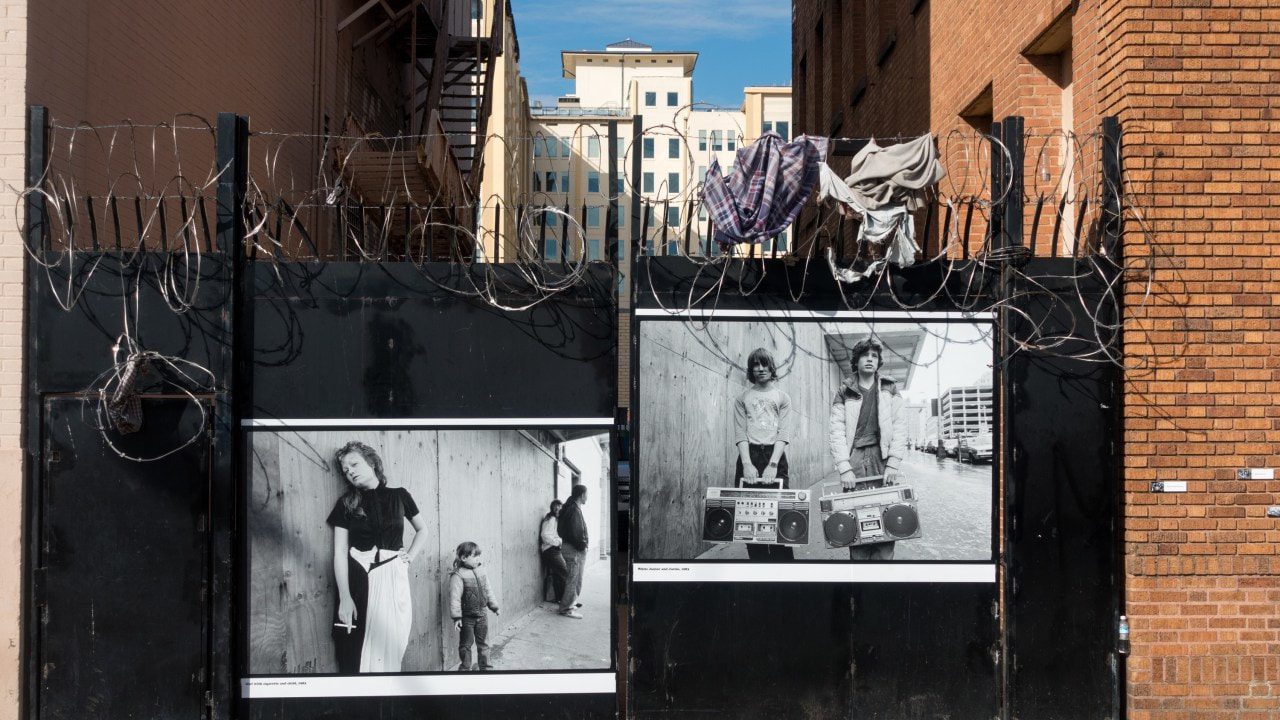
In 2018, the Museum of Street Culture was opened on Park Avenue in Dallas. This location was chosen because it is considered one of the most depressing areas in the city. Additionally, the Stewpot homeless shelter is located right across the new facility.
On its opening day, the museum attracted the attention of hundreds of residents. The main reason for this was an incredibly moving photo exhibition featuring images of the daily struggles of the homeless. The majority of the beggars in the photos were dark-skinned. Besides ordinary citizens, dozens of homeless people also gathered on Park Avenue, some of whom were in the photographs.
The founder of the Museum of Street Culture, Alan Govenar, aimed to publicly state that the issue of extreme poverty has been and remains relevant throughout history. According to the evidence he managed to gather, poor peasants were forced to roam the world starting from the 15th century, thus giving rise to the first homeless individuals. The next difficult historical stage for beggars was the beginning of the 20th century when their way of life was labeled as “vagabonding” and was romanticized for unknown reasons. As a result, nobody cared about people who didn’t even know where they could spend the night. Alan Govenar concluded his exhibition by presenting images of homeless people today.
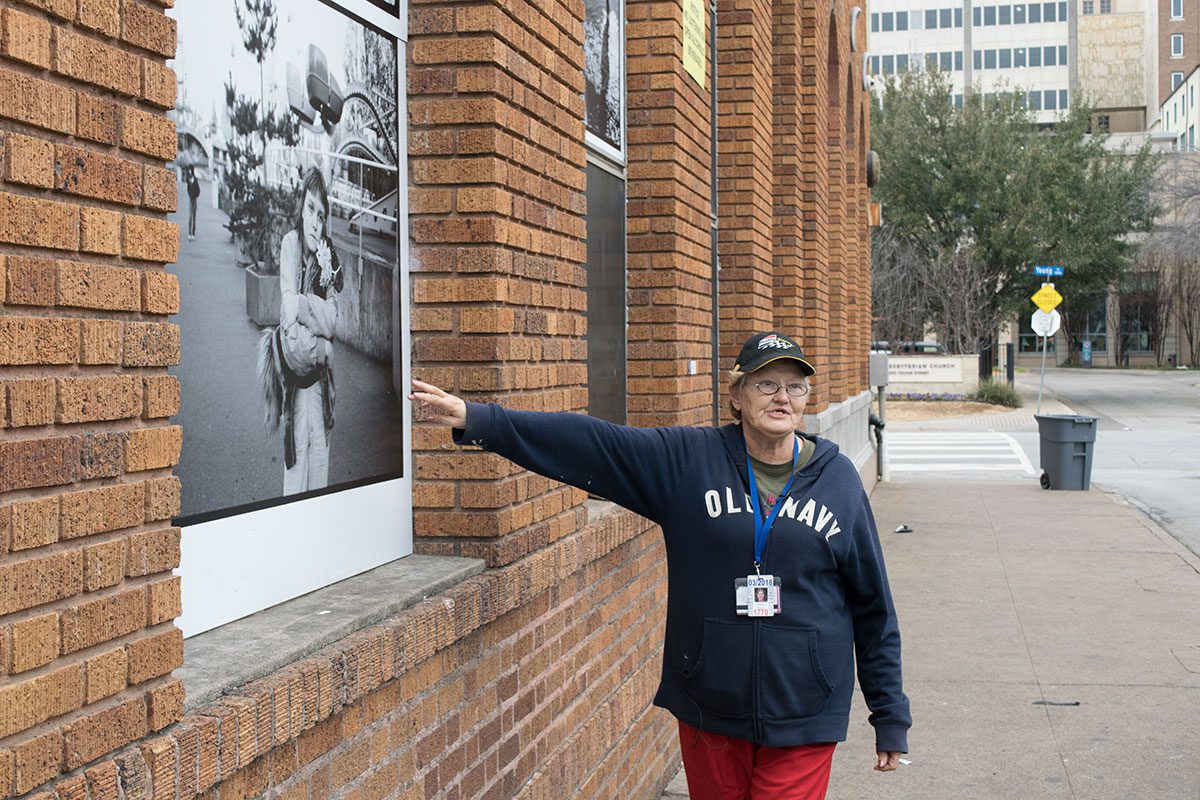
A few months after the opening of the museum, Govenar allowed beggars to work at the establishment and earn money. He decided to invite homeless people to be tour guides. One of these workers was a 40-year-old Misty. The museum owner had known her for a long time and even had her teenage photos. He presented them at the exhibition and offered Misty to share her life story with visitors. She gladly agreed, just to get some kind of job. She honestly told visitors about how she ran away from her parents at the age of 13 and went on the racket. Earning money at the Museum of Street Culture, Misty slowly began to fit in with the rest of civilized society. She got rid of harmful habits and drug addiction, bought new clothes and started looking for rented accommodation.
The Museum of Street Culture in Dallas became the first program of its kind to change the lives of several layers of the population. Its exhibitions changed the perception of ordinary citizens. They began to think about how terrible it is to be at the very bottom. The museum also encouraged homeless individuals to move forward and not be afraid to seek help.