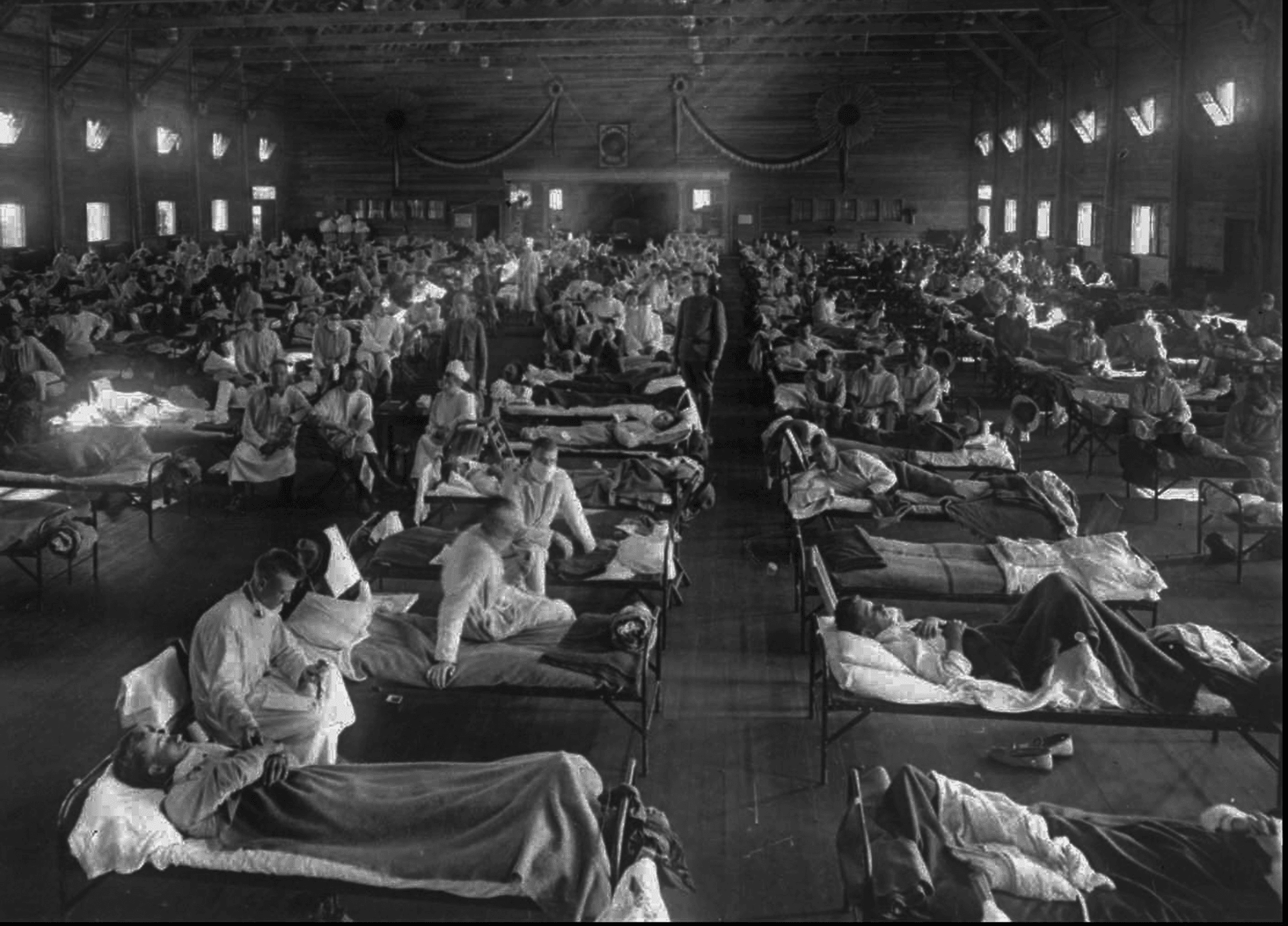

In 1918-1919, an epidemic of a deadly disease, later called the Spanish flu or “Spanish influenza,” swept the world. One in three people on the planet contracted it, and 20 to 100 million people died. Why such a wide scale? Because information about the pandemic was limited due to strict censorship during World War I. However, Spain, which remained neutral, was the first to cover the events in the press. Since it was the only country to report the disease, it was mistakenly believed that the virus spread from here, so the flu was called the “Spanish flu.” But thanks to these records, it was possible to study the disease that had spread all over the world. Learn more at i-dallas.
The first outbreaks of the disease
This strain of influenza was special because it caused the highest mortality rate among young people aged 20-40. Absolutely healthy people could die in 1-2 days after the first symptoms appeared. The first outbreaks of influenza were found in military camps and among railroad workers who served as the main transportation between these camps.
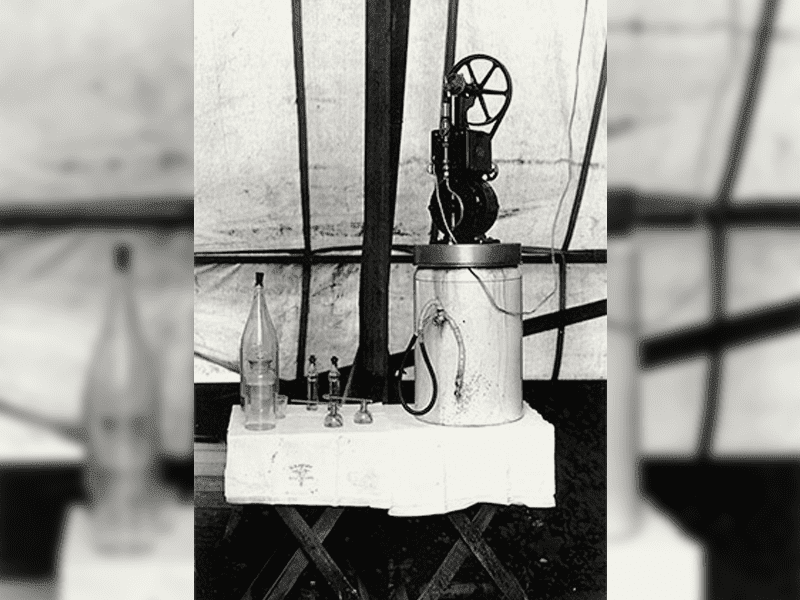
One of the military camps, Camp John Dick, was located in Dallas Park. The first cases of influenza were reported in the summer of 1918. Tents were set up at St. Paul’s Hospital to isolate sick soldiers. Similarly, newly arrived soldiers were sent to isolate themselves in separate tents in the camp until it was determined that they were healthy. The camps banned mass gatherings in the theater, billiard rooms or dances. Those soldiers who left the camp on official business had to be examined by a doctor and have their throats treated with argirol upon their return.
The beginning of the epidemic in Dallas
When Dallas residents heard about the disease spreading across the United States, they began to show concern. But then the city’s chief physician, A. W. Carnes assured them that the overall situation in the city was calm, and the new disease was no worse than the common flu.
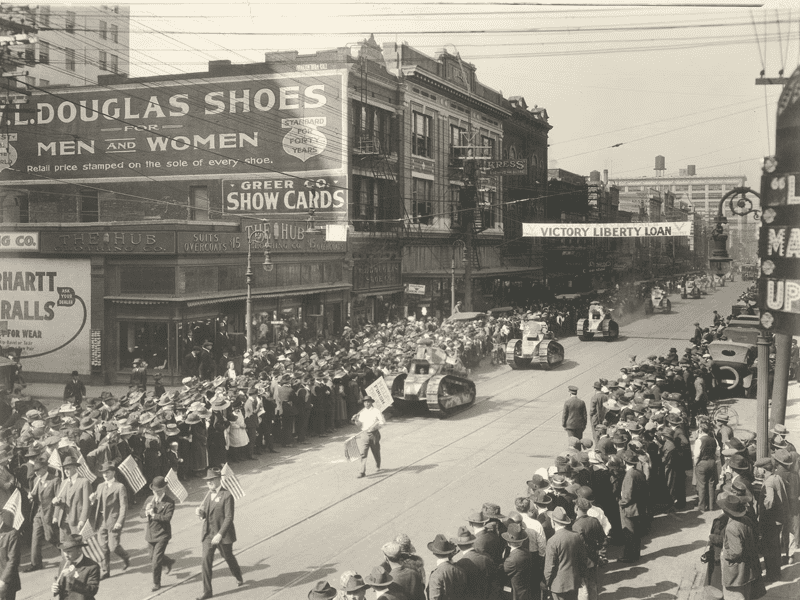
At that time, viruses were still poorly researched and doctors did not fully understand how they affected people. Dr. Carnes himself belonged to the generation of doctors who believed that tuberculosis could be cured by fresh air. Therefore, without noticing the impending danger, the Dallas Chief Medical Officer gave permission to hold the Liberty Loan parade on September 28, 1917, which was organized to raise funds for military needs.
Thousands of people gathered at one event and, of course, the flu spread rapidly among the population. The number of new cases grew exponentially, but the Dallas authorities, like Carnes, were hesitant to ban public gatherings.
As of October 3, 119 cases of influenza had been detected and one person had died from the Spanish flu. He was a 15-year-old teenager, Pierpont Balderson, who died in St. Paul’s Hospital on September 30.
Attempts to prevent the spread
The first institutions to try to prevent the spread of the flu were hospitals. They stopped letting visitors in to protect weakened patients from the virus.
At this time, George W. Simmons, director of the Southwest Department of the Red Cross, sent a request to the local authorities to create a group of volunteers to help cope with the growing number of cases. All nurses, including those who had retired or were on leave, students, and others who were at least partially involved in medicine were recruited. At Parkland Hospital, an infectious disease unit was set up in the basement to isolate patients with the flu.
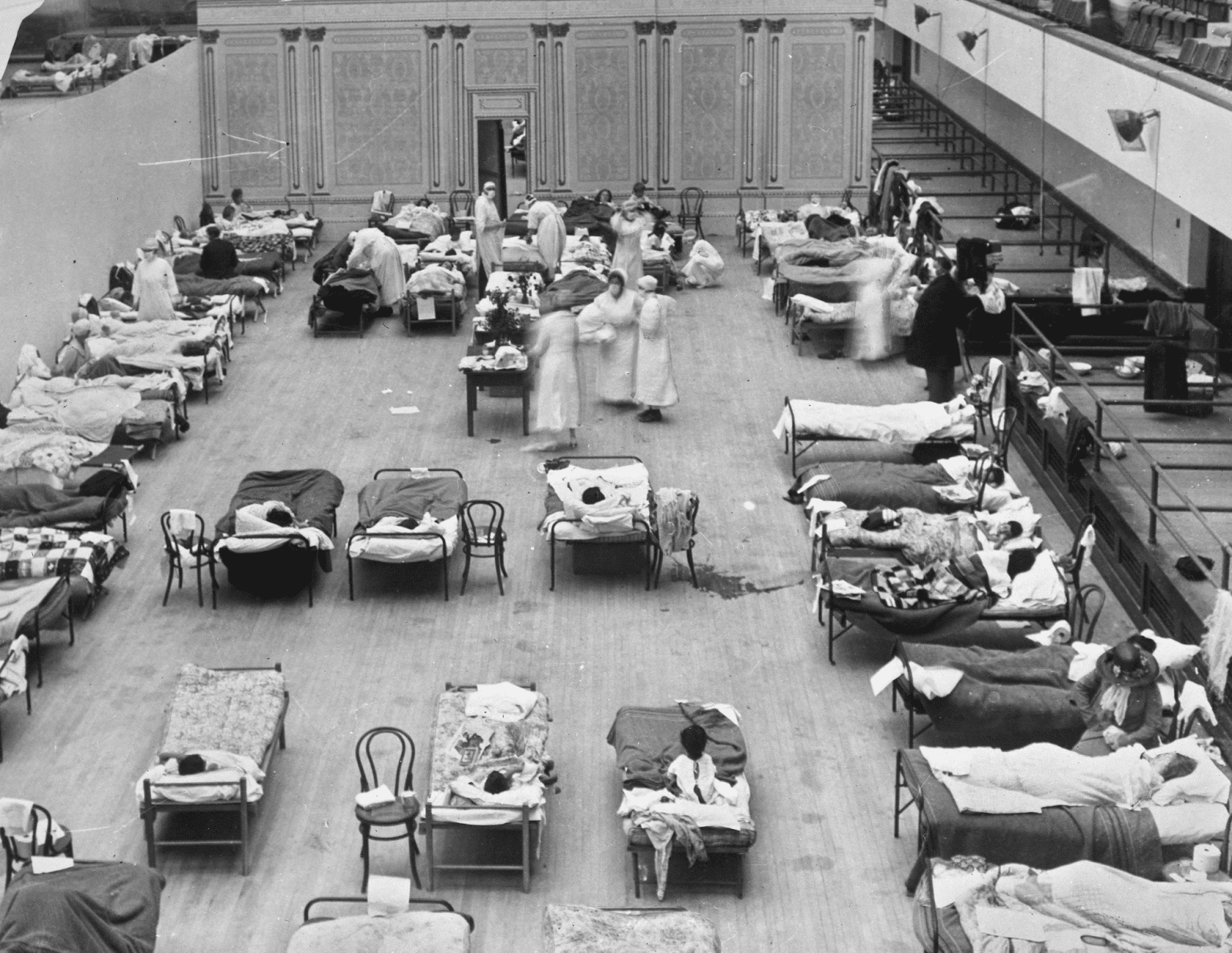
Residents were urged to pay more attention to cleaning their homes and enterprises to prevent the spread of the virus. As of October 10, there were already more than one thousand registered cases in the city. All hospitals in the city were so overcrowded that patients who were gradually recovering were placed in the corridors to free up wards for seriously ill patients. Then the mayor ordered the closure of theaters and other entertainment venues while doctors were obliged to report cases of flu. Schools were still open, as it was believed that children would be better off in well-ventilated classrooms than in dirty homes or on the street. However, when signs of illness were detected, students were sent home.
As the number of cases grew daily, Dallas residents began to demand more action to stop the epidemic. Eventually, all public and private schools, as well as churches and other public places, were closed. However, these measures were taken rather late. When Dallas officials issued the full closure order, the city had about 3,000 detected cases.
The chief medical officer also asked the Dallas Railway Company to disinfect trams daily and to control the occupancy of public transport by the number of seats. During rush hours, they had to increase the number of cars on the routes.
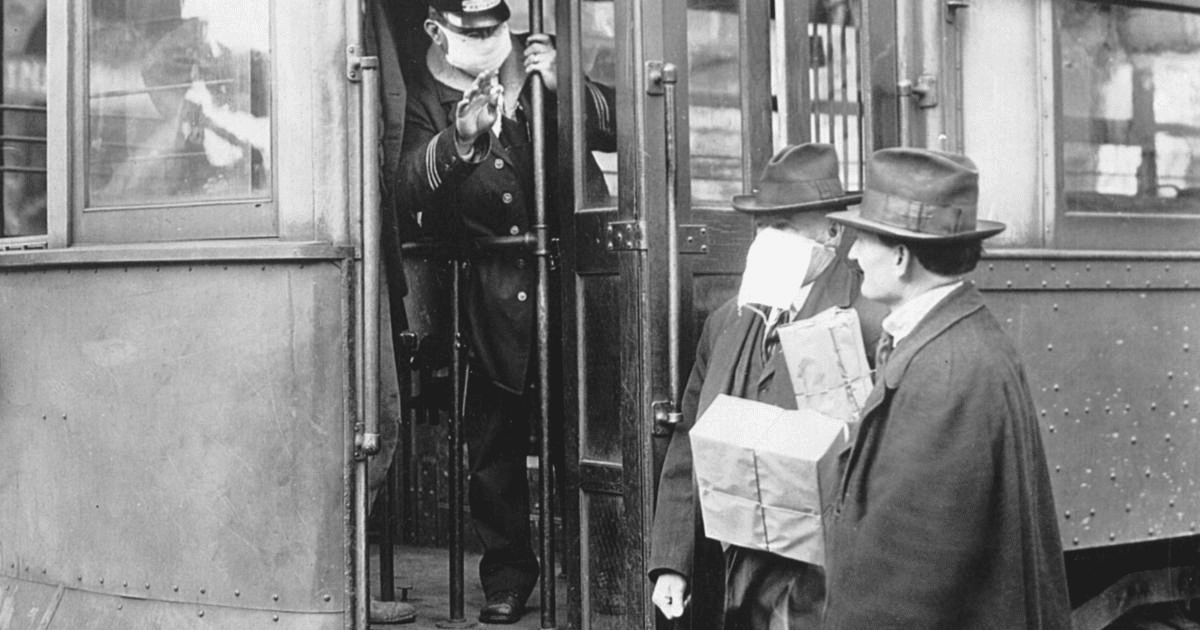
People were urged to cover their mouths when coughing or sneezing, wear masks and wash their hands more often. Also, posters were put up on the streets prohibiting spitting in public. The mayor of Dallas ordered the streets to be cleaned every night and he asked store owners to wash sidewalks.
Activities of volunteers and nurses
While the authorities called for preventive measures, medical volunteers and nurses had to deal with the consequences of the delay in the introduction of lockdown.
The workload in hospitals exceeded the capacity of the staff. Nurses were also affected by the virus. Volunteers from the Dallas branch of United Charities were also engaged to help poor families. For example, there was a family where the father worked during the day and took care of his sick wife and children at night until he fell ill. On another occasion, the organization helped a family of Mexican origin, consisting of 9 people, all of whom fell ill. Three of them were in extremely serious condition due to pneumonia. The family had no money to pay the rent and the landlord threatened to evict them. Volunteers paid the rent and helped with food and medicine.
By the way, the city’s African-American community suffered the most, as few nurses were willing to work in these neighborhoods. So Carnes appointed a black nurse to take care of these residents, many of whom did not even have beds and linens, let alone pay for medical care.
The second wave
The second wave of infections occurred in December. Therefore, Mayor Lawther warned that safety measures should be continued to prevent the city from another lockdown. Although there were about 80 deaths from the flu, the overall situation was better than in October. At the time, Dr. Carnes was attending a conference in Chicago and brought back some useful tips on how to reduce the spread of the flu. It turned out to be quite trivial: proper rest, personal hygiene, and good nursing care. By the end of December, the number of cases had decreased so much that people were already talking about the end of the epidemic.
The global pandemic occurred in the spring of 1919. Dallas became one of the American cities that coped best with the flu. According to the Dallas Morning News, the city’s mortality rate was approximately 250 per 100,000, while in New Orleans, the rate was 734 per 100,000, and in Birmingham, 592 per 100,000.