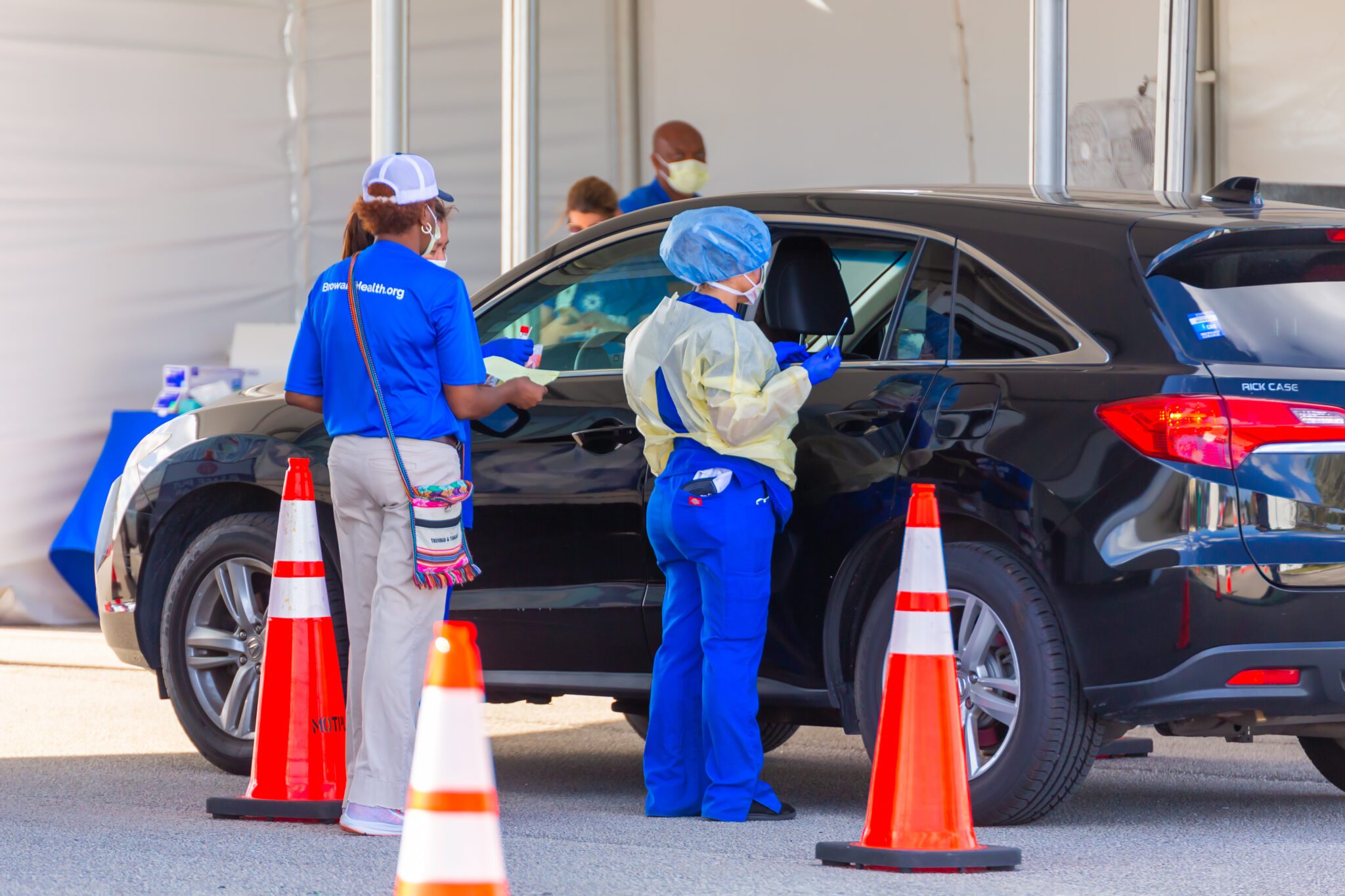

COVID-19 didn’t just change the world; it exposed the brutal truth about cities’ readiness for a pandemic. Instead of the promised help, many were forced to face chaos and despair. Overwhelmed hospitals couldn’t handle the flood of patients, and intensive care units turned into battle zones. The pandemic era is not a story of numbers, but of the tragic fates of people: those who gasped for air while waiting for a CT scan, who waited weeks for an oxygen concentrator, and who lost loved ones due to a lack of ICU beds or other tragic circumstances. Read more at i-dallas.
A Sobering Look at the Numbers
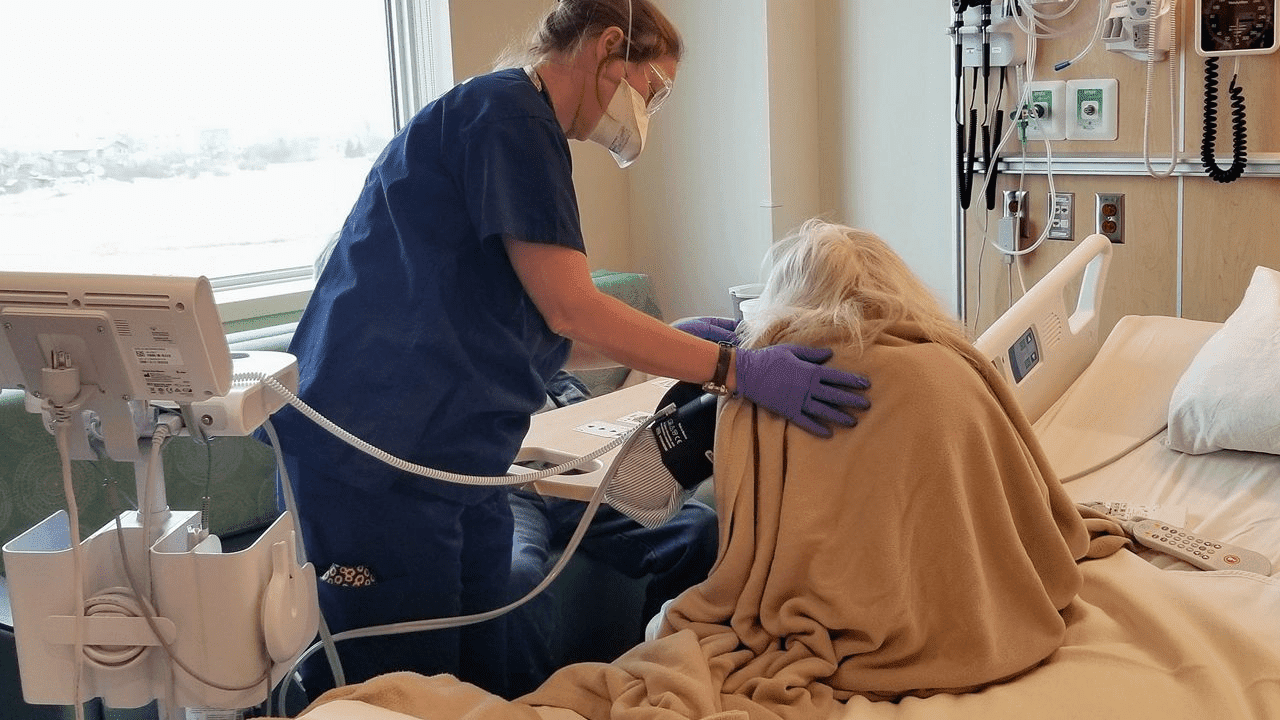
The coronavirus pandemic swept mercilessly across the globe, leaving deep scars on society. Dallas, as one of Texas’s largest cities, was no exception, and its residents suffered greatly. Instead of an abstract threat, Dallas residents experienced the pandemic through the lens of personal loss, restrictions, and fear. The statistics, though they may seem cold, reflect the scale of human suffering that the local healthcare system faced.
From the beginning of the pandemic through the end of 2021, Dallas County recorded over 613,000 confirmed cases of COVID-19, indicating the virus’s extremely wide circulation among the population. This number is a testament to how quickly and relentlessly the infection spread through households, changing the daily lives of millions. Equally tragic is the mortality rate: more than 6,200 Dallas County residents died from complications caused by the coronavirus. Behind each of these figures lies a human story, a broken family, and an irreplaceable loss.
The spikes in infection rates, particularly during waves caused by new variants, placed a colossal burden on hospitals. This forced medical staff to work at their breaking point.
Hospitalization became another critical indicator of the situation’s severity. Although daily numbers of hospitalized patients fluctuated, it was clear that thousands required intensive care and oxygen support. Overwhelmed ICUs, shortages of beds, and a lack of medical equipment became a grim reality for many residents. This burden was especially acute at the beginning of the pandemic when the city was just learning to cope with an unknown enemy. Everyone admitted to the hospital with COVID-19 faced uncertainty and fear, while their families endured a living hell, anxiously waiting for updates.
The Tragic Story of Analece Long
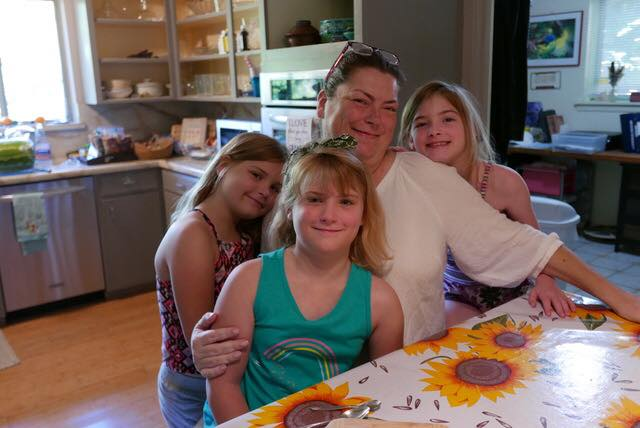
Beyond the cold statistics, COVID-19 left behind countless personal dramas. One of these is the tragic story of Analece Long, a 47-year-old Dallas resident and mother of triplets. Her life was brutally cut short after an exhausting battle with the virus. Her case became a piercing reminder of the infection’s unpredictability, which not only claimed lives but also destroyed families, leaving behind unspeakable pain and emptiness.
Analece fell ill in April 2020. As the virus rapidly attacked her body, she was immediately hospitalized. For a long time, she was on a ventilator, fighting for every breath. Although there were moments when her condition seemed to improve, raising hopes for recovery, the insidious disease would strike again. One of these setbacks proved fatal. Complications, including kidney and liver failure, became insurmountable. The ordeal exhausted her strength. On June 25, 2020, Analece Long passed away. Her death was another testament to how cunning and merciless the disease is, claiming lives despite timely treatment and the best efforts of doctors.
The Dallas community did not remain indifferent to the Long family’s grief. The family received tremendous support and sympathy. A special fundraising campaign was launched by residents on the GoFundMe platform to provide financial assistance for Analece’s daughters’ future.
One of the Youngest Victims: The Story of Jamillah Barber
Among the many tragic stories of the COVID-19 pandemic, the case of Jamillah Barber stands out. She was only seventeen years old when she became the youngest victim of the deadly virus in Dallas County. Her death is a poignant reminder that age offers no guarantee of protection from this treacherous disease, which strikes the old and the young alike.
Jamillah was a high school student preparing for her senior year at Lancaster High School. She embodied the spirit of an active and driven young person with a bright future ahead of her. Her friends, teachers, and school administrators remembered Jamillah as an exceptionally kind, dedicated, and high-achieving student. She was active in the Reserve Officers’ Training Corps (ROTC), where she demonstrated leadership and discipline. Furthermore, her membership in the National Honor Society was a testament to her outstanding academic achievements and pursuit of excellence. Her potential was limitless, and her plans were ambitious. But all of it was cruelly interrupted by the pandemic.
The news of her sudden death stunned not only her family and friends but the entire community. Health officials had repeatedly noted that individuals under nineteen accounted for only a small percentage of total registered coronavirus cases. That’s why Jamillah’s case was so shocking: she died in a hospital emergency room before she could even be admitted for comprehensive inpatient treatment. Health officials noted that, unexpectedly, Jamillah had no known chronic health conditions or other underlying issues that typically increase the risk of severe COVID-19. This fact only intensified the sense of injustice and helplessness in the face of a virus that claimed the life of a healthy young girl.
How Life in Dallas Changed After the Pandemic
The COVID-19 pandemic hit Dallas with devastating force and left long-lasting consequences. For thousands of families, it meant recovering from personal tragedies measured in lost lives and shattered plans. After the peak of the crisis, the city faced the need not just to rebuild but to adapt to a new reality that demanded a rethinking of work, business, and public life.
The pandemic brought significant structural changes that are expected to be permanent. Around 30 percent of companies projected a permanent increase in remote work and the active use of technology compared to pre-pandemic levels. A significant reduction in business travel and a decreased need for office space were also anticipated. These shifts have influenced where people want to live and work, as well as the nature of daily commutes. The popularity of suburban living and larger homes grew, partly driven by low interest rates and a desire to escape the high density of urban centers. The share of remote workers surged at the start of the pandemic, and the effectiveness of this work model surprised many, thanks to the availability of remote collaboration platforms. This, in turn, led to an increase in office vacancy rates in major Texas cities, including Dallas.
Sources:
- https://www.nbcdfw.com/news/coronavirus/dallas-mother-of-3-dies-after-complications-following-covid-19-battle/2399361/
- https://www.nbcdfw.com/news/coronavirus/17-year-old-lancaster-girl-becomes-dallas-countys-youngest-victim-to-die-from-covid-19/2359847/
- https://www.dallasfed.org/research/swe/2021/swe2101/swe2101b