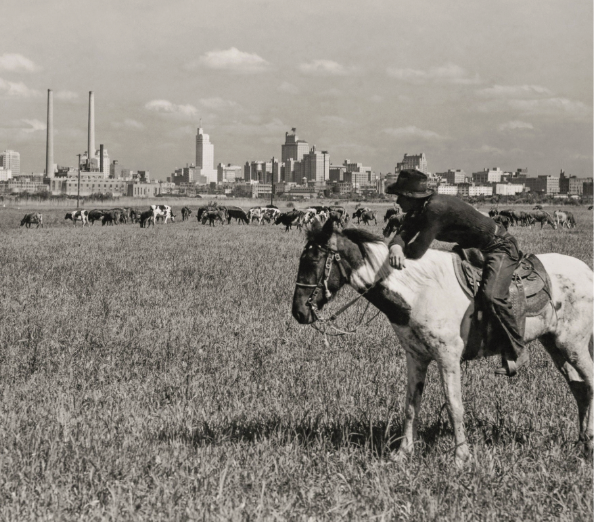

When people hear the word “Dallas,” their imagination usually conjures up a set of classic stereotypes. Visions of endless prairies and a scorching sun immediately come to mind. Many picture horseback riders and massive oil rigs silhouetted against the horizon. This image has been cemented in the public consciousness by decades of classic Westerns. However, the modern history of the city tells a completely different story, as these old tropes hardly reflect today’s reality. Read more on i-dallas.
Today’s Dallas is a city of contrasts, where Wild West legends seamlessly intertwine with cutting-edge technology. Together, they create a unique atmosphere. To understand where fiction ends and the truth begins, we’re diving into the most popular myths surrounding this Texas gem.
What Really Lies Behind the Texas Ranch Facade?
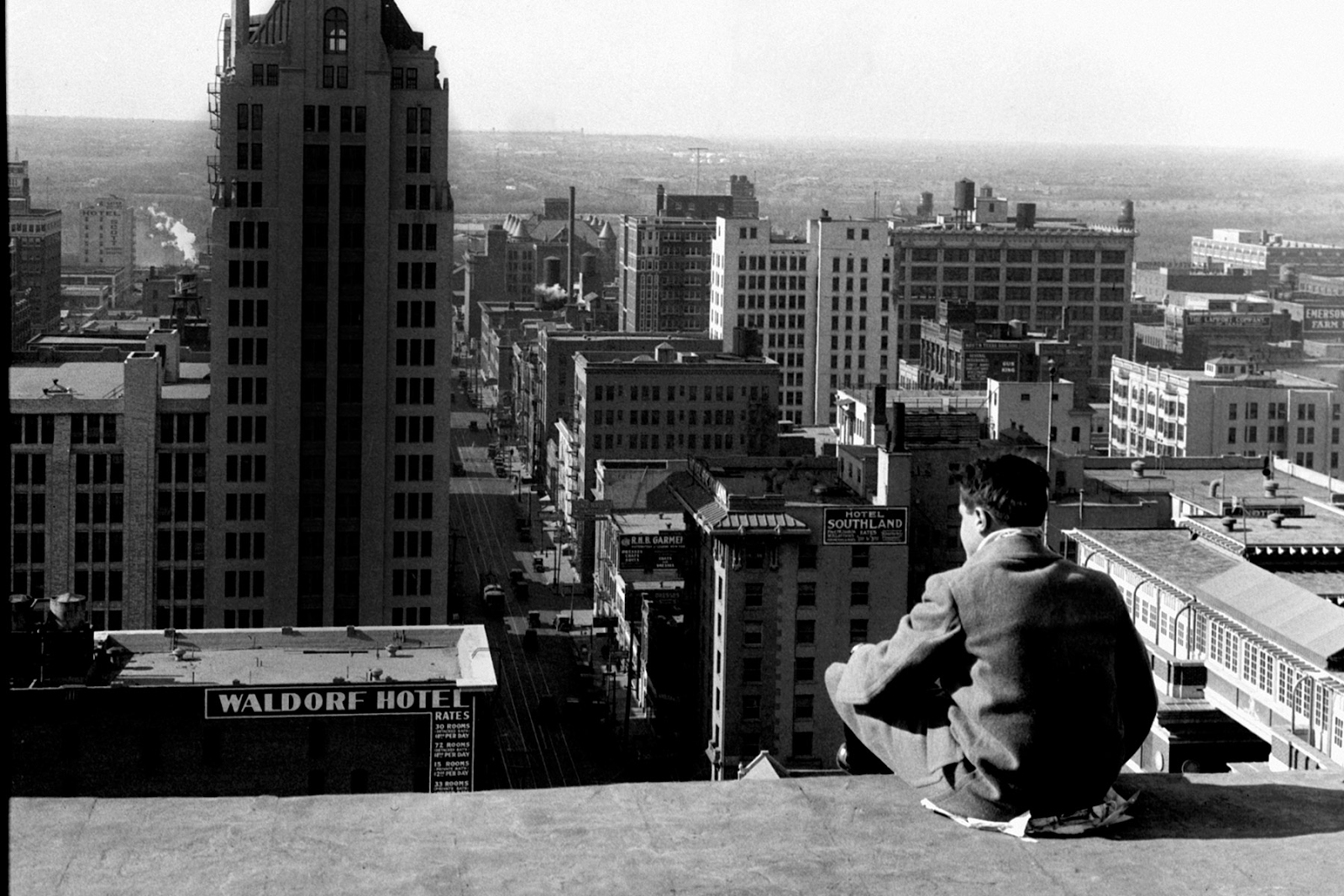
One of the most persistent myths about Dallas is that it’s strictly a hub for cowboys, horses, and farmland. Historically, Texas has indeed been home to a vast number of ranches, and cattle ranching played a pivotal role in building the region’s economy. If you visit during the annual State Fair of Texas, you will certainly see thousands of people proudly sporting cowboy boots and hats. Furthermore, the famous Stockyards in nearby Fort Worth serve as a living museum of ranching history. However, pigeonholing Dallas as nothing more than a rural aesthetic is a major misconception.
Here’s a fact many don’t realize: Dallas ranks fifth in the nation for ethnic and cultural diversity. The city has become a magnet for people from all over the world who come here to pursue education or build high-flying careers. While many plan to stay only for the duration of a degree or a contract, they often find that Dallas eventually feels like home. This melting pot of cultures has shaped the face of a modern metropolis that looks nothing like the monochromatic scenes of old Western films.
Perception vs. Reality
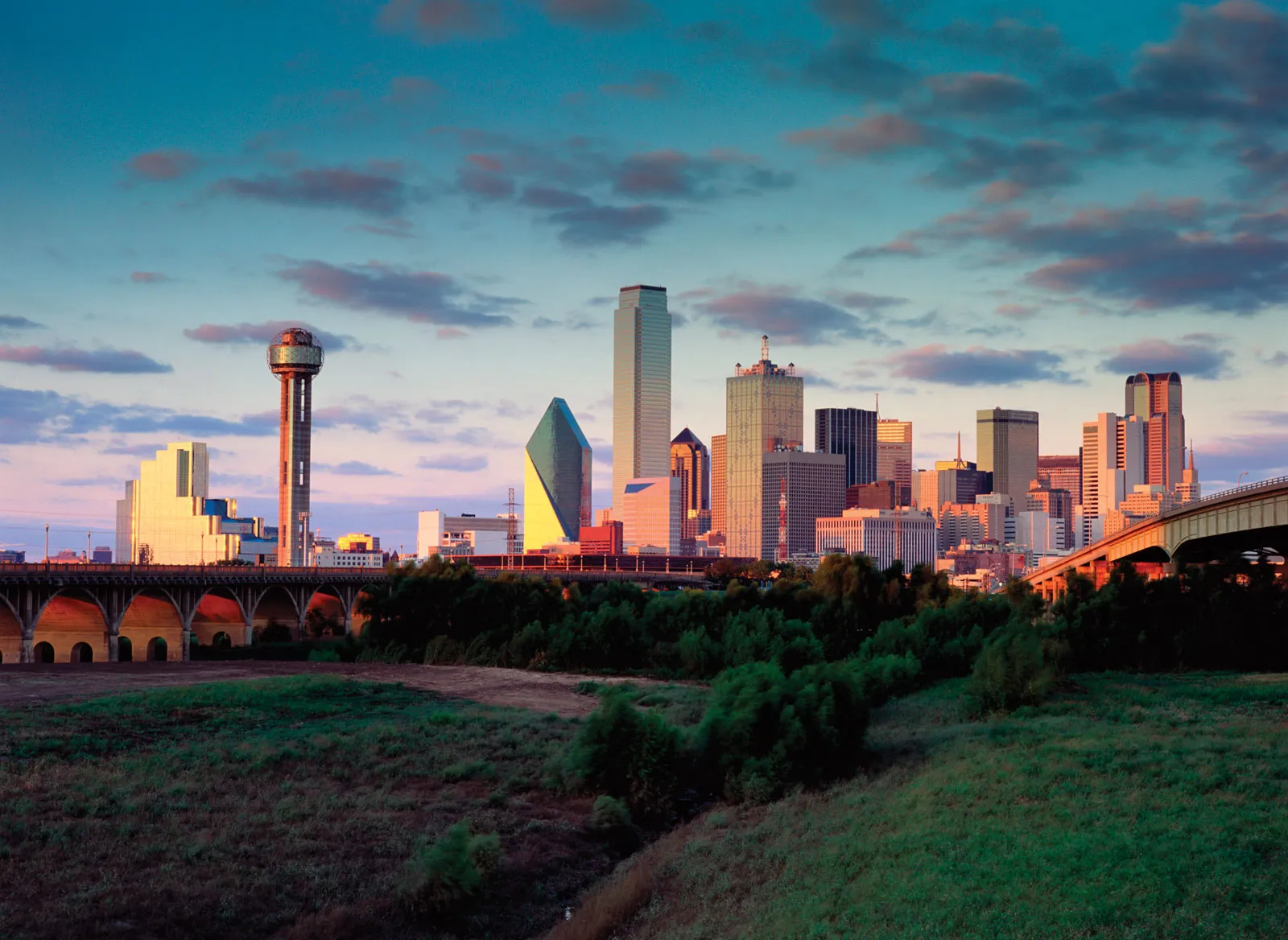
Dallas is often portrayed as an endless maze of interchanges and highways where pedestrians aren’t welcome. The stereotype suggests that you can’t survive without a car and that leisure time is limited to commuting between office parks. In reality, the city knows how to surprise. Just a few steps away from the glass skyscrapers of Downtown, you’ll find spots that don’t fit the industrial giant image at all. Take the Katy Trail, for instance—a long park route that was once a railroad line and is now a favorite destination for runners and evening strollers. This 3.5-mile path stretches from the University Park area straight into vibrant Uptown. It’s a perfect spot for a walk followed by a stop at a local bar or cafe. In these moments, Dallas feels remarkably cozy, far removed from its “concrete jungle” reputation.
Of course, the legends about transportation aren’t entirely unfounded. A car is definitely a necessity in Texas, and massive pickup trucks are a common sight. But that doesn’t mean you’re doomed to spend your life in gridlock. The city has invested heavily in the DART light rail system, which has become a reliable way to get from Downtown to the airport or the further suburbs. Many students and professionals choose the train to bypass traffic and catch up on work during their commute.
Regarding the weather, the triple-digit heat (near 40°C) isn’t a myth—it’s the reality of a Texas summer. However, Dallas is so well-adapted that you’ll rarely feel the discomfort; air conditioning is everywhere, and the infrastructure is designed with the heat in mind. The same applies to winter surprises or the threat of tornadoes. Residents take nature’s whims in stride because the city has long since mastered the art of resilience. Ultimately, the climate has simply become part of the local rhythm, where modern comfort consistently wins out over the elements.