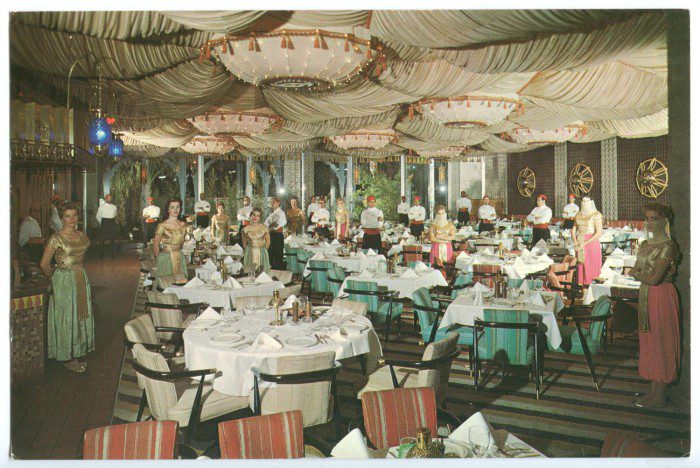

Dallas tables were never boring. The city’s culinary landscape has always impressed with its richness and sophistication, largely because Dallas was shaped by a confluence of diverse cultural and culinary traditions. This rich blend of international cuisines truly made Dallas gastronomy unique. You could find spicy Mexican and Tex-Mex delights right alongside hearty European treats. And of course, traditional American dishes were always on the menu. More on this story at i-dallas.
Dining in the 1950s and 1960s
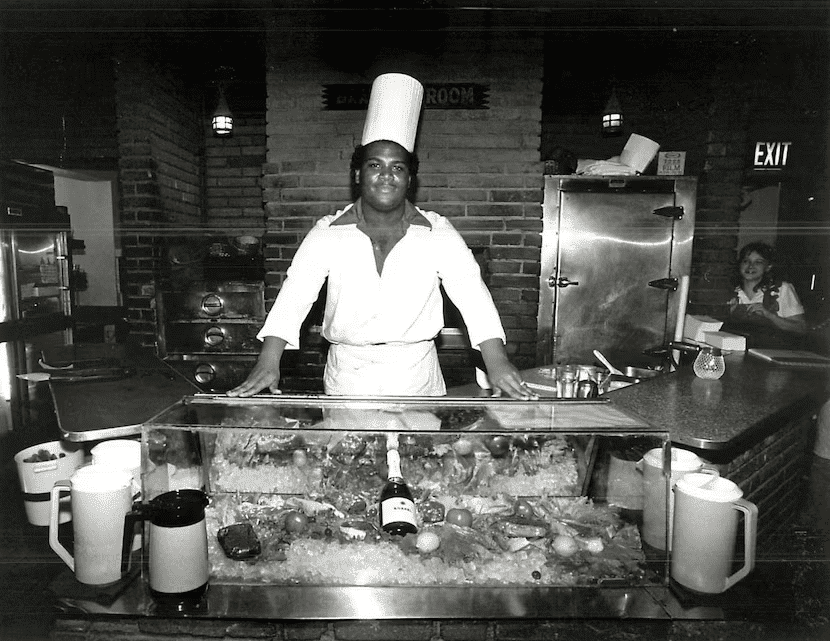
Nancy Nichols, a Dallas native, shared her memories of how affluent Dallasites dined in the 1950s in a detailed article published in D Magazine in December 2024.
According to Nichols, a renowned restaurant critic, her first upscale dinner was at the Dallas Country Club in 1958. She was just six years old and went with her grandfather. Nichols recalls savoring rare roast beef, while her grandfather enjoyed a dry gin martini with four olives. For little Nancy, dessert replaced vegetables as her side dish.
Nichols also fondly remembers other favorite spots from that era: Ports O’ Call, The Safari Club, and especially La Tunisia. It was at La Tunisia that her grandfather introduced her to the doorman, who always greeted Nancy by name. For us today, this highlights the personal touch and sophistication extended to patrons back then.
In her college years, Nancy discovered a different side of Dallas’s culinary scene, far removed from her childhood experiences. On Sunday mornings, slightly worn out from weekend parties, she and her friends would often head to Herrera’s. This was a small but incredibly popular Tex-Mex spot on Maple Avenue where they’d queue up for fresh flour tortillas.
Thanks to the Martinez (El Fenix) and Cuellar (El Chico) families, Dallas was never short on Tex-Mex. Hearty plates of chicken fried steak and classic home-style cooking were readily available at places like Celebration, Norma’s, Gennie’s Bishop Grill, and Mecca. Other popular eateries included Youngblood’s Fried Chicken, Henderson’s Chicken, Peggy’s Beef Bar, Sonny Bryan’s, and Campisi’s Egyptian. A version of tortilla soup was already around thanks to Mario Leal’s Chiquita, and the best chicken and dumplings could be found at Vern’s Kitchen, a soul food spot opened by Suvern Freeman Simmons in the 1960s.
It’s safe to say that all the restaurants Nancy Nichols mentioned significantly influenced Dallas’s modern gastronomic profile.
The Place of European Cuisine on Dallas Tables
As Dallas boomed in the 1970s, rapidly growing into a city of over a million residents, it experienced a true culinary explosion. The city’s craving for luxury and sophistication demanded a corresponding gastronomic experience, and European, particularly French, cuisine found itself at the heart of this transformation.
During this period, top European chefs, especially from France, flocked to Dallas. They brought not only their culinary skills but also a crucial resource: Larousse Gastronomique, their go-to guide for exquisite cooking.
The best European restaurants of those years were considered to be Chablis, Chateaubriand, Ewald’s, Marcel’s, Mr. Peppe, Old Warsaw, Patry’s, The Pyramid Room, and The French Room. However, getting into these establishments required not only reservations but also a strict dress code—a jacket was mandatory.
The buzz around European restaurants was so intense that while kids at home might be eating tuna casserole, parents were willing to pay what felt like a mortgage payment to savor coq au vin, steak tartare, fried frog legs, escargot, calamari, and even rabbit.
The Pinnacle of Culinary Art: Danielle Custer’s Dishes
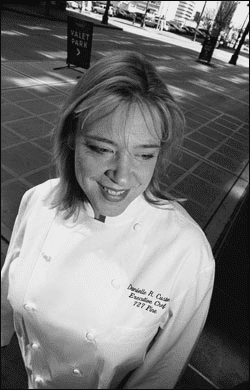
In 1998, Danielle Custer, the chef at Laurels Executive, gained significant popularity in Dallas. She left her executive chef position at Fuller’s in Seattle, where she had worked for seven years, and moved to North Texas. Here, she took on the challenging task of captivating Dallas residents with her unique style of global cuisine, blending culinary preferences from Africa, Asia, North America, and South America.
Danielle Custer’s culinary experiments were astonishing. She fried celery leaves, smoked onions, and marinated grapes. The chef also combined licorice with lamb, and shrimp with pomegranate and walnut puree. She even created a special Asian-inspired Napoleon appetizer cake.
Initially, it seemed these dishes might not take off in Dallas. Danielle Custer admitted it wasn’t easy. She felt like she was “fighting to do what I wanted to do.” In Seattle, she said, it was much simpler. Custer noticed how many clients stopped coming when she started offering her unconventional style. This saddened her and made her wonder if Dallas simply wasn’t ready for her cuisine, or if she wasn’t needed there at all.
However, over time, the situation changed dramatically—Danielle Custer’s cuisine became almost a beloved favorite among Dallasites. New visitors to Dallas began to embrace her menu with enthusiasm. The restaurant underwent a complete refresh, adding a cigar room, changing the menu, and offering a new wine list. After this, Danielle admitted that she had initially underestimated local gourmets.
A Fresh Take on Familiar Flavors
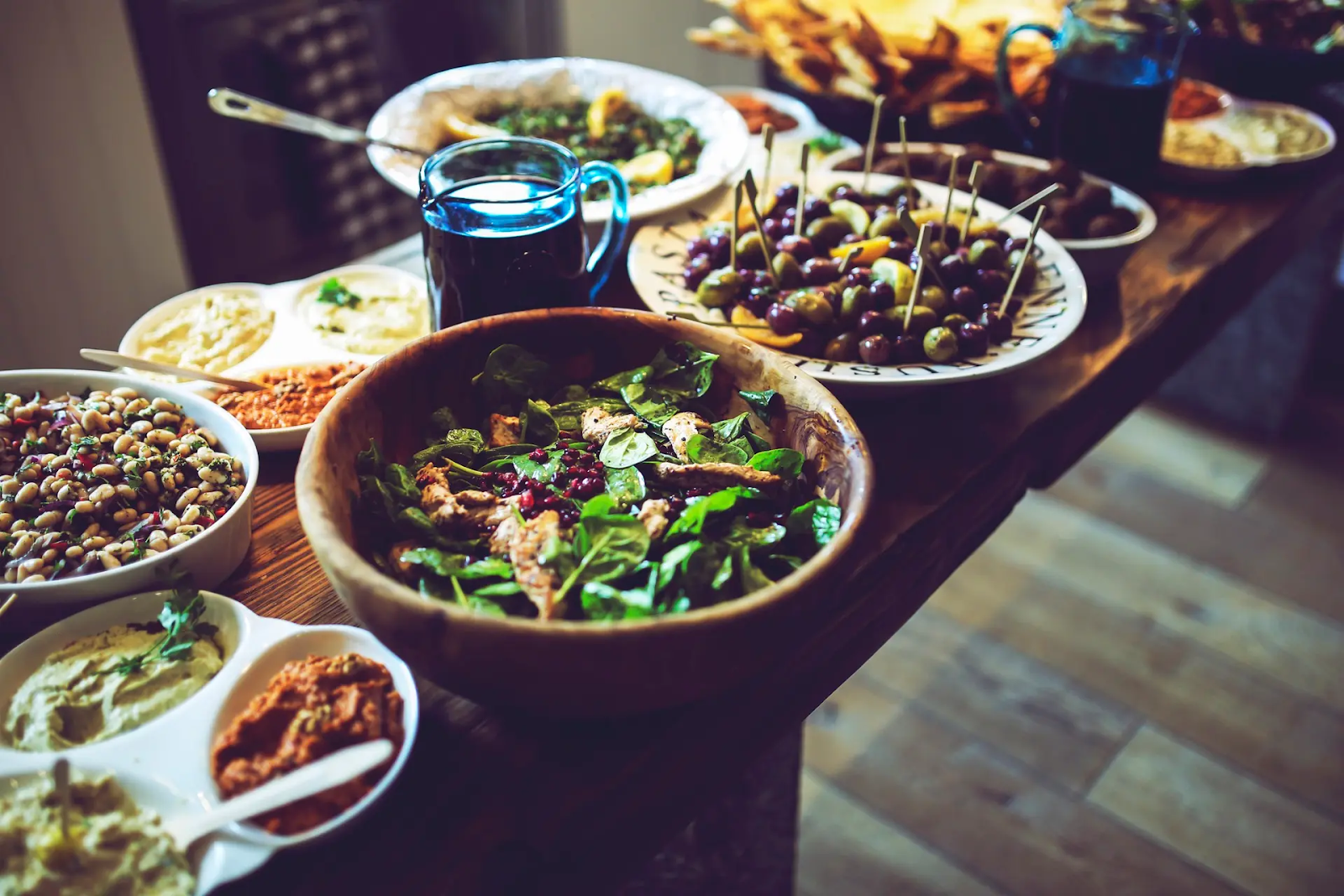
Over time, Dallas’s already rich gastronomic landscape, influenced by various cultures, began to absorb new dining styles even more actively. If in the 1950s elaborate roast beef dinners were considered the height of culinary experience, and in the 1970s French cuisine captured the hearts of local gourmands, then at the turn of the millennium, Dallas began to re-evaluate its culinary priorities. That’s when the concept of focusing on fresh, local ingredients emerged. This movement, known as farm-to-table, became not just a trendy phenomenon but a reflection of residents’ increased awareness about food sources, quality, and sustainability.
Dallas restaurants began actively partnering with local farmers, prioritizing seasonal vegetables, fruits, and locally raised meats. This not only supported the regional economy but also ensured diners received dishes made with the freshest, highest-quality ingredients.
Leaders in this burgeoning movement in Dallas included establishments like Oddfellows in the Bishop Arts district. They actively championed the use of local produce, creating menus that shifted with the seasons and ingredient availability. Locals began to appreciate this approach, as it guaranteed freshness, flavor, and support for local producers. This was a stark contrast to the earlier notion of luxury associated with exotic, imported products. Instead, the true luxury became the simplicity and purity of taste achieved through high-quality local ingredients.