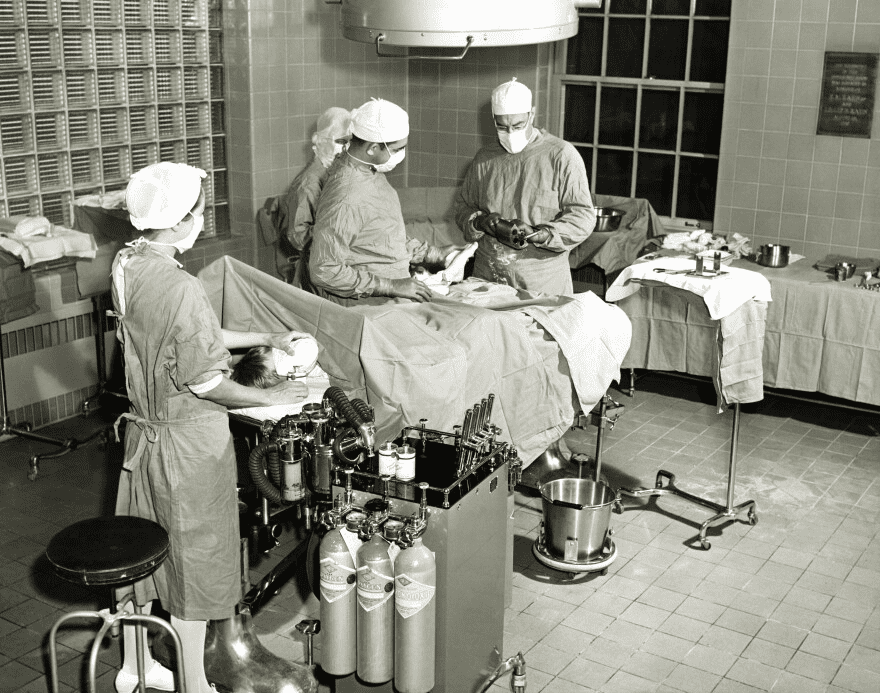

As in other American cities, most doctors in Dallas were followers of Benjamin Rush, who believed that all diseases were due to high blood pressure in the capillaries. The only remedy was bloodletting. In addition, he used wine vinegar, mercury and cold baths in his medical practice. In the late 19th and early 20th century, the state of medicine was investigated by doctor John Fordtran, more detailed is told on the page of National Library of Medicine. More at i-dallas.
In general, the problem of ignorance of doctors was quite widespread. In Dallas, you could just say you are a doctor and register with a health officer and you were allowed to practice medicine. No degree and diplomas were needed. There were cases when people became doctors being less educated than their patients.
State of hospitals
Dallas had a City Hospital which originally was on Columbia and South Lamar Streets. It was built in 1874, when the city government allocated funds for the construction of a hospital to take care of low-income patients. The increase of population in the city and several outbreaks of infectious diseases led to overcrowding in the hospital in 1887. The new hospital was moved to the corner of Oak Lawn and Maple Avenue. It was the predecessor of Parkland Memorial Hospital.
It was a one-room apartment with an attached kitchen and bath. All men, women and children were in one ward that was designed for 18 persons, regardless of disease. Surgery was done right in the middle of the ward. This building was wooden and in terrible condition. It stood in water when it rained.
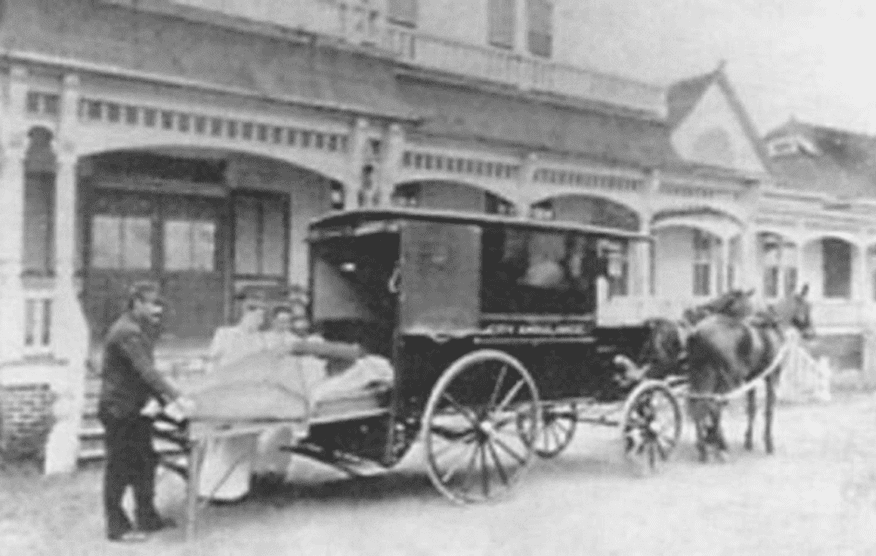
The construction of a new brick main building and eastern wing of Parkland Hospital began in 1913, and was completed on February 1, 1914. Its capacity was 100 beds. Much better conditions for patients were created that contributed to their recovery. The оld framed hospital was used for quarantine, while in 1918 it was not destroyed by a fire.
Houses for the infected patients
There were also special establishments for patients that were affected by dangerous infectious diseases, for example, tuberculosis, cholera, pox or typhus. As a rule, they were located on the outskirts of the city. There were cemeteries near such establishments, where dead patients were buried at once.
There were two such houses in Dallas: one on Main Street and another on Good Street. Any time a person was found with a contagious illness, the whole family would be forced to move into these houses, until it turned out they were healthy. There was absolutely no medical care in the pest houses.
Medical education
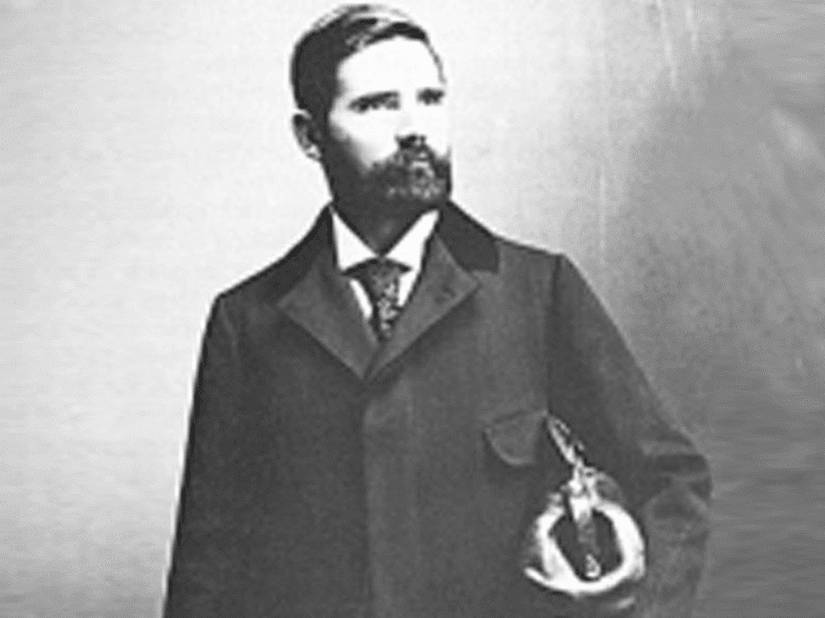
In 1889, Charles M.Rosser arrived in Dallas to develop a medical sphere in the city. He made an announcement in a newspaper requesting other doctors of the city to participate in the establishment of a medical college. Оn August 16, 1900, only seven people expressed their approval at the meeting in favor of the medical college, but 47 showed up in staunch opposition. We couldn’t find any explanation of why they were against it. Maybe they were afraid of the creation of undesirable competition or worried about the quality of education in this establishment.
The opening of college occurred on November 19, 1900. There were a lot of people wishing to study medicine in the first year. Then it was necessary to solve the problem with searching for dead bodies. Together with his students, Charles M. Rosser went outside at night and was looking for dead homeless people that were used in practical classes. It was harder to find living patients that would be shown to the students, in fact, people were hostilely opposed to the medical college of the hospital. For this purpose, Rosser opened a private hospital on Junius Street.