
Skateboarding in Dallas has traveled a long road, evolving from an outlawed pastime for urban rebels into an officially recognized Olympic sport. The rise of the Texas skate scene is a story of reclaiming urban spaces, battling extreme heat, and forging a distinct North Texas cultural identity. Dive into the history of how this youth subculture took over the streets of Dallas on i-dallas.com.
The 1970s–1980s Underground and the Cult of Ditch Skating
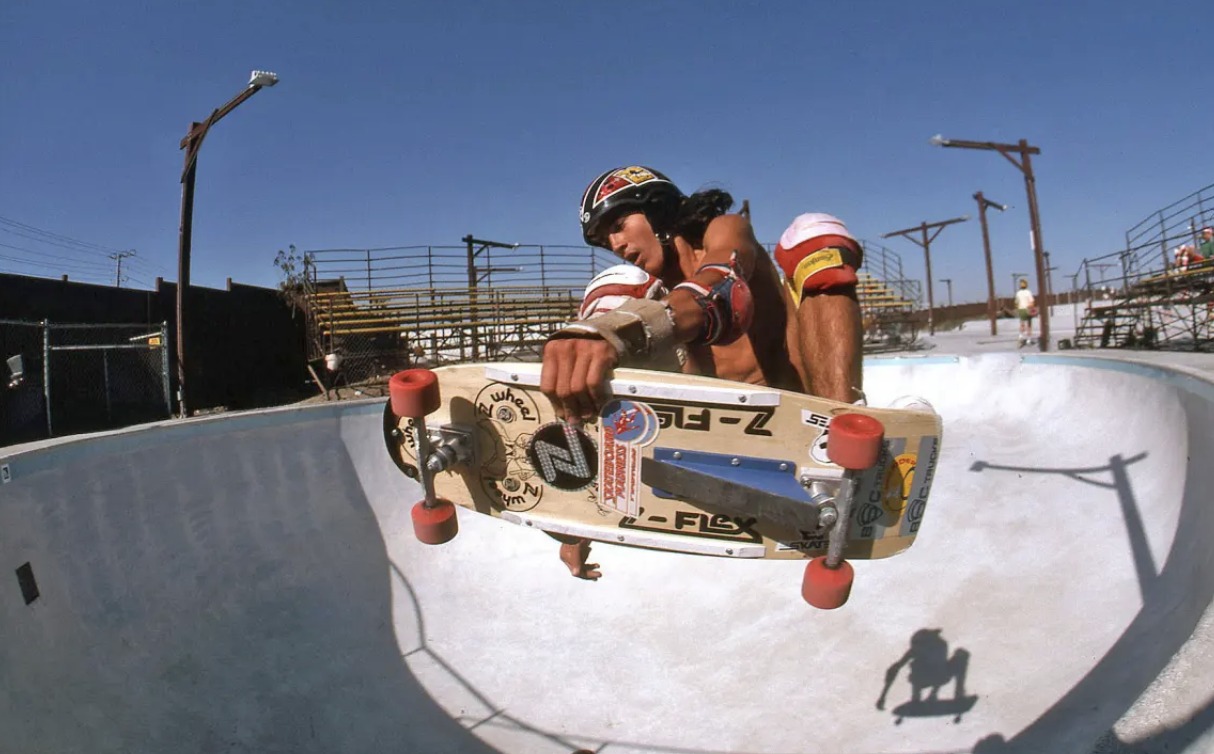
Throughout the 1970s and 1980s, city officials couldn’t fathom skateboarding as legitimate recreation. Left to their own devices, the first wave of Dallas skaters had to carve out their own territory across a sun-scorched metropolis. Without a single skatepark in sight, riders turned abandoned backyard pools and dry concrete drainage ditches crisscrossing the sprawling suburbs into their proving grounds.
- The Era of Ditch Skating. Scorching weather and Texas civil engineering created an accidental playground: miles of sloped concrete runoff channels served as natural ramps. Spots like Clown Ditch and the White Rock Spillway became legendary underground arenas. Under the blistering sun, they forged a distinct Texas style: fast, aggressive, and unapologetic.
- DIY Culture and Homemade Chaos. Neglect from City Hall sparked a fiercely independent spirit. Skaters built wooden ramps in backyards and eventually took over abandoned warehouses and rundown hangars across industrial Deep Ellum. The era’s defining landmark was the legendary Clown-Concert ramp, which fused raw skate sessions with live shows by local hardcore punk bands.
- Skate Shops as Subculture Hubs. Long before the internet and social media, the first independent skate shops served as cultural beacons—most notably the iconic Point X, followed by Guapo. Far more than retail spots selling decks and bearings, they acted as community headquarters. Skaters gathered here to trade beat-up VHS tapes of the latest California videos, share word of new spots, and build the foundation of the local scene.
Those formative years in the grueling Texas heat proved one thing: skateboarding in Dallas didn’t emerge with city support, but in spite of municipal indifference. That explosive mix of DIY grit, punk rock, and concrete drainage ditches laid the rebellious foundation that eventually turned a fringe subculture into a powerhouse movement.
The 1990s Street Boom: Downtown Dallas as a Concrete Proving Ground
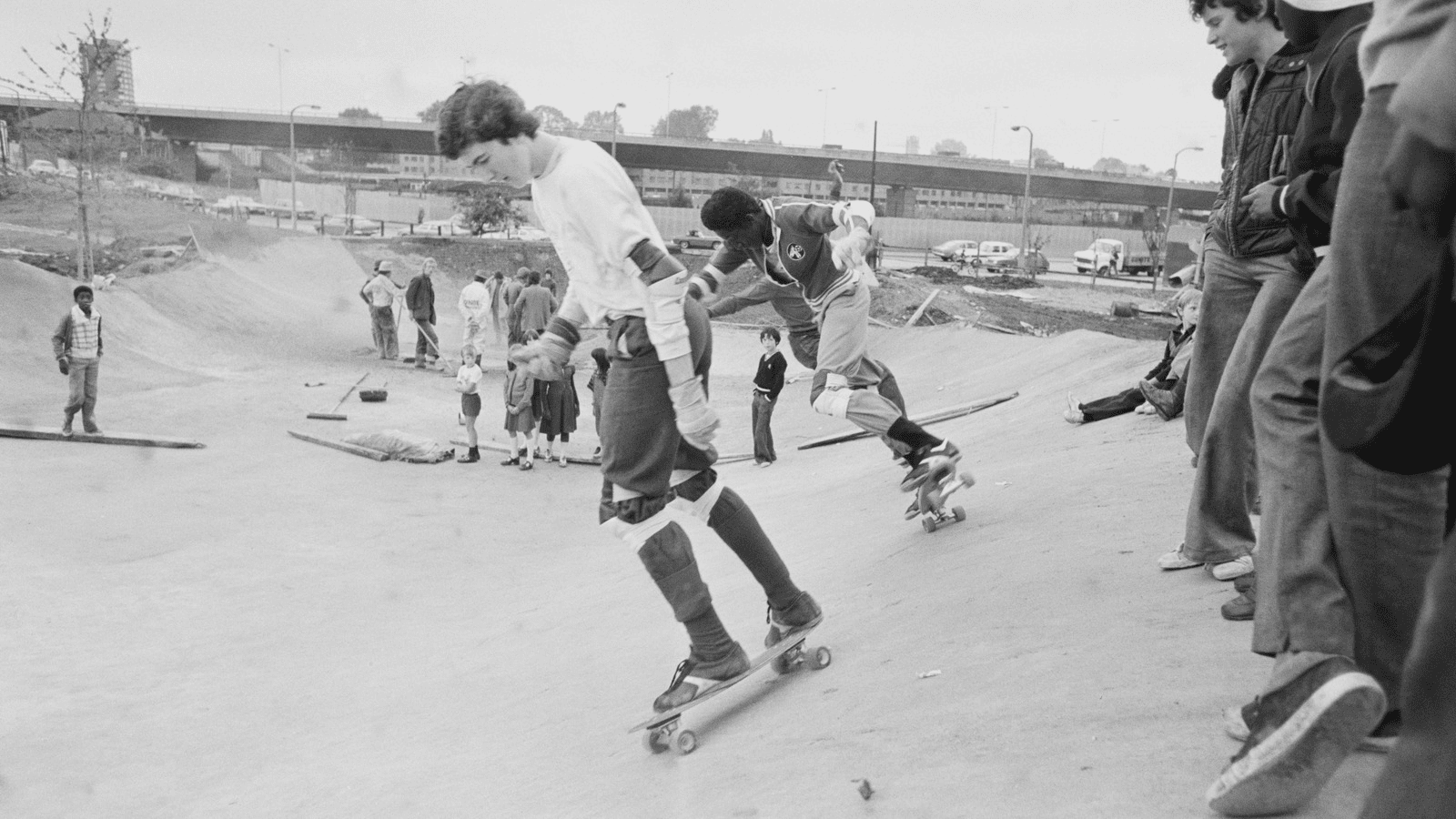
By the early 1990s, Dallas skateboarding had broken out of suburban backyards and drainage canals, heading straight for the heart of the city: Downtown Dallas. The previous decade’s architectural boom had unintentionally left behind a street skater’s paradise. Polished granite, smooth marble plazas, multi-tiered stair sets, and crisp skyscraper ledges turned the downtown core into one of the premier street destinations in the American Southwest.
Spot Wars and Anti-Skate Architecture
- Ground Zero. The massive plaza at City Hall Plaza and the towering Bank of America Plaza became meccas for local street skaters. But the surge of riders brought an immediate, heavy-handed backlash from city officials and corporate security teams.
- An Era of Hostile Architecture. The 1990s ushered in a wave of anti-skate design. Metal skate stops popped up on every marble ledge and granite curb, while security patrols stepped up downtown. For skaters, sessions frequently ended in citations, confiscated boards, and high-speed nighttime chases with the police.
The Rise of the Gritty “Texas Street” Style
- Adapting to Raw Terrain. Intense crackdowns and unforgiving infrastructure—coarse, sun-baked asphalt and rough-textured concrete—pushed riders to build a signature, instantly recognizable style. Texas Street was defined by high speed, massive pop, and an absolute disregard for rugged, imperfect pavement.
- Making Waves Worldwide. The scene’s relentless drive earned the respect of the global skate media. Spread features and cover shots from Downtown Dallas began regularly hitting the pages of legendary magazines like Thrasher and TransWorld Skateboarding, putting Texas on the global street skating map for good.
From Criminalization to City Support: The Modern Skatepark Era
A fundamental turning point arrived in the early 2000s. After decades of ticketing, barriers, and endless clashes across Downtown, Dallas city officials came to a pragmatic realization: skateboarding wasn’t going away. Instead of trying to ban it, the smart move was to weave it into the urban fabric, turning a rebellious youth pastime into a safe, sanctioned, and creative asset for the city.
Infrastructure Breakthroughs and Street Legalization
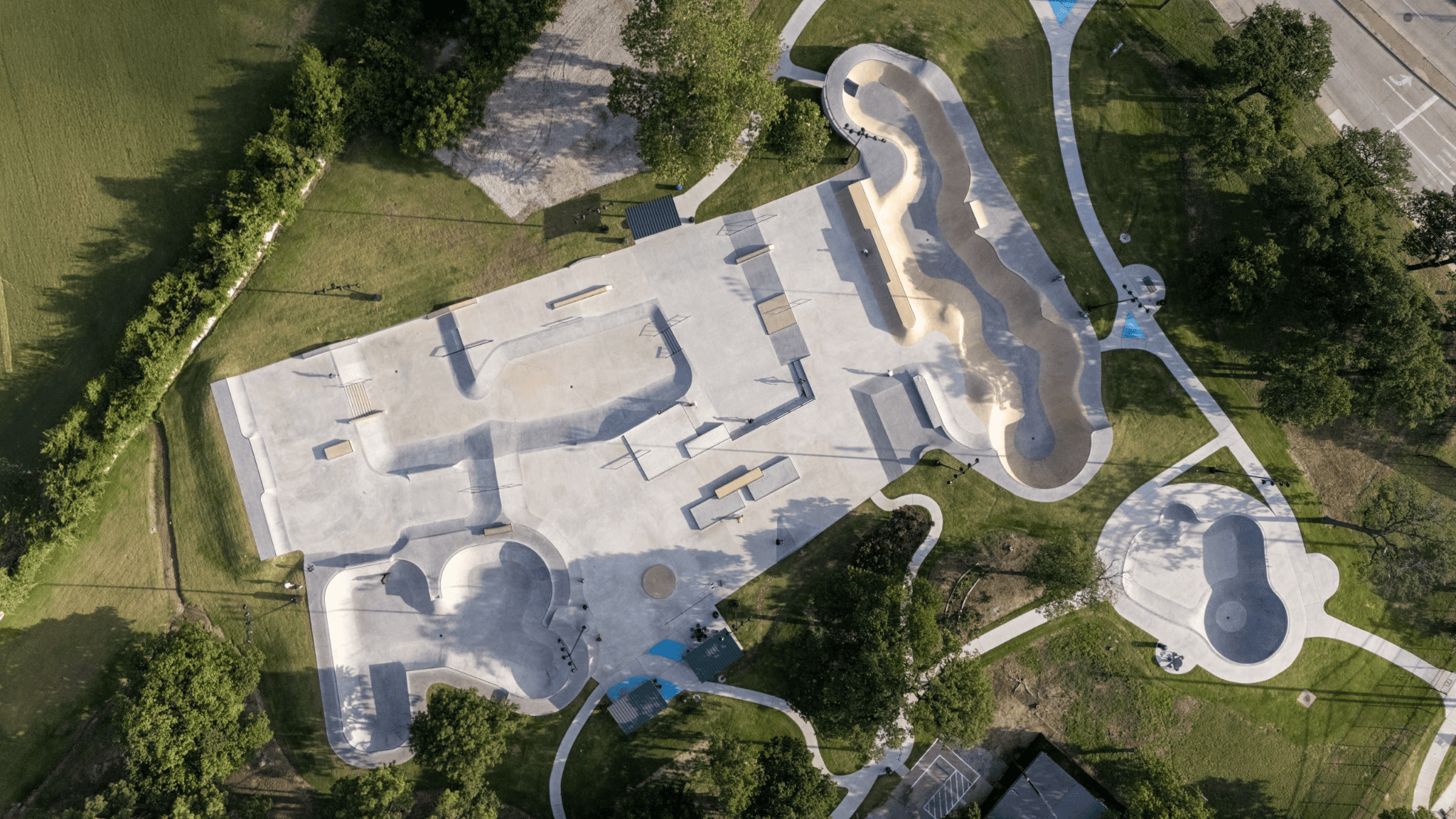
- Lakeland Hills Skatepark. This development marked the city’s first major step toward embracing riders. The park struck a balance by pairing professional concrete bowls—a nod to the sport’s pool-riding heritage—with modern street features like grind boxes, granite ledges, and reinforced handrails.
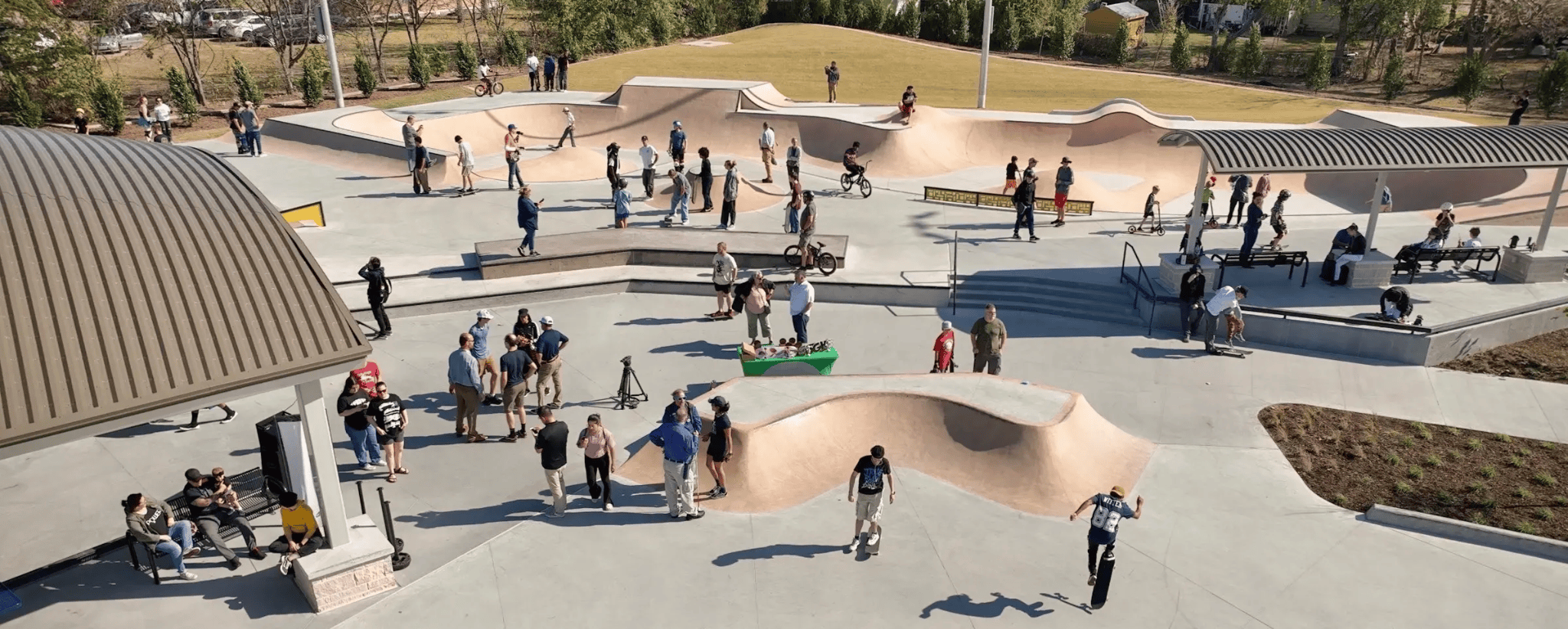
- Carpenter Park Skatepark. The debut of this premier, 70,000 sq ft facility in the heart of Carpenter Park in Downtown Dallas cemented a truce between skaters and the city. Built to world-class engineering standards right beneath towering skyscrapers, it showed that Dallas was no longer pushing skaters out of the business district, but welcoming them into premier public spaces.
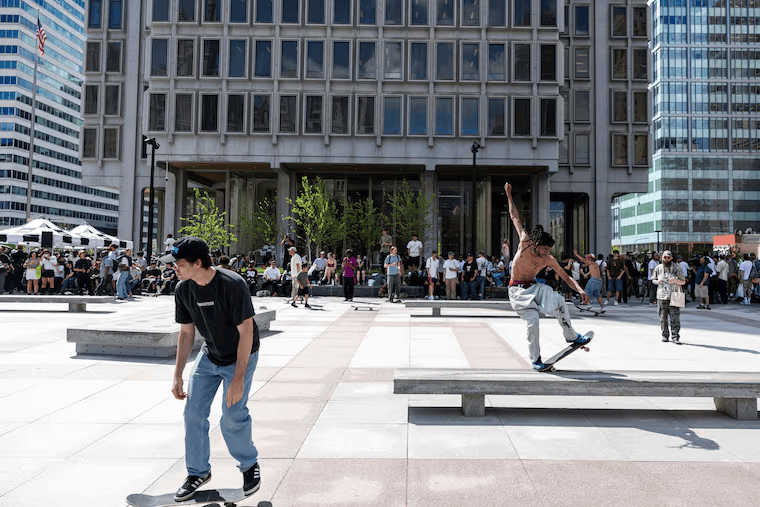
- Integrated Urban Plazas. Modern Dallas moved past the idea of isolating skaters on the outskirts of town. Today’s urban planning focuses on open, multi-functional plazas where skateboarding coexists naturally alongside pedestrian pathways, public art, and green spaces—without fear of criminalization.
Today’s Dallas exemplifies a dramatic shift in urban thinking. Skateboarding across the city has come full circle: from baking drainage canals and late-night police pursuits to multi-million-dollar municipal projects. No longer seen as a public nuisance, it has evolved into a vital part of the city’s identity, showing urban planners everywhere the value of giving youth their own place in the concrete jungle.
Stepping onto the Global Stage
Skateboarding’s debut at the Tokyo Olympics and its triumph in Paris completely reshaped the scene in Dallas. What began as raw counterculture is now an elite competitive sport. The days of scrap-wood ramps and cat-and-mouse street runs have given way to precision training schedules and biomechanical video reviews.
Historically, the biggest hurdle for year-round training in North Texas was the brutal summer heat, with temperatures regularly soaring past 100°F (40°C) and turning street concrete into a frying pan. The rise of modern indoor training facilities across the Dallas–Fort Worth metroplex solved that dilemma. Armed with heavy-duty air conditioning, custom wood surfaces, foam pits for mastering high-risk aerial maneuvers, and dedicated fitness zones, these centers let riders refine their craft safely 365 days a year.
This leap in infrastructure quickly transformed Dallas into a major national hub for developing the next generation of Olympic hopefuls. Local skaters routinely place as top contenders in national qualifiers sanctioned by USA Skateboarding, while a new wave of professional coaches expertly bridges raw, aggressive street fundamentals with cutting-edge sports medicine, nutrition, and performance psychology.
Stepping onto the global stage didn’t dilute the culture’s underground roots; it was their natural evolution. North Texas skateboarding has kept every bit of its grit and edge. The only difference? That Texas resilience, forged on sun-baked asphalt, is now winning Olympic medals and worldwide acclaim rather than just street cred at local spots.
Cultural DNA: Shaping Art, Fashion, and Music
Skateboarding in Dallas has acted as a catalyst for alternative art and streetwear across the entire region.
- The Deep Ellum Arts District. Skateboarders were among the first pioneers to revitalize the once-industrial Deep Ellum neighborhood, helping it become a thriving epicenter for graffiti, large-scale murals, and grassroots street art galleries.
- Streetwear and Local Brands. The skate scene gave rise to homegrown apparel labels and boutique retailers like Centre and 4ix, seamlessly blending classic skate aesthetics with Southern hip-hop culture.
- Musical Synergy. North Texas skateboarding has always shared a close bond with the local music scene, partnering with underground punk rock and hip-hop acts that provided the soundtracks for gritty skate videos.
Today, Dallas strikes a rare balance: keeping the DIY punk spirit of the 1980s alive while building world-class infrastructure for future Olympic champions.